


Two cars slid into a suburban parking garage outside Chicago on a winter night, but only one came surging back out, jumping a curb and smashing into parked vehicles with a driver already shot in the head. The second car slipped away into the dark, leaving a dead man, a hotel receipt, and a trail of digital breadcrumbs that still do not fully explain what happened between those concrete pillars.
TLDR
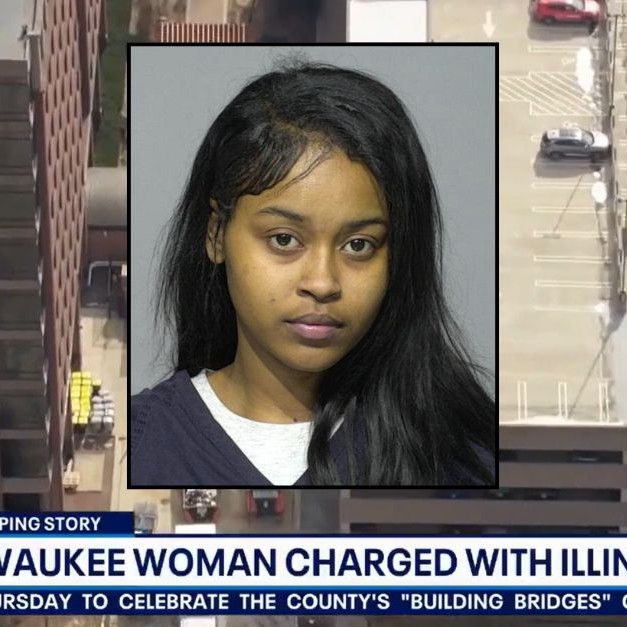
After meeting two women from Tinder near Chicago, 28-year-old Obaidulla Shareef was found shot in a crashed car, and 19-year-old Akrystal Woods is charged with first-degree murder.
The victim, 28-year-old Obaidulla Shareef, traveled to Oakbrook Terrace, a Chicago suburb, for what he believed would be a Tinder meetup on February 4th, 2026. Hours later, he was discovered dead in the driver’s seat of a crashed car near an office building, with a gunshot wound to the head and a hotel receipt inside the vehicle tying his final hours to a nearby lodging and a woman from Milwaukee.
A Nervous Swipe in a Hotel Lobby
On the day before the body was found, Shareef moved through the corridors of a hotel less like a man heading to a date and more like someone walking into a situation he did not trust. Witnesses later described him as nervous, openly mentioning that he planned to meet two women he had connected with on Tinder.
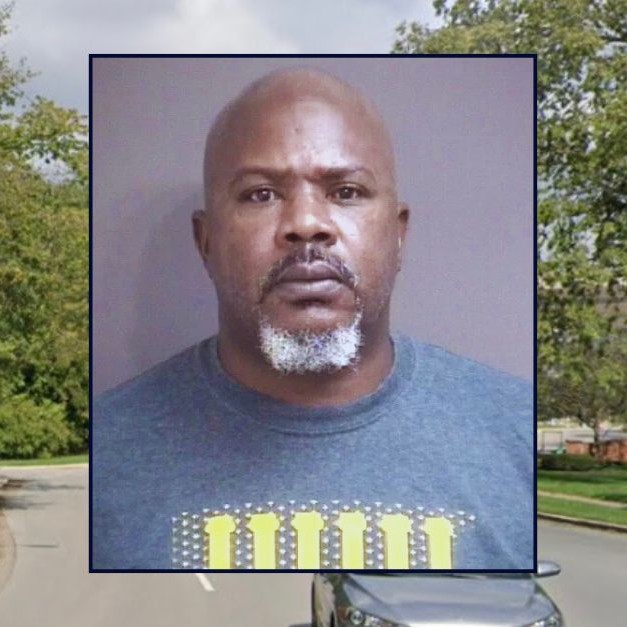
Those women soon appeared. One was identified as 19-year-old Akrystal Woods from Milwaukee. The other has not been publicly named. The encounter, set up through a dating app, shifted quickly from flirtation to accusation. Inside the hotel, Woods accused Shareef of taking $200 from her. Voices rose. The disagreement turned into a full argument.
Staff intervened. The trio, Shareef and the two women, were told to leave. They did. For a moment, it appeared that whatever tension had built in that hotel room and hallway might dissipate outside, with everyone going their separate ways.
From Argument to Parking Garage
Instead, the conflict moved from carpeted corridors to the hard angles of a parking structure a mile and a half away. Surveillance cameras and license plate readers tracked two vehicles as they left the hotel area. One car belonged to Shareef. The second carried Woods and the other woman.
Both vehicles entered a nearby parking garage. The cameras captured that simple, chilling fact: two cars in. What happens next inside that structure remains the central void in this case.
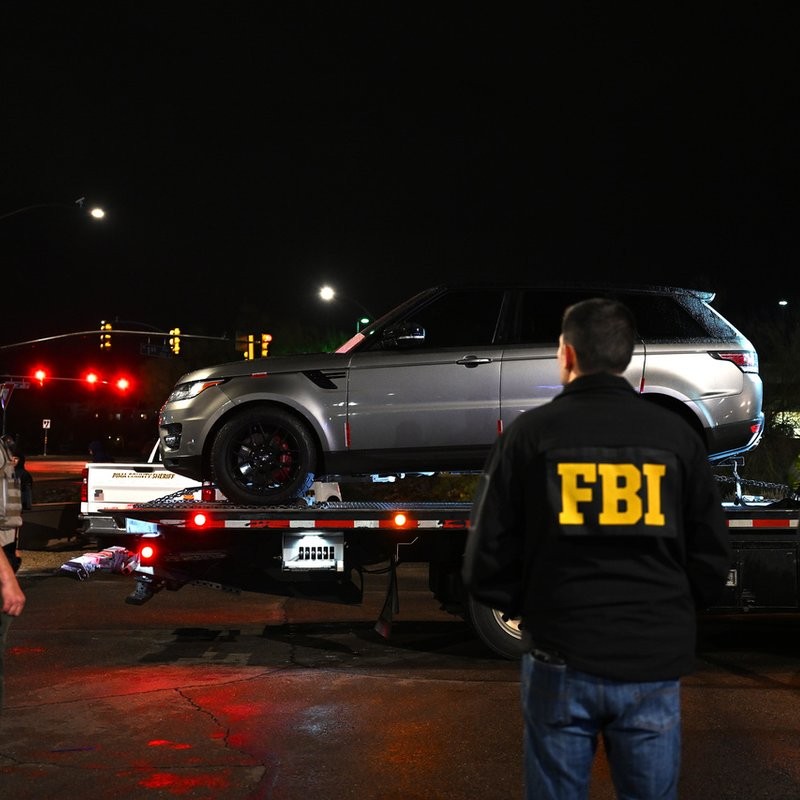
Sometime after the cars disappeared from street-level view, the vehicle with Shareef behind the wheel burst out of the garage at high speed. The car jumped a curb and struck several parked vehicles before grinding to a stop near an office building. When first responders reached it, Shareef was in the driver’s seat with a gunshot wound to the head.
No immediate description of a gunman, no fleeing suspect streaking across the frame, just the aftermath of a shot and a crash. The second vehicle, the one carrying Woods and the other woman, did not emerge in the same dramatic fashion on any publicly described footage.
Clues in a Glovebox and on a License Plate
Inside the car, investigators found a receipt from the nearby hotel. The slip of paper carried the name of a woman from Milwaukee, tying the crash scene back to the tense encounter inside the hotel. That receipt turned what could have looked like a single-vehicle wreck into something far more deliberate.
Digital systems filled in what human witnesses could not. License plate readers connected the second car to Milwaukee. Surveillance footage showed the two vehicles moving in tandem, then parting ways only after Shareef lay dead.
By February 5th, 2026, a traffic stop in Milwaukee brought the second car to a halt. Inside were Woods and an unidentified man. Both women connected to the hotel argument were from Milwaukee. The man’s role, if any, remains unclear in public records.
A Murder Charge Across State Lines
Prosecutors in DuPage County, Illinois, filed a first-degree murder charge against Woods, tying her to Shareef’s death in that Oakbrook Terrace parking area. The charge pulls a 19-year-old from one state into the courts of another, turning a cross-border hookup into a cross-border homicide case.
Woods is being held at the Milwaukee County Jail, awaiting extradition to Illinois. At her age, most defendants would still be figuring out first apartments, first serious jobs, first real independence. Instead, she sits in a jail cell while lawyers and judges argue over which jurisdiction will physically hold her as the case moves forward.
A scheduled court appearance in Milwaukee marks only the beginning. Extradition hearings, pretrial motions, and eventual trial dates will stretch the life of this case far beyond the few hours it took for a dating app match to unravel into a fatal shooting.
The Blind Spot Inside the Garage
What took place inside that parking garage during the window between entry and catastrophic exit remains the jagged center of the story. How long did Shareef sit there before a gun went off? Did he try to drive away after being shot, or did the car lurch forward because his body slumped against the controls?
There is no public account of anyone else seen inside the car at the time of the crash. There is no detailed, publicly released breakdown of ballistics, no narrative of who allegedly held the gun or where in the garage the shot rang out. A hotel argument over $200 is the last fully described moment before the scene goes dark.
The unanswered questions stack up. If this were a robbery gone wrong, what was the original plan once everyone left the hotel? Why shift to a parking garage, a place with fewer eyes but more cameras? Was the unidentified woman from the hotel still nearby when the trigger was pulled? What about the unidentified man later found with Woods in Milwaukee?
Dating Apps, Lures, and Repeat Patterns
This is not the first time a dating app encounter has turned into a trap. In another Midwestern case, a woman used Tinder to lure a hardware store clerk to his death, dismembered the body, and framed the killing as an expression of her own sexual desires before a top court shut down her latest legal challenge. The methods change, the screen names change, but the pattern is familiar: private digital invitations that lead strangers into isolated physical spaces.
That pattern complicates how to read Shareef’s final decisions. A man walks into a hotel feeling nervous about a Tinder meetup, tells someone he is meeting two women, and ends up dead less than a day later. The narrative seems obvious, until it is not. Nervousness does not explain who brought a gun, who fired it, or what each person believed would happen in that garage.
What Remains in the Silence
For now, the public story ends with fixed points: a 28-year-old man, a 19-year-old defendant, a hotel argument over $200, two cars in a garage, a single car exploding back out of it with a dead driver behind the wheel. Between those points, there is only a blur of concrete, steel, and silence.
As the case moves into courtrooms in two states, more of that silence may be forced to give way under testimony, video, and forensic detail. Until then, the gap between a nervous swipe on a phone screen and a bullet in a parking garage remains one of the most dangerous parts of this story, and it is exactly where the record is thinnest.
References
- Law & Crime: Man Nervous After Tinder Swipe Fought With a Woman at Hotel Before He Was Found Shot to Death, Police Say
- Law & Crime: ‘There Is No Merit’: Tinder Killer Who Lured Hardware Store Clerk to Her Death and Dismemberment to Satisfy Her Own ‘Sexual Desire’ Just Got Some Bad News From Top Court