

On a quiet Tucson street, a gray Range Rover sat under a tarp, gloves and unfamiliar DNA already tied to an 84-year-old woman’s disappearance, while a more basic question hung in the air: would crucial evidence spend the weekend in a shipping box instead of on a lab bench?
TLDR
As tactical teams raid a Tucson home, a retired FBI supervisor pushes for rapid DNA testing, exposing a high-stakes fight over time in the Guthrie case.
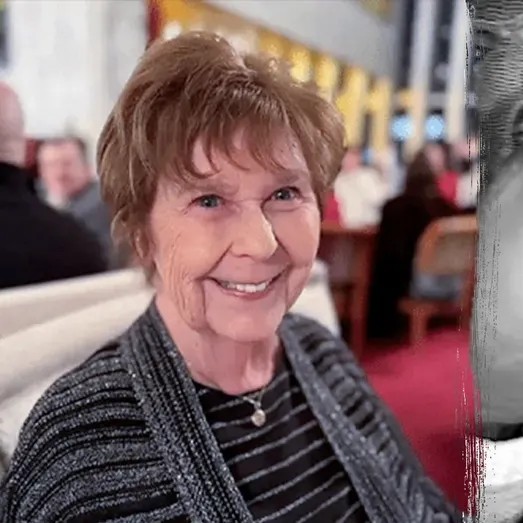
The missing woman is Nancy Guthrie, an 84-year-old resident of a suburban neighborhood outside Tucson, Arizona. She vanished from her home, leaving behind signs of intrusion, unanswered questions about ransom demands, and a trail of forensic clues that now includes unknown DNA, discarded gloves, and a luxury SUV seized less than 2 miles from her front door. At the center of the investigation sits a tense dispute over where, and how fast, the most critical evidence gets tested.
Neighborhood Under Siege
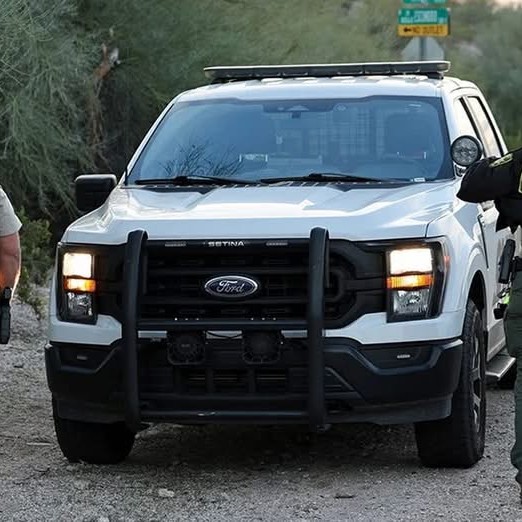
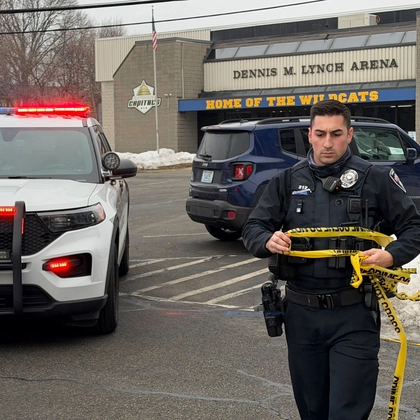
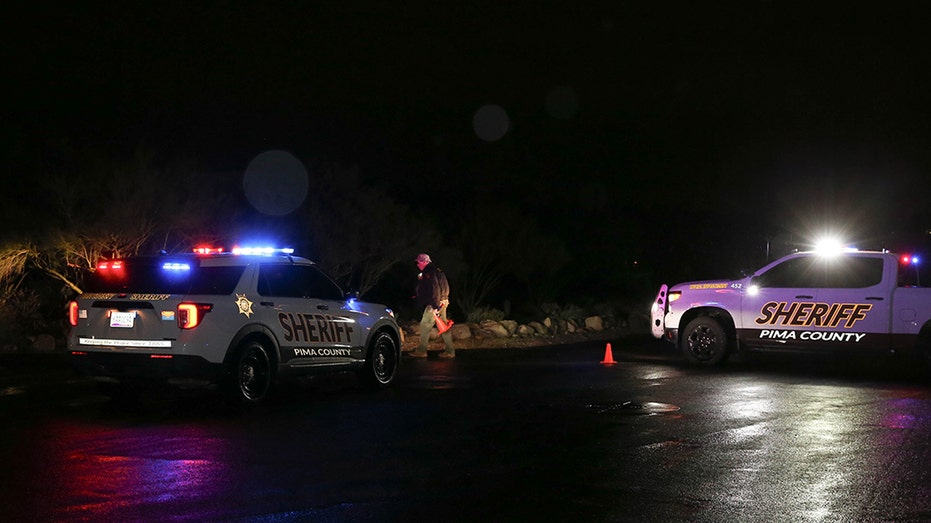
On a recent Friday night, tactical vehicles rolled into a residential area near Guthrie’s home. The Pima County SWAT team, supported by federal agents, moved on a single-story house within a short drive of the victim’s address. Neighbors watched porch lights flick on in sequence as armed officers flooded the street.
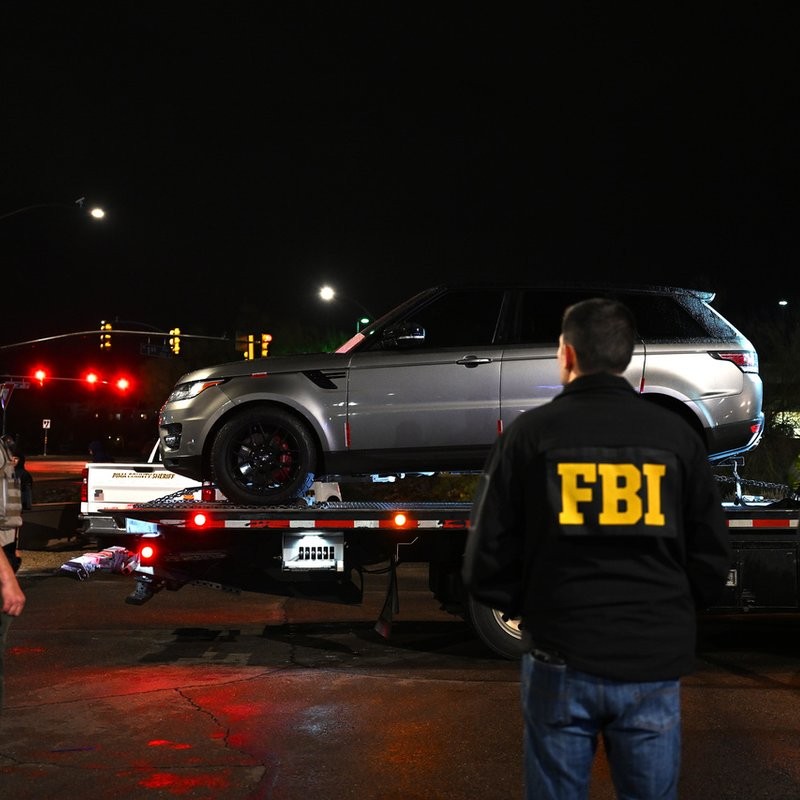
Three people were detained as the federal search warrant unfolded inside the Tucson-area home. A fourth detention followed a short distance away, after a traffic stop in a fast-food restaurant parking lot. There, agents focused on a gray Range Rover, inspecting it at the curb before a tow truck hauled it away as potential evidence.
Once the last flash of red and blue light faded, the quiet did not return. The raid marked a turning point in tempo. Teams began the slower work that follows any dramatic entry: door-to-door contact, interviews with neighbors, and a methodical attempt to reconstruct who moves where on that block, and when.
Residents living near the searched home can expect knocks at odd hours and pointed questions. Who comes and goes from the house? Which vehicles are normally parked in the driveway? Whether anyone remembers seeing that Range Rover in the days before Guthrie disappeared. For investigators, those mundane answers can anchor or shred alibis offered by the people now at the center of the case.
Evidence Piled Up, Clock Ticking
Even before the Friday raid, the evidence around Guthrie’s disappearance had grown heavier than a typical missing person file. At her property, forensic teams identified DNA that does not belong to Guthrie or anyone close to her. Gloves were recovered, an unsettling hint that someone came prepared to avoid leaving fingerprints.
The Range Rover brings a second primary location into focus. Whatever investigators found inside that vehicle prompted them to shroud it from public view. Tarping a car at a crime scene is not cosmetic. It signals that the interior may hold fibers, biological material, trace soil, or digital devices that could link a vehicle to a victim’s home, a dumping site, or a staging point.
All of that material now sits in evidence lockers, waiting for a lab’s intake queue. Each cotton swab, each glove, each surface inside the SUV carries a clock. Biological evidence can degrade. Electronic data can be wiped by remote commands. Suspects who sense movement at their doors can cross borders, change cars, or destroy clothing.
Guthrie’s age and medical condition turn that clock into something sharper. She is 84 years old, described as vulnerable, and she is without critical heart medication. Every day that passes without locating her body or a live rescue window is not just a line on a case timeline. It is a direct hit to the odds that she will be found alive at all.
Quantico or Florida
The most bitter fault line in this case does not run between suspects and law enforcement. It runs between crime labs.
Pima County leadership has defended a decision to route key Guthrie evidence to a private laboratory in Florida. The agreement predates this case and reflects a broader trend in American policing, in which agencies outsource complex DNA and genealogy work to specialized commercial labs rather than depend solely on government facilities.
Supporters of the arrangement argue that the Florida lab knows the county’s systems, has already been engaged on the evidence, and can deliver advanced forensic products that smaller public labs cannot match. Critics point to one problem that cuts through all of those advantages: distance.
Every mile between the evidence room and the analyst’s bench represents time. In past high-profile cases, federal aircraft have been used to move urgent evidence directly to the FBI Laboratory at Quantico, Virginia. The flight plan puts a box of swabs and sealed bags straight into one of the country’s most sophisticated forensic facilities, often within hours.
Retired FBI supervisory special agent Jason Pack has emerged as one of the most vocal outside voices urging speed. In his view, a vulnerable 84-year-old victim without heart medication, combined with already identified foreign DNA and seized gloves, justifies bypassing commercial carriers entirely. The choice, as he frames it, is simple: immediate airlift to a federal lab, or a Monday morning handoff to a shipping company.
Retired FBI agent urges rapid DNA testing in Nancy Guthrie case, stresses race against the clock: ‘Every hour matters’ https://t.co/BsArEjcWA4 pic.twitter.com/AlgPf86Jey
— New York Post (@nypost) February 15, 2026
In a case where hours matter, Pack regards any decision that leaves evidence idling over a weekend as a tactical failure, not an administrative detail.
Layers of Jurisdiction and Blame
Behind the scenes, the Guthrie investigation is also a study in who truly owns a case. The disappearance began as a local emergency in Pima County, but the scale of the response, the involvement of federal tactical teams, and the complexity of the evidence trail pulled in national resources.
Public commentary has already tried to assign responsibility. Why, some ask, has the FBI not fully taken over the case? Others push a different angle, speculating about possible cartel involvement, pointing to Arizona’s proximity to cross-border trafficking routes. Each theory arrives with its own preferred villain, whether it is local leadership, federal hesitation, or organized crime.
At the center, investigators navigate overlapping demands. Local officials must answer frightened neighbors who watched armored vehicles on their street. Federal officials must weigh the optics of stepping in or standing back during a high-visibility kidnapping of an elderly American in the Southwest.
The lab decision has become the cleanest proxy for that struggle. If the case stays rooted in the county’s existing contracts, critics will frame any delay as a local call that costs precious time. If evidence shifts suddenly to Quantico, it will signal a quiet admission that the stakes have outgrown business as usual.
What Happens if the Weekend Wins
DNA is not magic. Even a perfect profile does not guarantee an instant name. Analysts need time to separate mixed samples, confirm that a foreign profile truly excludes known household contacts, and push that data through databases or more advanced genealogy tools.
In the Guthrie case, the foreign DNA at her property and any traces recovered from the Range Rover are more than puzzle pieces. They may be the only route to a kidnapper who left no recognizable face on camera and no workable description behind. Any delay in generating those profiles pushes back the moment when investigators can knock on the right door with a name in hand.
The paper trail is already thickening. Walmart sales records have become a critical strand of evidence, tying purchases to the timeline around Guthrie’s disappearance. Those records can show who bought what, where, and when. Paired with license plate readers, phone records, and neighborhood cameras, they help map the path of whoever planned and carried out the abduction.
But the potency of that map depends on timing. A suspect who learns that agents have seized a vehicle, or that a search warrant has been executed down the street, may already be weighing how much time remains before a DNA hit or transaction record puts their name on a whiteboard. If they guess that the system will lose two days to shipping and intake, that guess becomes their runway.
As of now, no public announcement has resolved the most basic logistical question: will the newest evidence in the Guthrie case board a government aircraft bound for Quantico, or ride to a private lab in the belly of a commercial cargo flight? Every hour that the answer remains vague, the case drifts further into a territory where responsibility blurs.
If Guthrie is recovered alive, decisions about couriers, labs, and timelines will fade into the background. If she is not, the same decisions will be replayed in hearings, press conferences, and, potentially, civil suits. The Range Rover will no longer be the only object under a tarp. The entire chain of choices about how to move a few sealed boxes of evidence will be dragged into the light, minute by minute, day by day.
References
- Fox News: Retired FBI Agent Urges Rapid DNA Testing in Guthrie Case: ‘You Don’t Wait FedEx Monday Morning’
- Fox News: Walmart Sales Records Become Critical Evidence as FBI Investigates Nancy Guthrie’s Disappearance
- Fox News: Fox News True Crime Newsletter: Ransom Deadline Passes, Key Evidence Emerges in Nancy Guthrie Case
- Fox News: Trump Comments on Why FBI Has Not Yet Taken Over Nancy Guthrie Case, Whether Cartels Possibly Involved