


The call came in as a burglary in progress, but by the time officers left the quiet Tipp City street, a 37-year-old mother was dead, and the neighborhood was left to wonder whether the killer had slipped away into the dark or never left the house at all.
TLDR
Ohio mother Ashley Flynn, 37, was found shot after a reported home invasion in Tipp City; autopsy complete, multiple agencies involved, no suspect named.
The victim, Ashley Flynn, a substitute teacher, volleyball coach, and mother of two in Tipp City, Ohio, was discovered fatally shot inside her home early Monday after a 2:30 a.m. report of a break-in; despite a massive law enforcement response, no suspect has been named, and investigators describe the case as a complex homicide.
Quiet Street, Violent Scene
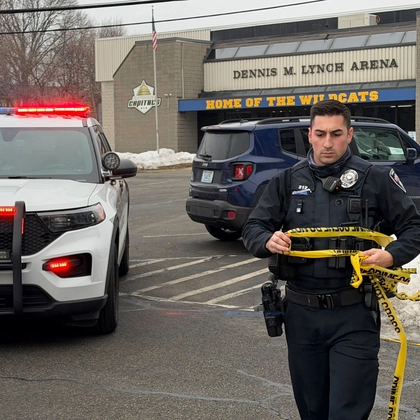
In the early hours of a weekday morning, the quiet subdivision north of Dayton lit up in red and blue. A 911 caller reported someone breaking into the Flynn home at about 2:30 a.m. Officers entered the residence and found Ashley dead from an apparent gunshot wound. Medics did not transport her. Pronouncement came at the scene.
Inside the home, Ashley’s husband, 39-year-old Caleb Flynn, and the couple’s two young daughters were alive. They met with officers in those first chaotic minutes after the shooting, as crime scene tape went up outside and neighbors watched from behind curtains.
The house itself became the first and most important witness. Detectives documented rooms, doors, windows, and anything that did not match the routine life of a family home. They collected items through the night, then returned in the morning to continue searching for what they had missed in the rush to secure the scene.
Autopsy on a Timeline
By Tuesday morning, Ashley’s body lay not in her home but in a medical examiner’s suite. An autopsy began to answer questions that the 911 call could not. How many shots? From what distance? From what angle? Did the physical evidence match a sudden struggle in the dark, a confrontation at close range, or something else entirely?
The results have not yet been released. The examination, however, already feeds the case file: photographs, measurements, bullet trajectories, and any trace evidence collected from Ashley’s skin or clothing. Those details can confirm or contradict what investigators reconstruct from the scene inside the house.
Meanwhile, the clock ticks. The longer a homicide investigation goes without a clear suspect, the more pressure builds, and the more every unanswered forensic question matters.
A Web of Agencies, Few Public Answers
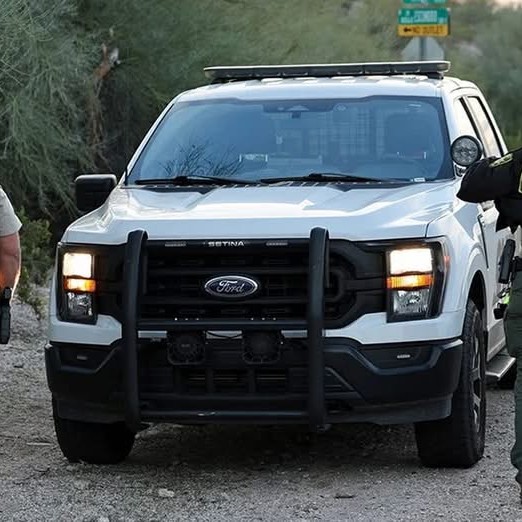
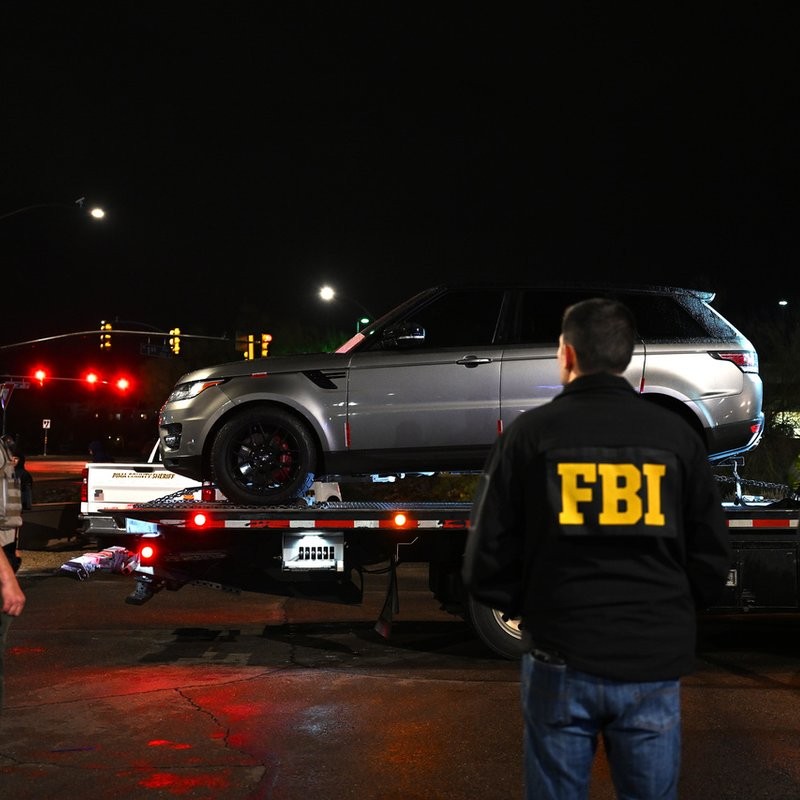
The case quickly outgrew a single small-city department. Investigators from the Ohio Bureau of Criminal Investigation joined the effort. The Miami County Sheriff’s Office, the county prosecutor’s office, and the FBI also became involved, each bringing different tools: forensic labs, data analysis, and experience with complex violent crime.
Despite the size of the investigative team, the flow of public information has been narrow. The case is classified as a homicide, not an accidental shooting or self-inflicted wound. The initial call came in as a burglary in progress. Yet by Tuesday afternoon, no suspect had been publicly identified, and no description of a possible intruder had been released.
For residents, that gap is not academic. If a stranger forced entry, shot a woman in her own home, and escaped into the night, then an unknown gunman could still be moving through the same streets where school buses stop, and kids ride bikes. If the shooting was not random, and no such warning has been issued, then the threat looks very different.
Portrait of a Victim
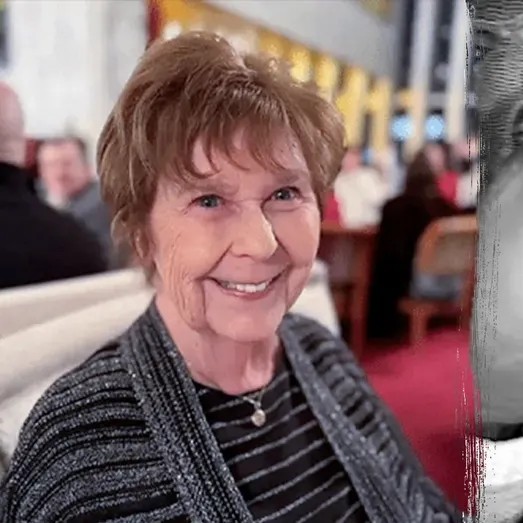
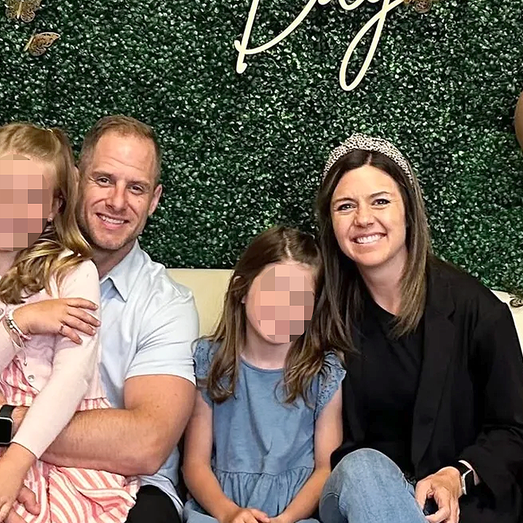
Behind the term “victim” is a specific, visible person. Ashley Flynn worked as a substitute teacher for Tipp City Schools and as a volleyball coach at Tippecanoe Middle School. Students knew her on the sidelines and in the classroom. Colleagues described a bright presence, a woman whose smile and energy made her stand out in hallways and gymnasiums.
Her work extended beyond public school buildings. Ashley taught through a released-time religious education program and was active at Christian Life Center in nearby Butler Township. In the hours after news of her death broke, church leaders and program organizers posted tributes and calls for prayer. One note read, “We are heartbroken by the passing of our teacher, Ashley Flynn. We know God is close.”
Another message from her church framed the violence in unambiguous terms: Ashley had been murdered in her home. The statement asked for prayers for her husband, her two daughters, and the extended family suddenly left facing a future that did not include her.
Community Grief, Community Fear
Grief settled quickly in the small city. Parents explained to children why the substitute teacher who had covered their classes would not be back. Students shared memories of practices and games under a coach who, in their descriptions, pushed them hard and cheered even harder.
There is a hole in an Ohio city after a devoted mother, Christian, and teacher was murdered in her home. Ashley Flynn, 37, was shot to death early Monday, according to Fox News. Tipp City Police said that officers were called to her home with a report of… https://t.co/18e9VJhosR pic.twitter.com/mP4iFN9fKJ
— The Western Journal (@WesternJournalX) February 17, 2026
In response, community groups organized prayer gatherings. Residents lit candles, filled social media feeds with photos of Ashley, and repeated a single word that appears again and again when violent death crashes into a suburban setting: “Why?”
Beneath the mourning, another question surfaced. What exactly happened inside that house between the moment the family went to bed and the moment the 911 call reached dispatchers? Without a suspect, without charges, the narrative is incomplete. That void fuels anxiety as much as sympathy.
Unresolved Questions Inside the House
The basic outline is stark. A family goes to sleep in a quiet subdivision. Around 2:30 a.m., an intrusion is reported. Officers arrive, find the mother dead from gunfire, and secure the scene. The father and two children survive. No arrest follows in the first days. Multiple agencies describe a complex case.
What remains unknown is often what shapes a homicide investigation most. Was there any sign of forced entry? Were valuables disturbed or taken, or did the scene look more like a targeted attack than a burglary? Did any neighbor’s doorbell camera capture movement on the street? Do phone records, text messages, or digital footprints point to a dispute spilling into the home?
Investigators now move along several tracks at once: processing forensic evidence from the autopsy and the house, reviewing tips from a community desperate for clarity, and testing theories against whatever the data show. Each new report either tightens the focus on a person of interest or rules out another path.
An Investigation Still in Motion
Tip lines remain open. Residents have been urged to submit any camera footage or information that might intersect with the narrow window of Ashley’s final hours. Inside agencies, analysts match those submissions with the physical and digital evidence already collected.
For now, the case sits in an uneasy space between shock and resolution. A mother, teacher, and coach has been killed in what began as a reported home invasion. An autopsy has been completed. A web of local, state, and federal investigators surrounds the file. Yet on the street where the sirens first converged, the most pressing question still has no public answer: Who pulled the trigger in the Flynn home, and why?
References