


By the time the second 911 call came from the same Johns Island address, one question hung over the shift: how had a man once deported from the United States slipped back into the neighborhood with a gun and a car, then vanished under patrol lights only to return hours later?
TLDR
A previously deported Mexican national shot a Charleston County deputy during a Johns Island traffic stop and died in the brief gunfire exchange.
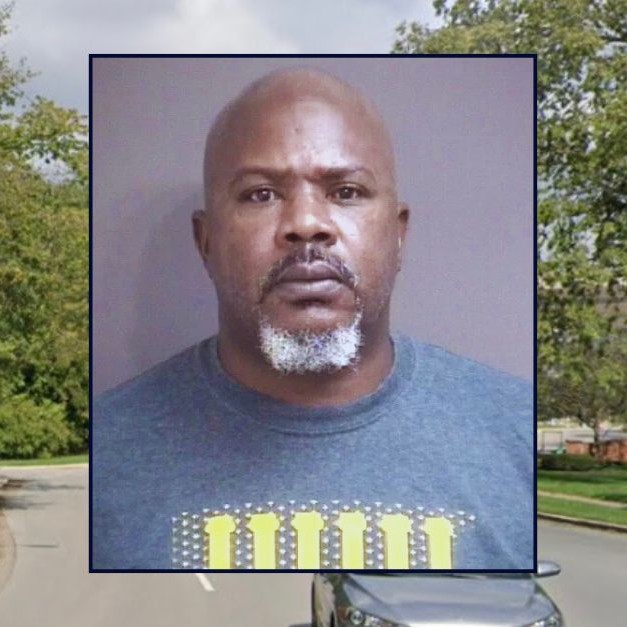
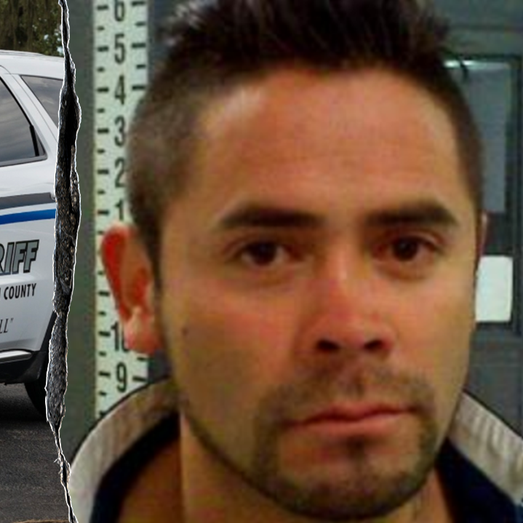
The man, identified as Floriberto Perez-Nieto of Mexico, crossed paths with Charleston County deputies on February 10th after a report of gunfire on Johns Island. He left once without a trace, then reappeared before dawn, ending the night in a roadside gunfight that left one deputy hit in the chest, and Perez-Nieto fatally wounded. Federal records already tied his name to a 2019 removal from the country and a felony illegal reentry.
Night Shots and a Vanishing Car
Shortly after 9 p.m. on February 10th, patrol units rolled through a residential stretch of Johns Island on a familiar kind of call: shots fired, no clear suspect description, anxious voices on the line. The neighborhood backs up to woods, side roads, and dark driveways, a layout that can swallow a car in seconds.
Deputies searched and cleared the immediate area. No suspect, no shell casings publicly described, no victim on the ground. The man later named as Perez-Nieto was out there somewhere, but at that hour, he remained a phantom with a gun.
Several hours later, around 3 a.m., the quiet broke again. The same caller reported that the man from earlier had returned. This time, deputies did not find an empty street. They found a car.
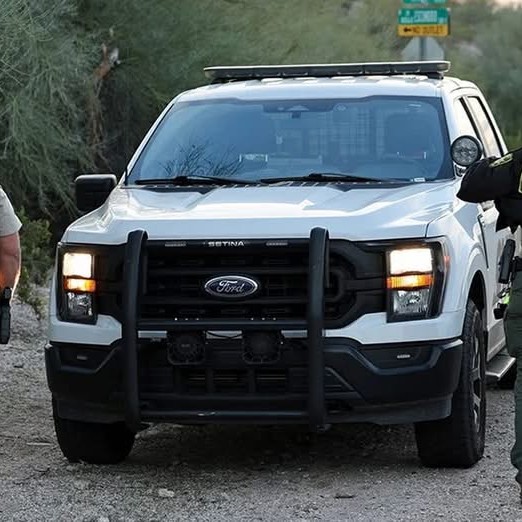
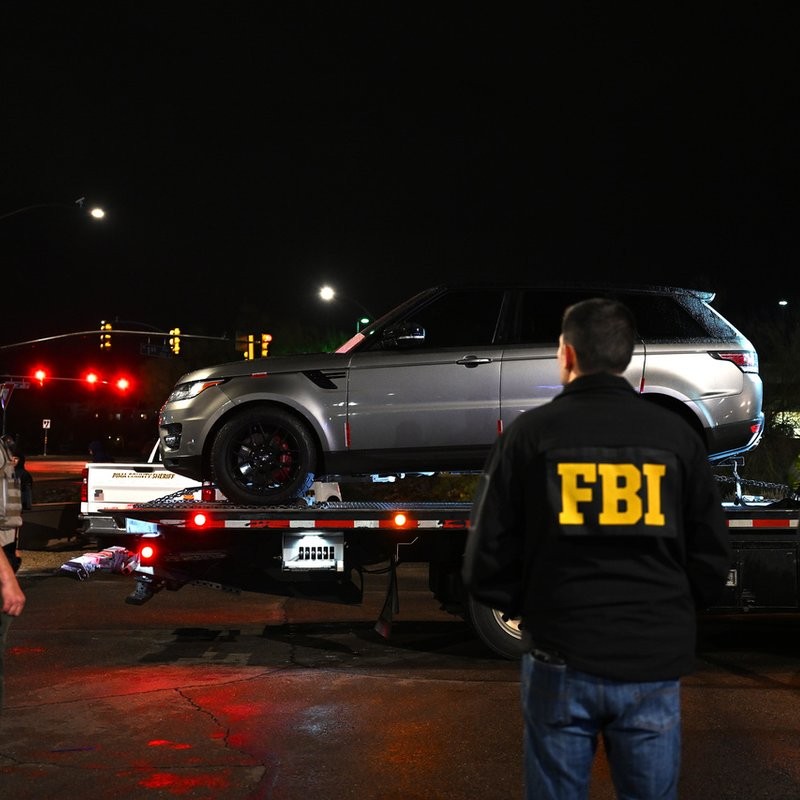
Patrol units picked up Perez-Nieto’s vehicle and attempted a traffic stop. In the space between flashing lights and a driver-side window, the situation shifted from routine to lethal. Perez-Nieto tried to get away, and in that movement, gunfire erupted.
The Traffic Stop That Turned Into a Gunfight
On an unremarkable stretch of roadway, the stop became a close-range exchange of rounds. At some point in those seconds, Perez-Nieto fired into the front of a patrol vehicle line and caught one deputy in the chest.
The deputy wore body armor. The bullet struck, but the armor did what it was designed to do. The impact still carried enough force to drop an officer, to send a radio call that chills every shift partner awake. It did not penetrate.
Other deputies fired back. The confrontation ended with Perez-Nieto on the ground, then in an ambulance, and finally in a hospital, where he was pronounced dead. The name of the wounded deputy has not been made public. The uniform survived, but the investigation that followed any deputy-involved shooting was only beginning.
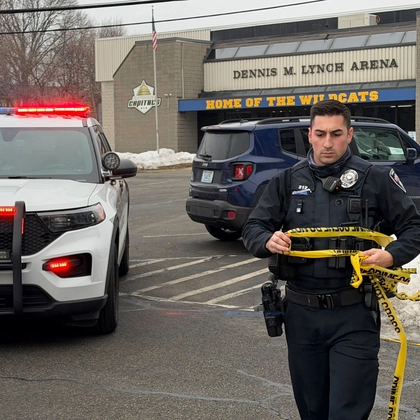
Standard protocol kicked in. The professional standards division opened an internal review into tactics, force decisions, and adherence to policy. Deputies involved in the gunfire went on paid administrative leave while the South Carolina Law Enforcement Division stepped in as the lead outside investigative body.
From Border Removal to Johns Island
The name attached to the hospital sheet was not new to federal systems. Records list Perez-Nieto as a Mexican national who had previously entered the United States without inspection, at an unknown place and time. That entry ended in custody and removal.
On February 20th, 2019, federal agents put him on a path out of the country. The case did not end there. At some later, still publicly unpinned date, he crossed a border line again and reentered the United States. That act turned his presence into a felony offense under federal immigration law.
By the time he drove the roads of Johns Island in February, he carried at least three different labels behind the scenes: deportee, illegal reentrant, and now, armed suspect in a local shooting call. What he did not carry, in any formal sense available to patrol that night, was an obvious marker that predicted a close-quarters gun battle during a traffic stop.
A senior official in the Department of Homeland Security framed Perez-Nieto as a man who illegally obtained a firearm and nearly killed a law enforcement officer. The remark underscored a familiar pattern in public safety disputes: a local traffic stop colliding with the unresolved afterlife of a federal immigration case.
Illegal immigrant with prior deportation shoots deputy in chest, dies after exchange: DHS
Floriberto Perez-Nieto was killed after opening fire during traffic stop on Johns Island, authorities say pic.twitter.com/DvfkJriVet— The Way Forward**Breaking News Daily (@Emperorhanger) February 18, 2026
A Missing Gun Trail and Systemic Gaps
In the days after the shooting, one practical question remained unanswered in public view: how did Perez-Nieto get the gun in his hand on that roadside? No dealer has been named, no theft reported in connection with the weapon, and no legal purchase documented around his identity.
That missing trail matters. A previously removed noncitizen convicted of felony illegal reentry is barred from lawful firearm possession. Any gun he carried inside Charleston County came through an illegal channel, whether by private sale, theft, or a borrowed weapon that never went back. Without a clear origin story for the firearm, there is no clear accountability path upstream from the shooting.
Another gap sits in the timeline. A 2019 removal suggests that federal databases already linked Perez-Nieto to immigration enforcement. Yet on February 10th, he moved freely enough to be present at night in a South Carolina neighborhood, drive a car registered in some fashion, and engage in an armed encounter with deputies before his past caught up with him in news releases rather than in a traffic stop query.
That dissonance fuels the quiet questions that swirl inside briefing rooms after a case like this. If a man with a prior removal and a felony-level reentry history can reappear on Johns Island armed, what does that say about the connective tissue between border enforcement, local warrant checks, and the systems that are supposed to flag the highest-risk returns?
The deputy at the center of the chaos may eventually step back into uniform, his body armor bearing the invisible proof of a round that hit and stopped. Perez-Nieto will not answer questions about where he crossed, who handed him a gun, or why he drove back to the same address twice in one night. Those answers, if they surface at all, will come from databases, phone records, and paper trails, not from the only person who knew his full route from 2019 removal paperwork to a dark road on Johns Island.
For now, the case sits in an uneasy place. The local investigation continues, the federal file has a final date of death, and the neighborhood that called twice may still measure the gap between the first shots heard, the second call made, and the instant when a single round hit a deputy’s chest and turned an immigration history into a homicide scene.
References