

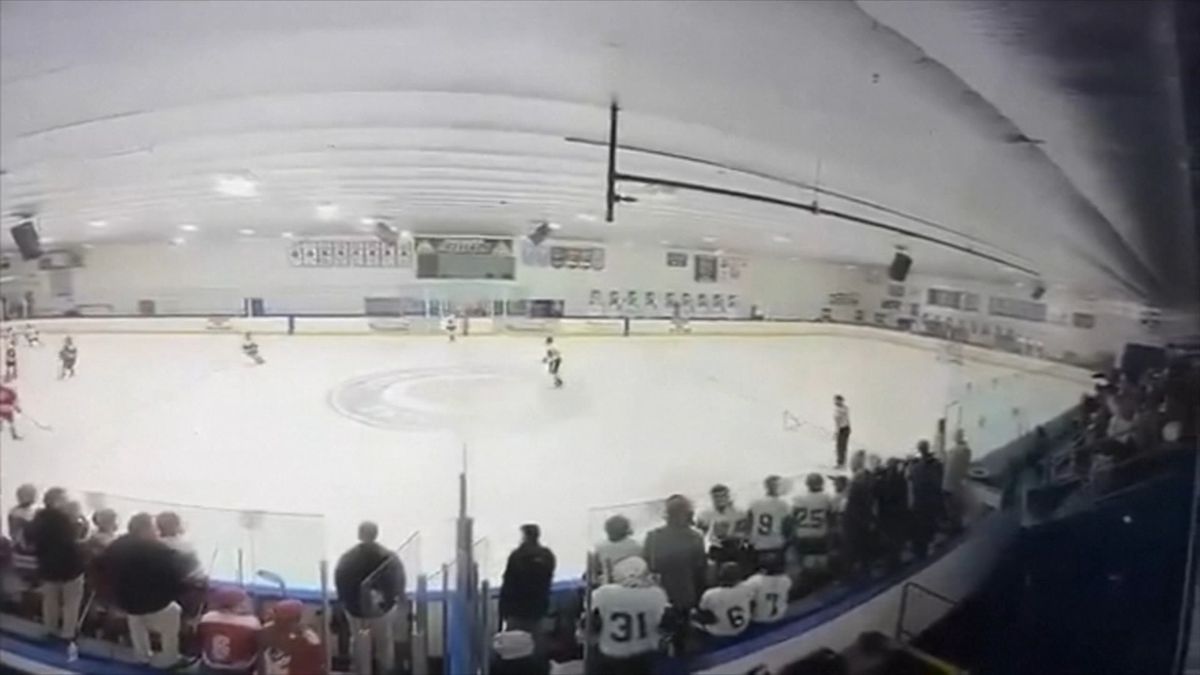
Thirty seconds after the puck dropped, spectators remember the scrape of skates and the crack of a single shot, but security footage so far reveals no argument, no confrontation, nothing to explain why a man in the bleachers suddenly raised a gun toward his own family.
TLDR
At a Rhode Island high school hockey game, 56-year-old Robert Dorgan shot his ex-wife, son, and relatives, exposing gaps in warning systems and rink security.
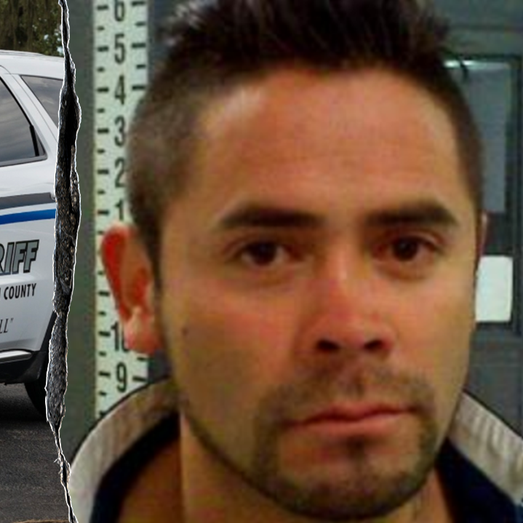
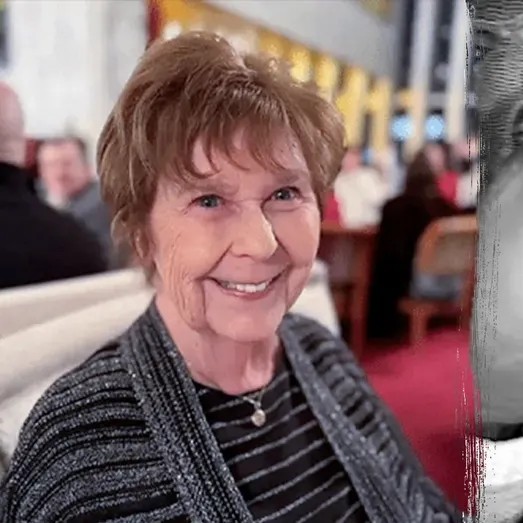
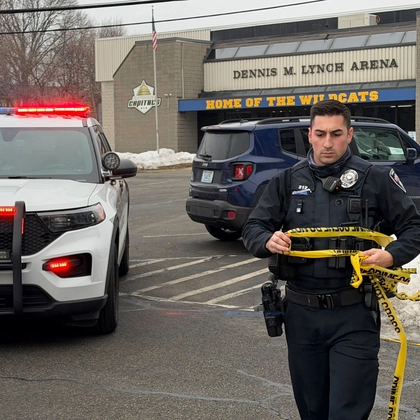
On a Monday night at the Dennis M. Lynch Arena in Pawtucket, Rhode Island, 56-year-old Robert Dorgan entered a high school hockey game between Coventry and Blackstone Valley, moved toward the stands where his relatives sat, opened fire on them, killed his ex-wife, Rhonda, and son, Aidan, then turned the gun on himself.
Shots in the Bleachers
The arena lights stayed bright, the game clock kept running out of habit, and for a few frozen seconds, players skated in confusion while parents and classmates in the stands realized the echo was not a misfired puck but live rounds tearing through the Dorgan row.
Rhonda’s parents, Linda and Gerald, and family friend Thomas Giarrusso sat nearby, close enough that gunfire left multiple people bleeding across two rows of metal benches, a family gathering turned into a tight cluster of bodies as bystanders hit the floor or grabbed children and ran.
In that chaos, one spectator vaulted from the seats, closed the distance to Dorgan, and wrestled for the weapon, a tackle later described in careful, almost reluctant detail, more out of disbelief than pride, by someone who had only planned to watch high school hockey on a weeknight.
By the time uniformed officers reached the section, Rhonda and Aidan were beyond help, three other loved ones clung to life with critical injuries, and the shooter lay mortally wounded, the violence compressed into less than a minute in a building designed for youth sports, not battlefield triage.
The Digital Warning
Twenty-four hours earlier, Dorgan had opened his phone and typed out a short message on X that used a single word to describe his mental state, a word familiar to anyone who has ever watched a cartoon villain lose control, a word that in hindsight lands like evidence of intent.
The post, visible to anyone scrolling past his account, mentioned the idea of going berserk, a casual phrase in most feeds, but chilling when the author walks into a public rink the next day with a loaded gun and a clear path to the people who once shared his home.
There is no public sign that the message drew serious attention before the shooting, no public record of wellness checks, no suspension of accounts, no flagged alert at the arena entrance, and that quiet gap now hangs over the case as heavily as the absence of a written manifesto.
Moving Through the Arena
Dorgan did not storm the building in camouflage or body armor; he walked into a community facility where families routinely wave past ticket takers with coffee cups and duffel bags, a place that on most nights feels like the safest room in town for anyone under eighteen.
Inside, security at the local rink looked like security at most high school venues: a handful of staffers, coaches, parents, and teenagers, but no obvious barrier stopped a man with a concealed weapon from reaching the row where his relatives sat.
The path he took matters now, hallway to lobby to stands, because every step raises the same questions for parents who keep replaying the route in their heads, measuring how many chances there were, if any, to intercept him before he squeezed the trigger.
Family Statements and Silences
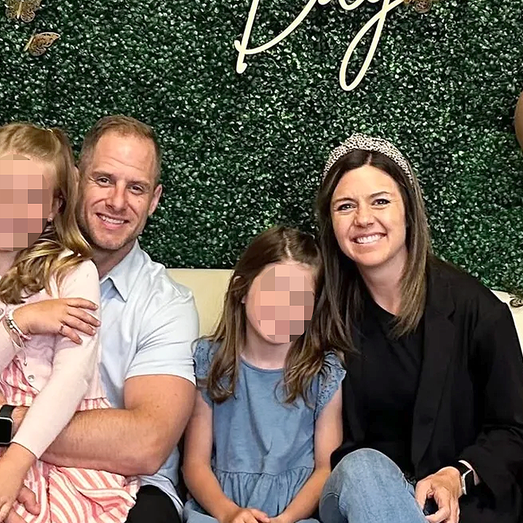
In the days after the arena lights shut off and the ice crews scraped away blood along with snow, members of the Dorgan family put their grief into a short written statement, a careful message that talked about profound pain and loss, but avoided speculation about why one of their own opened fire.
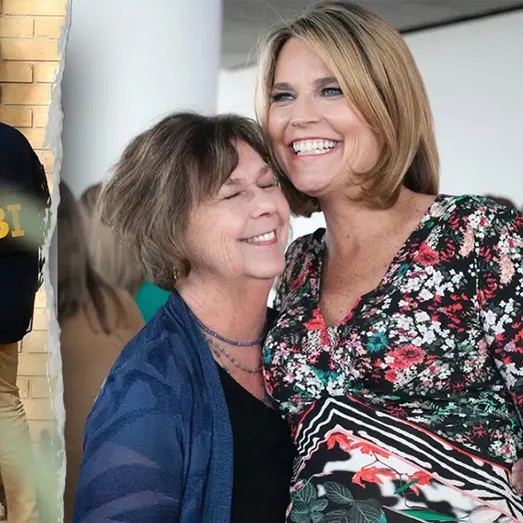
Friends are remembering the woman shot and killed by her ex-husband at the Pawtucket ice rink@KennedyBuckTV is live on @NBC10 Sunrise with tributes to Rhonda Dorganhttps://t.co/wClgJGcQZY pic.twitter.com/j7udPSbQBs
— Mario Hilario (@NBC10_Mario) February 19, 2026
They focused instead on the living, on the relatives in hospital beds, on other families in the stands whose children will now flinch at the sound of a puck off plexiglass, and on a community that watched a private unraveling explode in the most public way possible.
Through attorneys, the family confirmed they are cooperating with investigators and funneled questions to a single spokesperson, a standard move when trauma collides with criminal inquiry, but notable here because two surviving children of Robert and Rhonda remain almost entirely off the public record.
Their names, ages, and whereabouts sit behind that silence, a deliberate gap that keeps them from becoming case exhibits, even as the deaths of their brother and mother, and the self-inflicted death of their father, become shorthand in a broader fight over guns, domestic violence, and public safety.
An Unanswered Motive
No clear motive has been released for the attack, no note left on a kitchen table, no last voicemail, no manifesto posted on the same account that carried the berserk warning, and the absence of an explanation has opened space for rumors that move faster than the investigation.
The divorce is an established fact, and the seating chart at the rink tells its own story: relatives clustered apart from the man who once shared their home, but distance and paperwork do not, on their own, explain why a parent would pick a packed arena, with a child’s team on the ice, as the setting for murder.
Investigators are left to work backward from bullet paths, text histories, financial records, and that single chilling social media post, trying to reconstruct a private descent without the benefit of the shooter’s own account, which ended the moment he pulled the final trigger on himself.
Systemic Questions
The case now presses on multiple weak spots at once, from mental health systems that rarely communicate with those who issue gun permits, to social platforms that host millions of volatile comments a day, to local venues that were built for youth sports long before mass shootings became a regular headline.
How should platforms treat a post that mentions going berserk, but does not spell out a target, a date, or a detailed threat, and how should law enforcement, already buried in tips, separate a genuine warning from everyday venting before a shooter walks through a local arena door?
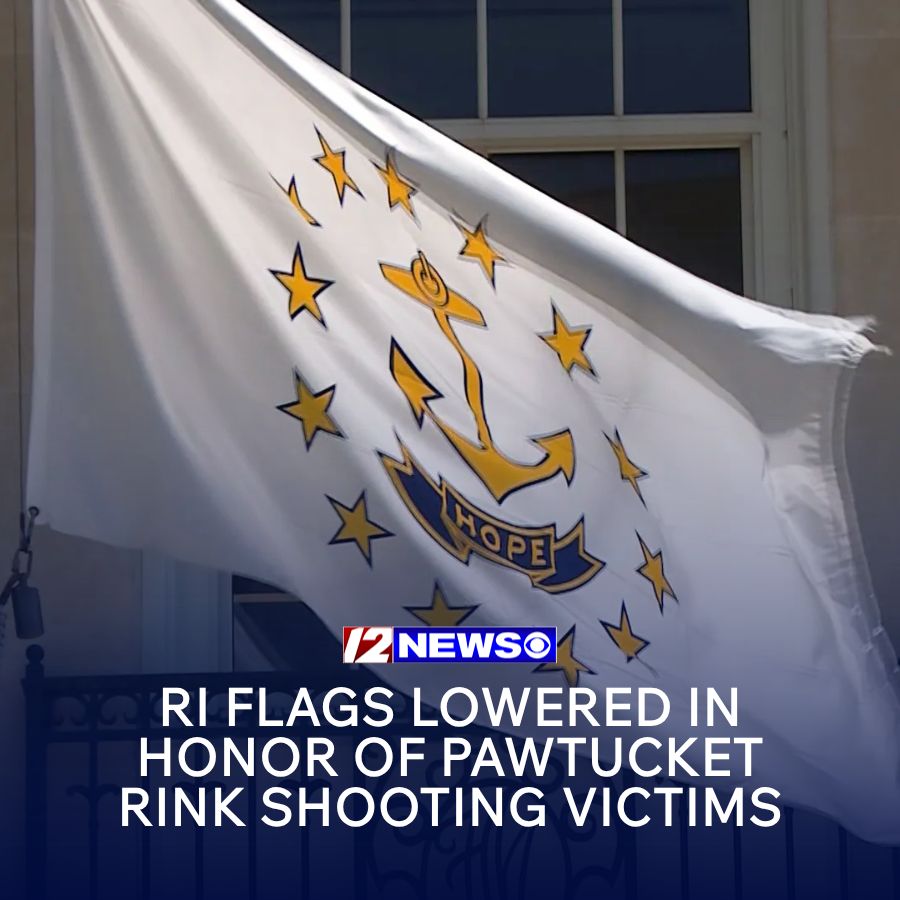
And at the ground level, what does due diligence look like for a public rink that hosts school events, one part community center, one part business, and now, for Pawtucket, the place where a family watched its own history rewritten in a span of seconds.
Until those questions have answers, parents in Rhode Island and far beyond will keep scanning the stands as much as the scoreboard, weighing whether a night at the rink is still just a game, or another public space where the next unseen grievance might end in gunfire.
References
- Fox News: Family Speaks Profound Pain After Trans Dad Guns Down Ex-wife, Son at High School Hockey Game
- Fox News: Hockey Rink Shooting Suspect Warned About Going Berserk in X Post Day Before Attack
- Fox News: New Details Revealed About Seconds Before Trans Gunman Opened Fire at Rhode Island Hockey Game