


By the time the line of cars wrapped around the South Grand Starbucks on a recent Tuesday morning, the routine had already broken. A 28-year-old figure skating coach lay slumped in her seat, shot in the middle of a daylight robbery, while the man linked to two other hold-ups in the same city vanished from the frame.
TLDR
Former Team USA skater Gabrielle Sam Linehan, 28, was killed in a St. Louis Starbucks drive-thru, and a 58-year-old repeat offender now faces murder charges.
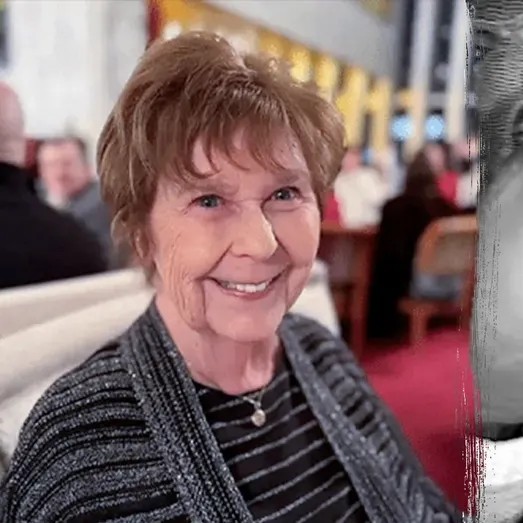
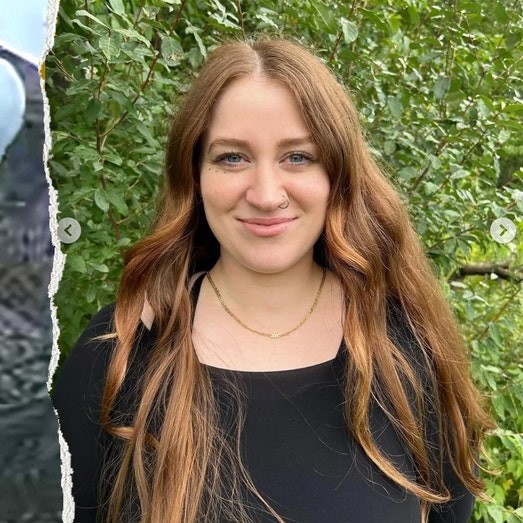
The victim was Gabrielle Sam Linehan, a former synchronized figure skater who once represented Team USA and later coached young skaters in St. Louis. The shooting unfolded at a Starbucks drive-thru in the Tower Grove East neighborhood just after 10 a.m., in what investigators classify as an armed robbery that also targeted her bank cards and identification. Within a day, a 58-year-old man with a criminal history dating back to the mid-1980s was under arrest and charged with first-degree murder, multiple counts of robbery, armed criminal action, and unlawful possession of a firearm.
Gabrielle Sam Linehan, 28, a former Team USA synchronized skater and local coach in St. Louis.
A Routine Coffee Run Turns Fatal
Late-morning traffic on South Grand Boulevard fed into the Starbucks drive-thru in a familiar pattern: cars idling, orders shouted into a speaker, cups passed through a window. Linehan waited alone in her vehicle, inching forward with the rest of the line.
Just after 10 a.m., a figure in a high-visibility vest and helmet approached her car. Surveillance footage captured the outfit, a look that blended into the construction crews and delivery workers who move through the city every weekday morning. Instead of tools or packages, the man carried a gun.
What happened next lasted seconds. The shooter stepped up to the driver’s side, opened fire, and turned a drive-thru lane into a trap. Linehan was struck, trapped by her own seatbelt and the line of cars, while the gunman reached into the vehicle and took several of her bank cards and her driver’s license before escaping.
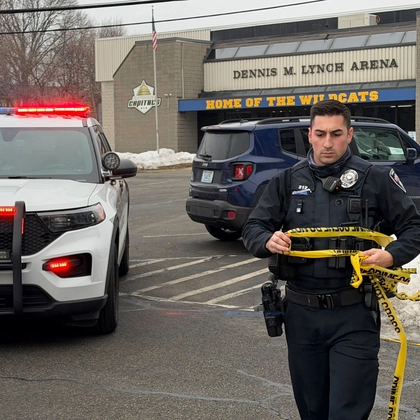
Paramedics rushed Linehan to a nearby hospital. She did not survive. By the time news of the killing reached the skating community that afternoon, the Starbucks drive-thru was taped off, evidence markers dotted the pavement, and a young coach who had built a life on precision and balance was gone.
A Career on the Ice Interrupted
Long before the shooting at the coffee shop, Linehan’s life was measured in beats of music and the scrape of blades across ice. As a teenager, she skated with St. Louis Synergy’s junior synchronized team, representing U.S. Figure Skating on the national stage. In 2014, that team earned a silver medal at the U.S. Synchronized Skating Championships, a performance that placed her among the country’s best in a discipline built on trust and timing.
She transitioned from competitor to coach, working with the Metro Edge Skating Club and other local programs. Children learned how to hold their arms, bend their knees, and fall safely under her direction. Parents watched as their kids followed the small woman at center ice whose voice carried across the rink and whose standards never seemed to slip.
In the days after her death, teammates, students, and fellow coaches tried to piece together a life that ended in a drive-thru. Former teammates described a leader who organized lineups, steadied nerves before competitions, and stayed late to help skaters land a jump or master a step sequence. The skating club where she coached posted a tribute describing her as a mentor and friend whose influence extended far beyond the boards.
For those who knew her, the contrast was almost impossible to process. A woman who had spent years perfecting synchronized movement, where 16 skaters glide as one, died alone in a car, surprised by a stranger walking up to her window.
A Suspect With a Long Record
Within hours of the killing, attention turned to the man in the vest. Detectives reviewing surveillance footage focused on the figure moving near the Starbucks around the time of the shooting, dressed in the high-visibility gear that appeared in the video.
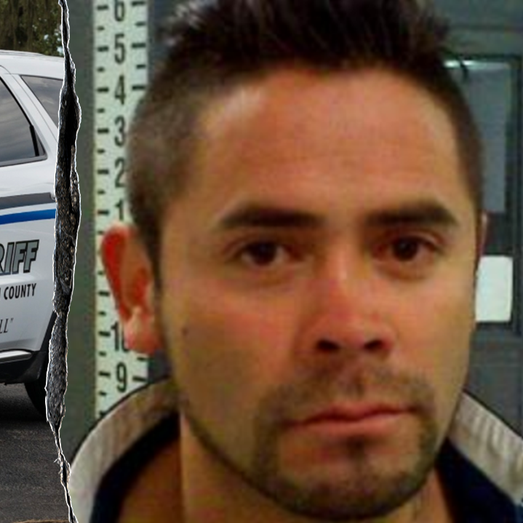
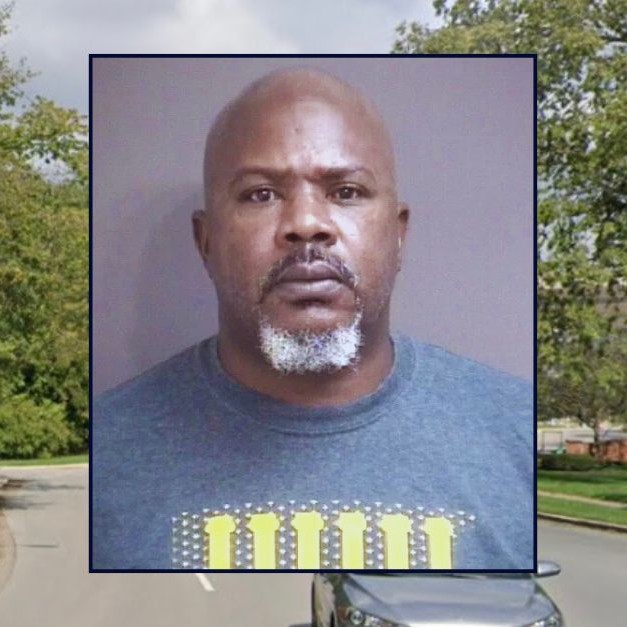
By Wednesday, 58-year-old Keith Lamon Brown was in custody. When officers moved in, he was armed. A SWAT team later executed a search warrant at his home, where investigators recovered items tied to two earlier robberies in the city.
Those earlier cases had unfolded in the days leading up to the Starbucks shooting. In each, a masked robber targeted victims at gunpoint and fled with cash or cards. Brown was already wanted in connection with two armed robberies when Linehan was shot in her car, yet he remained on the street until after the killing.
Once arrested, Brown faced an array of charges. Court documents list first-degree murder, three counts of first-degree robbery, four counts of armed criminal action, and one count of unlawful possession of a firearm. A judge ordered him held without bond at the St. Louis City Justice Center, cutting off any immediate path back into the community.
Brown’s past stretches back decades. His criminal history dates to the mid-1980s, tracing a pattern of contact with the justice system that never fully pushed him out of public life. The latest accusations, centered on a Starbucks lane and a murdered skating coach, now stand as the most serious.
Unanswered Questions About Repeat Violence
In the tight radius around South Grand and the Tower Grove neighborhoods, residents know crime is not abstract. Robberies, carjackings, and gunfire mark certain blocks more than others. Still, a shooting at a busy Starbucks in mid-morning traffic felt different, as if the violence had spilled into a space that residents counted on as neutral ground.
The case raises a blunt question. If investigators connected Brown to two armed robberies in the days before Linehan’s death, and if his record reaches back to the 1980s, why was he close enough, and free enough, to walk up to her window on a Tuesday morning?
The public has only fragments of that answer. The robberies preceding the homicide were still fresh, evidence from those scenes still in motion. The search of Brown’s home came only after the Starbucks shooting, when a tactical team had the authority and urgency to break down a door and look for links. By then, one victim was already dead.
The timeline leaves space for discomfort. A repeat offender with a weapon moved across the city, allegedly robbing at least two targets before the drive-thru killing. Only after a high-profile homicide did the pieces lock into place: a suspect in custody, a home searched, evidence recovered, charges filed. The sequence suggests a pattern many cities know too well, where the most serious cases often force action that earlier crimes did not.
Meanwhile, the people closest to the case live with more personal questions. Young skaters wonder how to step back on the ice without the coach who used to tap her skate blade on the boards and call them into formation. Friends replay the small decisions of that morning, imagining a different route, a different coffee shop, a different time.
Brown will face judgment in a courtroom, surrounded by lawyers, jurors, and the architecture of a system that has crossed his path since the 1980s. Whether that system can explain why it did not stop him before a Starbucks drive-thru became a homicide scene is a different question, one that lingers every time another car eases into that lane and waits for a drink.
References