


A single latex glove sits in a locked evidence freezer in Tucson while two agencies argue over who gets to test it, even as the woman it may be tied to has been missing for nearly two weeks.
TLDR
Pima County’s sheriff is refusing to release key physical evidence in missing woman Nancy Guthrie’s case to federal labs, deepening friction with the FBI.
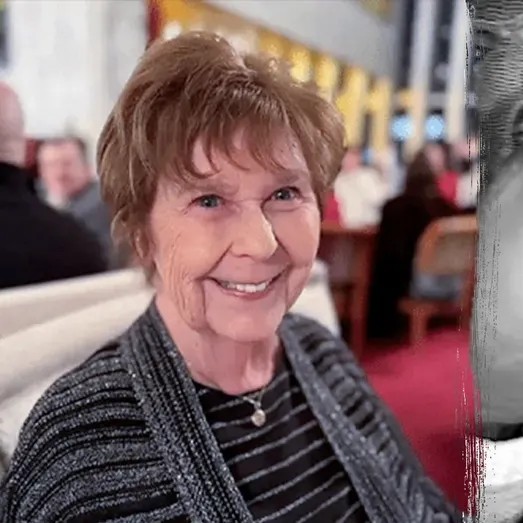
Nancy Guthrie, a Tucson resident who vanished from her home in the early hours of February 1st, 2026, is now at the center of a jurisdictional fight between the Pima County Sheriff and the FBI over a glove, DNA samples, and where that evidence will be analyzed.
A Disappearance Without a Body
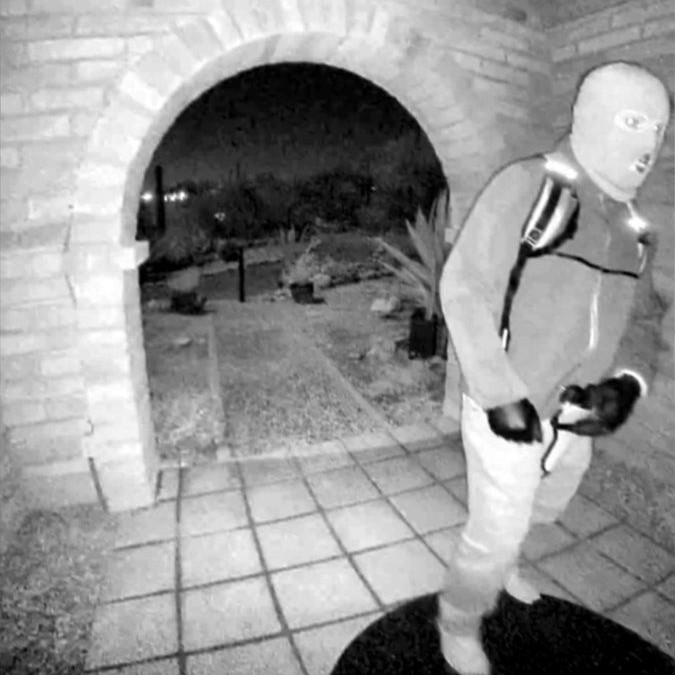
The morning Guthrie disappeared, cameras at her front door captured a masked figure approaching the house in a quiet neighborhood on Tucson’s east side. Within hours, her family reported her missing. Inside the home, investigators found signs of a hurried exit, but no obvious scene that could answer the question that now drives every decision in the case. Where did she go, and who walked up to that door before she vanished?
As days passed without a body, search teams fanned out across the desert, drainage canals, and remote properties linked to Guthrie’s life. Crews sifted arroyos and empty lots. A growing catalog of locations was searched and cleared, but none produced the breakthrough that would move the case from missing person to homicide, or to safe recovery.
Public appeals multiplied. Surveillance images of the masked figure were released in an effort to jolt loose a lead. The FBI increased the reward to $100,000 for information leading to Guthrie’s return or to an arrest, signaling that the case had escalated from a local mystery to a priority investigation watched far beyond southern Arizona.
Yet even as the search widened, the most important clues may have remained in a lab queue rather than under the most advanced microscopes available. The dispute over that latex glove and trace DNA inside Guthrie’s home turned an already urgent investigation into a power struggle over control, speed, and pride.
Evidence Locked in a Lab Contract
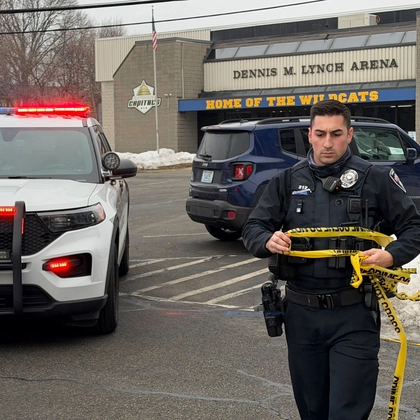
From the beginning, the Pima County Sheriff’s Office held primary jurisdiction. That control came with a choice that now defines the case’s fault line. Rather than releasing the glove and other biological evidence for processing at the FBI laboratory in Quantico, Virginia, Sheriff Chris Nanos directed the materials to a private laboratory in Florida under an existing contract.

The county has already spent roughly $200,000 using that private facility in Florida. The arrangement did not raise public alarm when routine cases flowed through the pipeline. In a disappearance with national eyes on every move, the contract suddenly looks less like administrative housekeeping and more like a gate that keeps federal examiners at arm’s length.
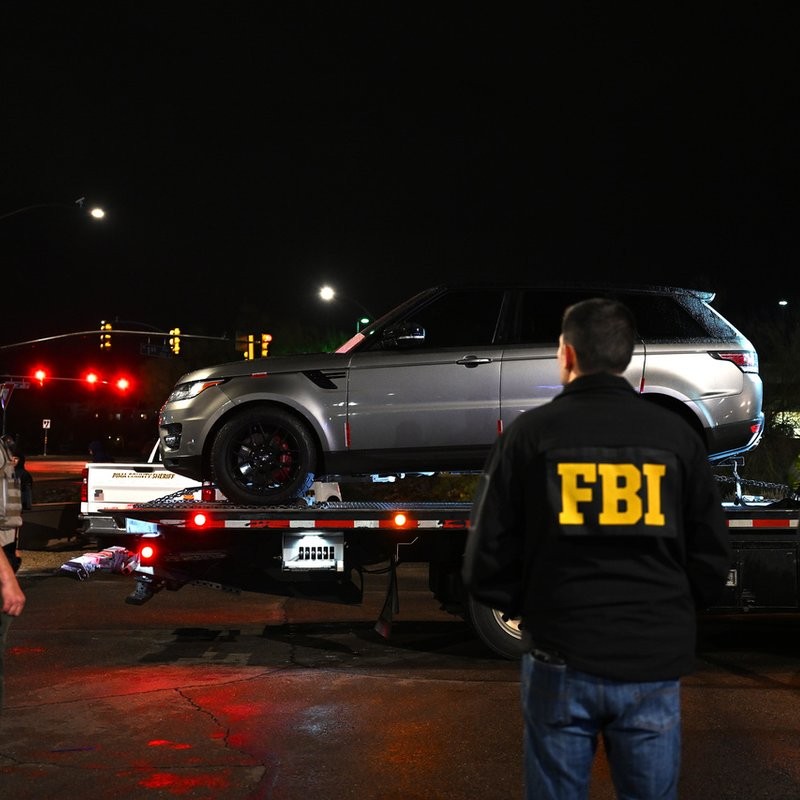
At the same time, the FBI has sought custody of critical items from Guthrie’s home, including the glove and DNA swabs, for its national crime lab. Federal examiners can run complex profiles, cross-check unknown DNA against databases, and analyze minute traces on fabric and surfaces that might connect a suspect to her front door or living room.
Instead, the most telling pieces of the physical puzzle sit within a system that the sheriff chose long before Guthrie’s name hit national headlines. The lab contract commits the county to a path that now collides with federal urgency. Each day those samples sit outside the federal pipeline, the question sharpens. Is the decision about science, budget loyalty, or simply a refusal to let another agency define the investigation’s pace?
Two Agendas, One Crime Scene
The friction is not just about where evidence goes. It is about who answers for the outcome of this case.
For local investigators, Guthrie’s disappearance is a test of whether the county can manage a complex, high-pressure case with the tools it already pays for. Releasing marquee pieces of evidence to Washington would shift both control and credit, especially if the break comes from a test that did not run through the county’s preferred lab.
For the FBI, Guthrie’s file is one more in a long line of missing adults whose cases hinge on early, decisive handling of fragile forensic traces. Federal resources exist precisely to avoid bottlenecks when a single touch on a doorknob or a stray hair on a glove might be the only link to an abductor. In that frame, anything short of immediate transfer to the national lab looks like unnecessary friction.
The gap between those agendas is visible in the timeline. Federal assistance did not come into full view until the case was already days old. By the time the higher reward was announced and joint public appeals began, the masked figure at Guthrie’s door had enjoyed a widening head start.
Every minute that passes without a named suspect or a recovered victim deepens the stakes for both sides. If the private lab produces a clear match that leads to an arrest, the sheriff’s insistence on that path will look like independence, maybe even foresight. If it does not, or if the results lag behind what a federal lab might have delivered, the decision will be reexamined as an avoidable delay.
The Clock on Perishable Clues
Physical evidence is not just tested; it ages. Some DNA degrades with time and temperature, some surfaces are contaminated as investigators move through rooms, and some trace materials are consumed in the process of analysis. Choosing where to send samples is not a neutral administrative act. It sets the schedule for what can be done and when.
Beyond the glove and DNA, the case leans heavily on time-sensitive leads. The masked figure’s clothing, captured in grainy footage, has pushed investigators toward retail records that might reveal where that outfit was bought and who paid for it. The longer those inquiries take, the more receipts are archived, employees turn over, and memories blur.
Cryptic letters claiming to be from Guthrie have also surfaced, raising the specter of hoaxes or manipulation. One former bureau official has pointed out classic fraud markers in the communications, warning that chasing false trails can waste the narrow window when the real trail is still warm. In a case where the central question is whether Guthrie is alive, every hour misdirected toward a scam is an hour not spent closing in on whoever approached her door.
The same logic applies to digital evidence. Phone records, app data, and location histories exist, but access and analysis take time. Federal tools can compress that work into days instead of weeks, yet they depend on a unified strategy. When the basic decision of where to test a glove becomes a tug of war, the rest of the digital and financial threads risk getting tangled in the same fight.
Unanswered Questions in the Desert
The disappearance of Nancy Guthrie is no longer just a search for a missing woman. It is a case study in how overlapping jurisdictions can cloud simple questions. Why were federal resources not fully leveraged from the outset? Why is a private laboratory in another state holding the kind of evidence that could decide whether this case ever sees a courtroom?
Families of the missing live inside those questions. The Guthrie family has watched the reward grow, the search grid expand, and the public speculation sharpen, even as basic facts remain hidden behind investigative secrecy. They have not seen the lab reports on the glove, nor the DNA findings from their daughter’s home. They have only been told that the system is working.
If the masked figure in the surveillance footage is ever identified, that person will walk into a courtroom backed by a paper trail of every decision investigators made in February 2026. Jurors will hear about the glove, the DNA, the Florida lab, and the federal lab that waited for samples that never came. They will weigh not only what happened at Guthrie’s front door, but what happened in the conference rooms where agencies decided who would test what, and where.
Until then, the latex glove remains cold in storage, the desert remains searched but unresolved, and the most urgent question stays unanswered. Is the system moving fast enough to catch whoever knocked on Nancy Guthrie’s door before she disappeared into the Arizona dark, or will the investigation’s own choices become the biggest obstacle to finding her?
References
- Fox News: Arizona Sheriff Blocks FBI From Key Evidence in Nancy Guthrie Case, According to Source
- Fox News: Nancy Guthrie Case: All of the Properties Searched by Authorities Since Disappearance
- Fox News: Retail Records Could Unmask Potential Subject in Nancy Guthrie Case as Experts Reveal ‘Clothing Is Evidence’
- Fox News: FBI Evidence in Nancy Guthrie Case Draws Two Suspect Claims, Retired Agent Weighs
- Fox News: Ex-FBI Official Flags Possible Scam as Third Alleged Nancy Guthrie Letter Emerges
- Fox News: FBI Reveals New Suspect Details Including Backpack in Nancy Guthrie Disappearance, Doubles Reward