



The car engine was still running when the first responders stepped into the cold Dayton street. Inside, a 33-year-old mother of two sat motionless in the driver’s seat, the passenger window blown out, the clock edging past 2 a.m. Somewhere nearby, the man who had called 911 on himself waited to be taken into custody, insisting the woman in the car had “got what she deserved.”
TLDR
A 34-year-old Dayton man is accused of shooting his 33-year-old girlfriend three times, leaving her dead in a running car near her home, and now faces murder and related felony charges.
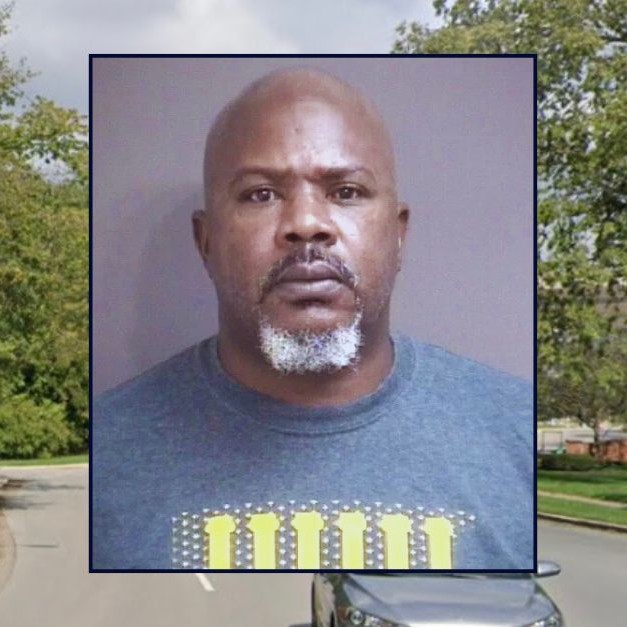
The killing unfolded in Dayton, Ohio, in the early hours of a February Tuesday. Prosecutors describe a domestic relationship turned lethal: 34-year-old Jayme Rogers now faces murder and related charges in the death of his girlfriend, 33-year-old Jaime Dick, who was found shot multiple times in a vehicle outside her residence.
A Quiet Street, a Running Engine
The neighborhood near West Norman Avenue was not the sort of place that expected gunfire before dawn. Yet just after 2 a.m., a vehicle sat idling near Dick’s home, its passenger-side glass shattered, its driver unresponsive. Shell casings lay on the street and sidewalk, scattered between the car and a nearby residence.
Inside the vehicle, Dick had been shot three times. The engine, still on, suggested a sudden attack. The car never moved from the spot. Whatever argument or confrontation led to the gunfire did not leave tire marks or a high-speed escape. It left only a running motor, spent casings, and a body.
Minutes earlier, a man had phoned 911 and reported that someone had been shot. The caller identified himself as the shooter, told the dispatcher that the woman “got what she deserved,” and warned that he was not going out without a fight. That threat hung in the air as officers approached the address attached to the call.
The Man Who Called on Himself
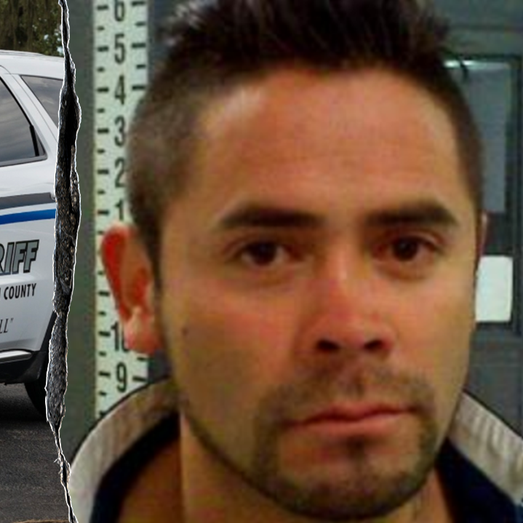
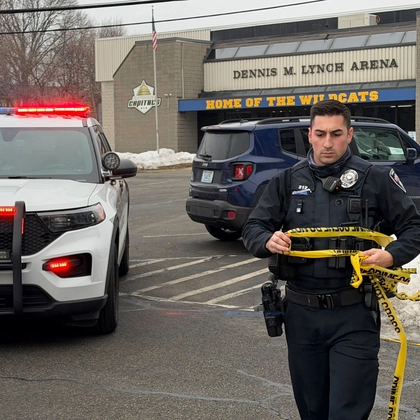
When officers arrived at a residence near the running car, Rogers walked out to meet them. There was no shootout, no barricade situation. Instead, the encounter ended with a 34-year-old man in handcuffs, repeating that he had shot his girlfriend.
Investigators recovered multiple spent shell casings close to Dick’s vehicle. The pattern of those casings, some on the street and some on the sidewalk, suggested shots fired from outside the car rather than a struggle inside it. The passenger window was visibly damaged by gunfire.
Rogers’ alleged motive surfaced quickly. He accused Dick of being unfaithful and, in that accusation, framed the shooting as a kind of rough justice. In his own words on the 911 call, she had “got what she deserved.” The call turned a chaotic scene into something else: a real-time confession wrapped in grievance.
From Domestic Dispute to Homicide Case
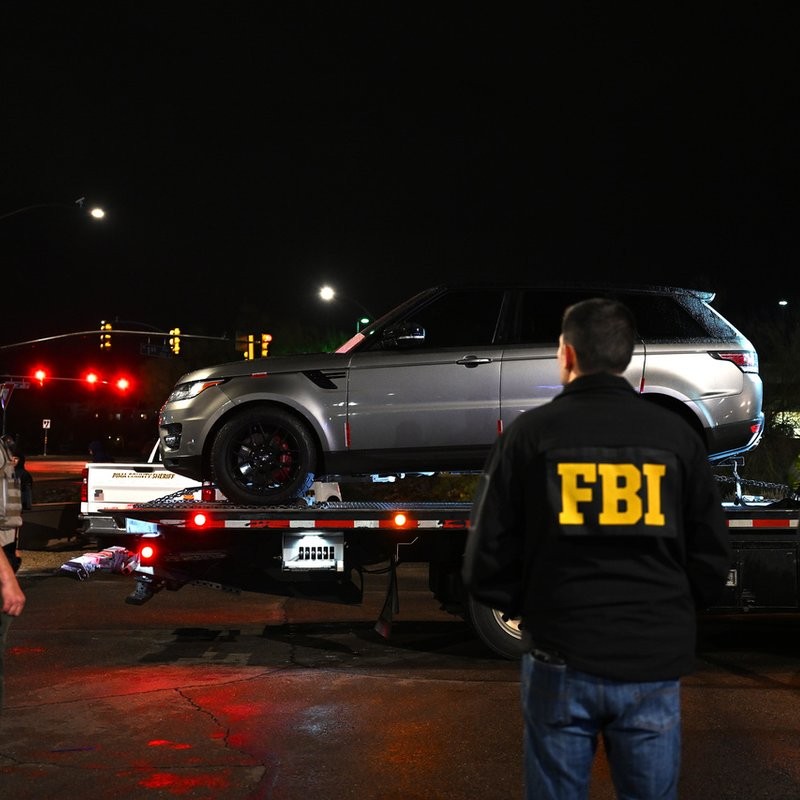
By sunrise, the case had shifted from a frantic overnight response to a formal homicide investigation. Dick’s body was removed from the vehicle. Evidence technicians documented the scene, photographing the shattered glass, the bullet damage, and the position of the car near her home.
Rogers was booked into the Montgomery County jail. Prosecutors charged him with murder, felonious assault, having weapons while under disability, and discharging a firearm on or near prohibited premises. The weapons disability count indicated a prior bar on possessing firearms, a legal line already in place that appears to have done nothing to prevent the shooting.
In an initial appearance in Dayton Municipal Court, a judge set Rogers’ bond at $1 million. A preliminary hearing landed on the calendar, a date at which the state would begin laying out enough detail to bind the case over for potential indictment.
A Mother of 2, Frozen in Time
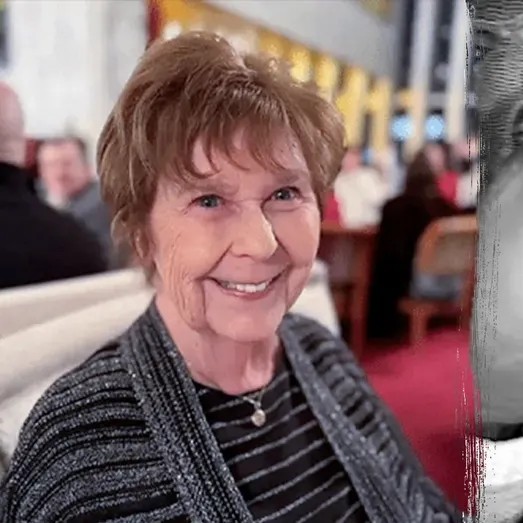
In the legal file, Dick appears as the victim in a homicide complaint. Away from the docket, her identity looks different. An obituary describes her as a devoted mother of two, a loving daughter, and a sister whose presence anchored family gatherings. Friends and relatives painted a picture of someone whose loyalty and warmth drew people in, who balanced the relentless demands of parenting with work and family ties.
The obituary describes a woman remembered as “a loving mom, a devoted daughter, and the very best sister a family could ever ask for,” someone whose “kindness, strength, and unwavering love” left a mark on those around her. That portrait stands in stark conflict with the version of her invoked in the 911 call, where infidelity became justification for three shots through a car window.
The children she leaves behind now occupy the quiet center of the case. Their loss does not appear in the charging language, yet it is the permanent consequence of a few violent seconds on a Dayton street.
The 911 Call and the Question of Intent
The call that brought responders to the scene now looms over the unfolding court case. Law enforcement did not stumble onto the crime by chance or by a neighbor’s report of gunfire. The alleged shooter dialed the phone himself.
In that call, he acknowledged that he had shot Dick and framed the act as punishment for cheating. The language pointed to intent rather than panic, and to a belief that personal betrayal carries a death sentence. The reported threat about not going out without a fight hinted at a readiness to escalate further, even as the decision to surrender without resistance undercut that tough posture.
Those contradictions will likely follow the case into any courtroom. Was this a momentary eruption of jealousy or a deliberate execution rationalized by claims of infidelity? How much time passed between whatever argument occurred and the first shot fired outside the running car?
Evidence on the Asphalt
The physical evidence narrows some of those questions. Multiple shell casings on the pavement point to a shooter who positioned himself outside the car and fired more than once. The passenger window damage indicates gunfire directed squarely into the vehicle. Three wounds to Dick’s body support the conclusion that the shooter continued firing after the first bullet struck.
The vehicle’s location near her home and the engine left running add another layer. The engine idle suggests that Dick either had just arrived, was about to leave, or had paused mid-trip. The shooter attacked before the scene could change, intercepting her in a moment of transition.
There is no indication that the car moved after the final shot. Whatever happened unfolded in a tight geographic box: the street, the sidewalk, the front of a residence. The bullets, the broken glass, and the running engine tell a story of speed, proximity, and a lack of escape routes.
Courtroom Path Ahead
As of mid-February, Rogers remains locked behind a seven-figure bond. The murder count sits at the top of the charging sheet, with the additional felonies circling it. Each new filing, from preliminary hearing notices to potential indictments, will harden the case into a timeline the state intends to prove.
The defense has not yet laid out a full narrative in public filings. There is no detailed alternative account of the shooting, no public claim of self-defense, accident, or mental break. The known facts begin with a man who called 911, admitted to shooting his girlfriend, and led officers to a running car with her body inside.
That leaves open the space where nuance usually lives in domestic violence homicides. Were there prior threats or incidents that went unreported? Did friends or relatives see this escalation coming, or did it arrive as a blindside in the middle of the night?
Unanswered Questions in a Familiar Story
The outlines of this case feel grimly familiar: a romantic relationship, allegations of cheating, a man with a firearm, and a woman who never makes it out of the car alive. Yet the details still raise questions that the criminal process does not always answer.
Why did a man who had already been legally prohibited from possessing a firearm still have access to a gun? What warnings, if any, existed before the shots outside Dick’s home? How many people saw red flags but had nowhere to take them?
The court system will focus on whether the evidence meets the standard for murder and the related charges. Families on both sides will sit through hearings, filings, and legal arguments while that question grinds forward. On paper, the case may look straightforward: a 911 call, an admission, a body in a running car, and bullet casings on the asphalt.
Outside the paperwork, two children grow up without their mother, and a neighborhood lives with the memory of an idling engine and police lights cutting through the dark. The law can label what happened a homicide. It cannot fully explain how a suspicion of cheating turned into three shots and a life ended a few yards from home.
References