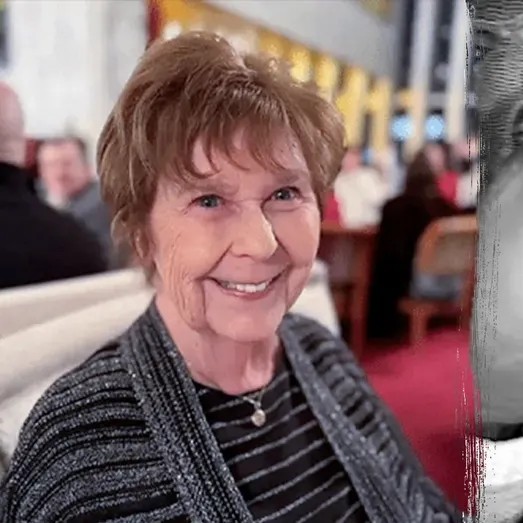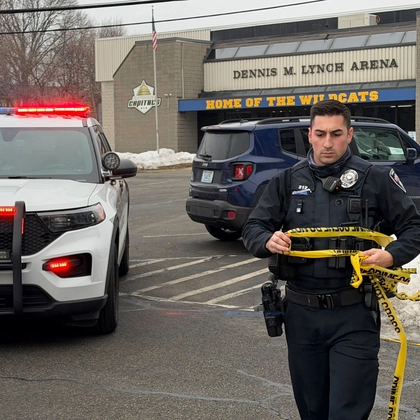




By the time the second set of cruisers rolled up Red Mill Road, the argument was over, the house was quiet, and 64-year-old Stephanie McCoy was lying inside with a fatal wound to her neck. Only hours earlier, deputies had stood in the same doorway while she begged to be allowed to leave her own home. What happened in the gap between those visits?
TLDR
Durham deputies visited Stephanie McCoy’s home, left her son behind, and hours later, the 64-year-old was dead, and the same son was charged with murder.
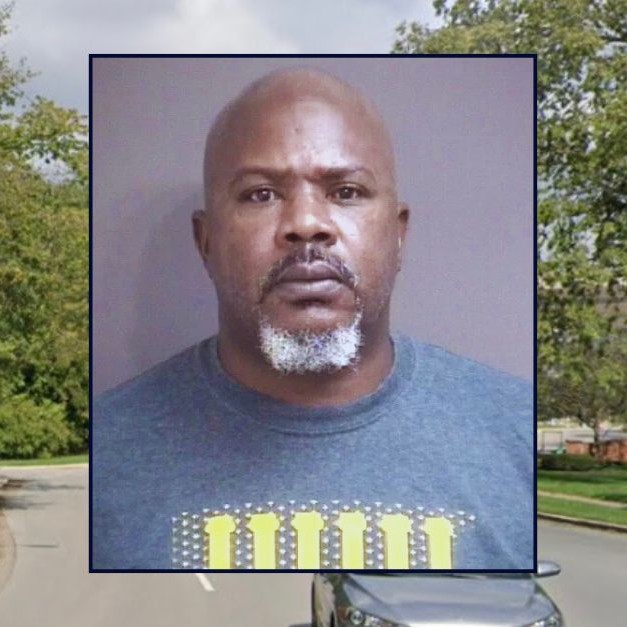
The man now at the center of those unanswered questions is her son, 38-year-old Alexander James Glenn Jr., charged with first-degree murder in McCoy’s killing at her small house just outside Durham, North Carolina, on May 15th, 2025. What began that morning as a domestic dispute call ended the same day as a homicide scene, with a missing car, a violent history resurfacing, and a family broken apart.
Morning Visit That Did Not Stop the Threat
It started as the kind of call that rarely makes a blotter item. On the morning of May 15th, 2025, deputies from the Durham County Sheriff’s Office went to McCoy’s address on Red Mill Road. Inside, they encountered a tense and volatile standoff between mother and son.
McCoy told the deputies she could not leave. Her son, she said, would not allow her to walk out the door. Her cellphone was out of reach. The keys to a car parked outside, a vehicle registered to her boyfriend, were in his hands instead of hers.
Inside that small house, the dispute was not about some minor slight. Control over movement, communication, and transportation had collapsed into one concrete reality. A 64-year-old woman believed she was effectively trapped in her own home by her adult son.
Deputies focused on the car and the keys. Glenn’s driver’s license had expired, and he was told he should not drive the vehicle or leave with it. In spite of that, he walked away from the home while deputies were still present on the property.
The encounter ended there. The officers cleared the scene, leaving McCoy behind in the house she had just described as a place she could not freely leave, and leaving Glenn somewhere out on Red Mill Road, no longer under their eyes.
From Domestic Dispute to Homicide Scene
Hours later, the same address reappeared on the dispatch screen. Another call came in from McCoy’s home. This time, it was not logged as a dispute. It was a death investigation.
When deputies returned to the property, the details were no longer verbal allegations. McCoy was unresponsive on the floor, the victim of an apparent homicide. A deep puncture wound marked her neck. The car that had been at the center of the morning argument was suddenly gone from the driveway.
The scene suggested an attack that was both brutal and personal. The violence was not limited to a single blow. A later autopsy concluded that McCoy was choked in addition to the sharp-force wound to her neck, and that she had suffered injuries to her face and head. The manner of killing reflected time, proximity, and rage.
By then, the morning encounter took on an entirely different tone. The son who had argued with deputies, the man warned not to take the car, was no longer just a source of tension inside a domestic dispute. He became the primary suspect in a homicide.
The missing vehicle tightened the focus. The car that had sat in the driveway while deputies mediated the earlier argument now appeared to be part of the route out of the crime scene. One key physical object had moved from contested property to potential evidence.
A Son With a Violent Past
Glenn did not come that morning as an unknown figure. Long before May 2025, his name already sat inside criminal case files. His record included a conviction for assault with a deadly weapon with intent to kill, along with other serious offenses at the same or higher level.
Those prior convictions painted a history of violent behavior that did not begin in his mother’s living room. The pattern raised an uncomfortable question for anyone reading the paperwork after the fact. When a man with a history of life-threatening violence is reported as trapping a parent inside a home, how much risk is the system supposed to assume if he is allowed to walk away?
In McCoy’s case, the presence of that history transformed the narrative from a tragic family dispute into something that looks, in hindsight, like a series of flashing warning lights. A mother asked for help leaving, a son blocked her path, and his past already contained evidence that conflict around him did not always stay at the level of raised voices.
Yet on that May morning, the immediate decision focused on the expired license and the car keys, not on removing a known violent offender from an escalating situation. Hours later, McCoy was dead, and Glenn’s past was back on the table, this time as context for a murder charge.
Reconstructing the Missing Hours
The official timeline leaves a blank space between the deputies’ first visit and their return to a body on the floor. In that space are the decisions and movements that turned a domestic call into a homicide report.
At some point after deputies left, Glenn and McCoy were together again inside the house. Whether there was another argument, a sudden attack, or a slow buildup of threats and fear, only two people truly knew. One of them is dead. The other now faces a life-altering charge in a North Carolina courtroom.
The autopsy offers a rough outline of the final minutes. A choking strong enough to cut off air, a penetrating neck wound, and blunt-force trauma to the face and head suggest a sustained attack rather than a single, impulsive strike. The scene inside that house likely involved a struggle, desperation, and a level of physical dominance that left McCoy with little chance to escape.
At some point after the killing, the missing car left the property. The quiet rural road that had hosted marked patrol vehicles that morning now became the route for a suspect and a rolling piece of evidence leaving the scene.
By the time Glenn was located and arrested, the narrative around the case had hardened. The man who had stood in front of deputies only hours before his mother’s body was found was now the accused killer they were hunting.
System Choices Under Scrutiny
The hardest questions in this case do not center only on what happened inside McCoy’s house. They also center on what did not happen when officers first responded.
On paper, the initial situation included several elements that often precede serious harm in family settings. A parent described being unable to leave. Access to a phone was blocked. A vehicle became a bargaining chip in a power struggle. The other party had a documented record of dangerous violence.
Even so, the morning ended with a warning about driving privileges and no arrest. There was no emergency removal, no temporary separation enforced by the system, and no immediate legal consequence for blocking a 64-year-old woman’s freedom of movement inside her own home.
For McCoy’s relatives, that chain of choices is nearly impossible to separate from the outcome. If the son had been taken into custody based on the first encounter, the second call to Red Mill Road might have been another argument, another day of fear, or another chance to seek help, but not a homicide.
The case now sits as a stark example of how thin the line can be between a domestic disturbance report and a death investigation. It raises the question that lingers long after the crime-scene tape comes down. When, exactly, is the moment to intervene?
What Comes Next in the Case
Glenn is charged with first-degree murder, a count that, if upheld at trial, carries the weight of a potential life sentence. Before any jury hears about the puncture wound, the choking, or the missing car, lawyers will likely fight over the details of those early hours on May 15th, 2025, and what they reveal about intent and planning.
The defense may focus on Glenn’s mental state, the volatility of family conflict, or the suggestion that the killing was not premeditated. Prosecutors will have the autopsy, the timeline of the two visits, and his prior convictions as a backdrop for their narrative of calculated, escalating violence.
Beyond the courtroom, McCoy’s death leaves a quieter, more permanent absence. A mother who lived long enough to reach retirement age did not live long enough to see a system take decisive action on her warnings. Neighbors on Red Mill Road are left to remember the flashes of blue lights and the knowledge that, on that day, help arrived twice, but safety never did.
The verdict in Alexander Glenn’s case will eventually land in a file and a database. The questions about when intervention should come, how much weight to give a violent history, and what it means to walk away from a scene where someone says they cannot leave will linger in the gaps between the lines.
References