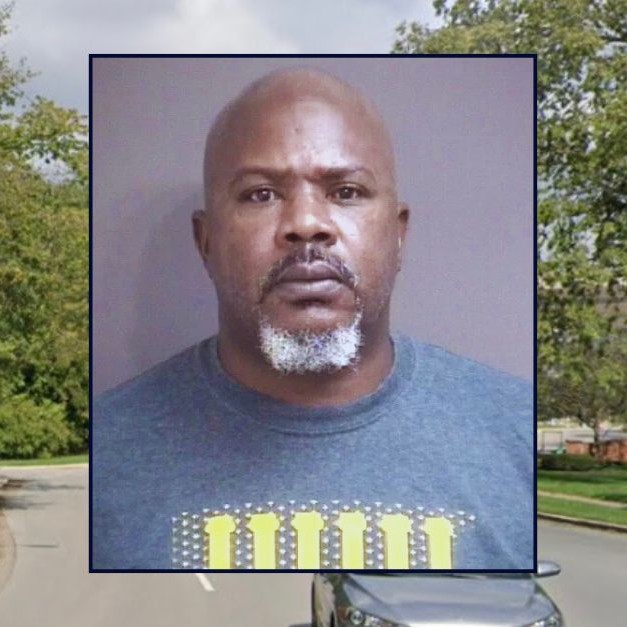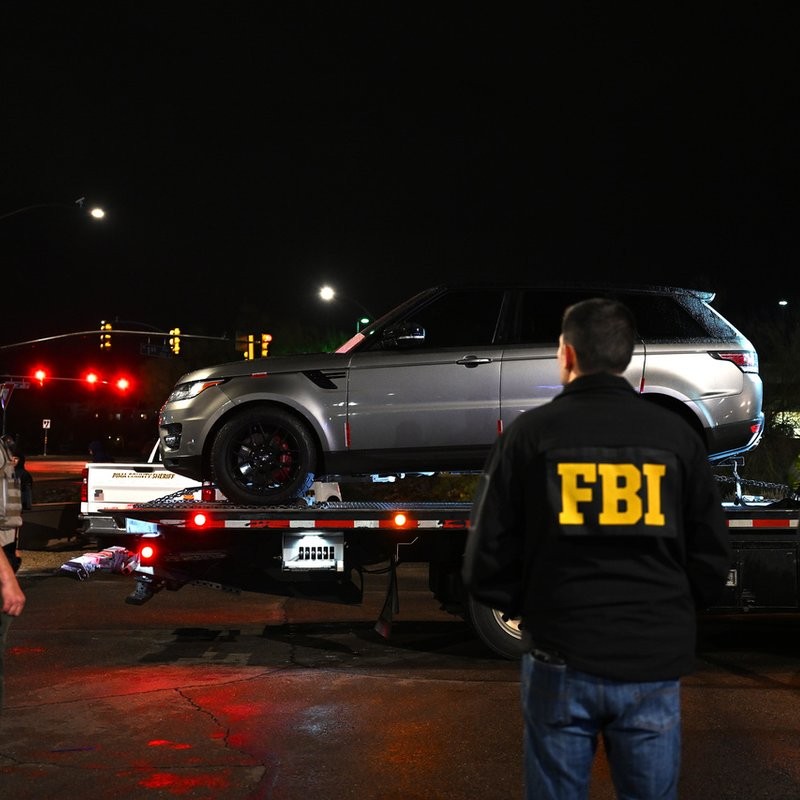



Hundreds of people were taken off Louisiana streets in a four-month crime blitz, yet only a fraction have been clearly tied to the named federal operation, and the public still does not know who was arrested for what, or how many will ever face trial.
TLDR
A four-month, multiagency crackdown across Louisiana produced 742 arrests, 176 seized firearms, and major drug seizures, while leaving unresolved questions about targets, charges, and long term impact.
Beginning in October, a joint effort involving federal agents, local task forces, and two U.S. Attorney districts swept through Central, Northern, and Eastern Louisiana, targeting what officials describe as violent gangs, cartel-connected traffickers, and drug dealers. The push, which included a New Orleans-focused effort branded Operation NOLA Safe, ended with more than 700 arrests statewide, more than 100 seized guns, nearly 300 pounds of illegal narcotics, and over $250,000 in cash.
A Four-Month Blitz Before Mardi Gras
The campaign unfolded quietly at first. In October, agents and task force officers began concentrating on what they called high crime corridors, focusing on gang territories, drug corners, and corridors often linked to trafficking routes. The timing was not random. By late winter, New Orleans would be heading into Mardi Gras season, when crowds swell and violent crime historically spikes.
What emerged over the next four months was a layered operation. Across Central and North Louisiana, teams tracked targets tied to gangs and cartel-linked suppliers. At the same time, in the New Orleans area, a separate but related initiative, Operation NOLA Safe, moved forward under the Eastern District U.S. Attorney.
By the time the dust settled, statewide enforcement produced 742 arrests and the recovery of 176 firearms. In the New Orleans-focused piece alone, 175 arrests were logged. Agents cataloged 114 firearms connected to that segment, along with 20.367 kilograms of cocaine, 1.063 kilograms of fentanyl, 102.006 kilograms of marijuana, and 41,909 tapentadol pills, alongside other illegal narcotics and diverted prescriptions.
Public statements framed the raids as a concentrated push to strip power from violent gangs and the cartels that supply them. Leaders spoke of targeting supply chains, finances, and the upper ranks of criminal networks rather than isolated street-level dealers. The picture painted was one of coordination, with federal investigators, homeland security teams, and local officers moving in concert.
Numbers Without Faces
The numbers are precise. The stories behind them are not.
Press releases and social media posts celebrated the totals. More than 700 arrests. More than 100 firearms. Nearly 300 pounds of illegal narcotics. More than $250,000 in cash. The figures land hard in a state grappling with overdose deaths, persistent gun violence, and multi-generational gang rivalries.
Yet the breakdown remains largely opaque. How many of the 742 arrested are accused of violent offenses, and how many face drug possession or probation violations solely? How many are alleged cartel associates, and how many are neighborhood-level dealers or users swept up during wider searches?
Officials highlighted the presence of fentanyl and cocaine in the seizures, reinforcing a narrative of lethal drugs routed through cartel pipelines into Louisiana neighborhoods. The tapentadol haul points to prescription diversion and pill-based markets that have quietly grown in parallel to heroin and fentanyl.
Even so, the public record offers little clarity on individual defendants. The enforcement surge touched multiple parishes, multiple courts, and multiple charging systems. Some cases will move into federal court, where indictments, plea deals, and sentencing memoranda eventually sketch out who did what. Many others will live in state dockets, where misdemeanor pleas and short jail stints rarely draw notice beyond the families involved.
Cartels, Gangs, and the Message Sent
From the start, the operation was framed as a strike on violent gangs and cartel-connected trafficking. The statewide tally was tied to Mexican cartels in one regional report, drawing a direct line between Bayou State street corners and foreign organizations that ship drugs and launder profits across borders.
Federal agents in New Orleans described a strategy of targeted enforcement in high crime areas, emphasizing that they were following intelligence, surveillance, and community leads rather than casting a purely random dragnet. The language underscored an intent to dismantle networks, not simply pad arrest statistics.
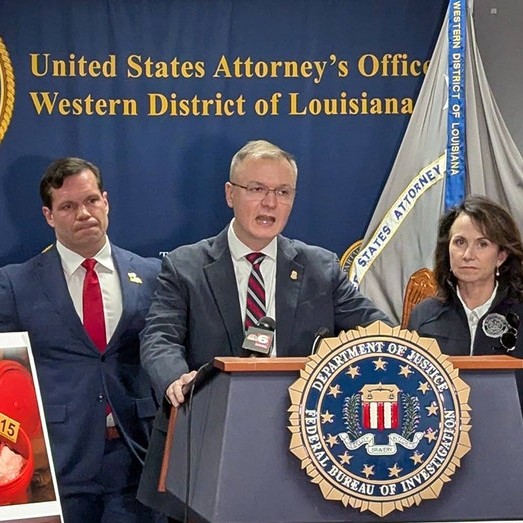
In prepared remarks, the U.S. Attorney for the Western District of Louisiana called the results proof of the power of federal, state, and local collaboration to break apart violent criminal networks. The statement highlighted cartel-connected trafficking as a serious ongoing threat to Louisiana communities and promised continued pursuit of those bringing deadly drugs and firearms into the state.
In New Orleans, Operation NOLA Safe was described as a violent crime abatement campaign designed to run directly into Mardi Gras. The idea was clear. Remove guns, dealers, and active shooters from the streets before parades, tourists, and late-night crowds made the job even harder.
Social media messaging from federal offices emphasized partnerships and volume. One summary touted more than 700 arrests, more than 100 firearms, and nearly 300 pounds of illegal narcotics confiscated. Another stressed that agents and task force officers were using shared expertise to stop criminal activity in its tracks, and vowed a relentless focus on violent crime.
Over 700 arrested amid major gang and drug crackdown in Louisiana. Federal, state and local law enforcement in Louisiana have made more than 700 arrests during a months-long operation against violent crimes and drugs. https://t.co/armwQRMFE6 pic.twitter.com/acNwYQgRJO
— Major Digest (@major_digest) February 13, 2026
Collateral Questions for Communities
The operation promised safety, and in many neighborhoods, residents likely welcomed the sight of traffickers, shooters, and chronic offenders taken away in handcuffs. When a house linked to late-night gunfire suddenly goes dark, or a corner known for overdoses sits quiet for a few weeks, relief is real.
But a crackdown at this scale always raises collateral questions.
Who, exactly, counts among the 742? How many arrests stem from long-running investigations into gangs and cartels, and how many emerged from traffic stops, consent searches, or short-term sweeps aimed at cleaning up open-air markets?
Without case-level data, it is impossible to see how the burden of enforcement is distributed. Communities already saturated with probation checks, stop and frisk encounters, and task force raids may now see even more aggressive tactics justified by the operation’s headline numbers.
There is also the timeline problem. Enforcement bodies describe Operation NOLA Safe as a catalyst for long-term, follow-on investigations. That means some of the arrests so far may represent only the opening move in a broader conspiracy case, while others may amount to quick, low-level charges that resolve quietly with pleas or dismissals.
For families of those arrested, the reality is far more immediate. Jobs are lost when people sit in jail waiting for charges or bond hearings. Housing can vanish when a primary earner disappears into a holding facility. Even if charges are later reduced or dropped, the shock to a household, and to a small business or workplace, remains.
Transparency, Impact, and the Next Phase
Officials have made one promise that stretches beyond Mardi Gras and beyond the current media cycle. The statewide operation is not being treated as a one-off burst of activity. Leaders talk about sustained pressure on cartel supply lines and violent gangs, and about using the intelligence gathered since October to fuel new cases.
That posture raises its own questions. Will the state and its federal partners release regular, detailed updates that show how many of the 742 arrests resulted in indictments, convictions, or dismissals? Will the public see data on sentencing, including how many defendants face long prison terms versus probation, and how those outcomes break down across parishes and racial lines?
On the public safety side, metrics matter just as much. If the operation’s goal is to reduce shootings, overdoses, and gang intimidation in Louisiana neighborhoods, residents will want to know whether gun assaults decline, whether overdose calls drop, and whether the corners and apartment complexes that prompted the blitz in the first place actually grow safer over time.
For now, the story of Louisiana’s four-month crackdown sits in a familiar space. The state has arrest totals, drug weights, and cash counts that point to a serious effort against organized trafficking and violent crime. It does not yet have a clear public ledger of who paid the price, how justice will unfold for each defendant, or whether the next Mardi Gras season will feel any different from the last.
References