



By late afternoon in a Blackfoot trailer park, a 30-year-old woman lay dead on her living room floor, a single 9 mm shell casing nearby, and the teenager who had walked through her door earlier in the day already had an answer ready for why he did it.
TLDR
In Blackfoot, Idaho, 16-year-old Bobby Jackson admitted to stealing a handgun from work and fatally shooting Rebecca Rivera after she refused to give him a ride.
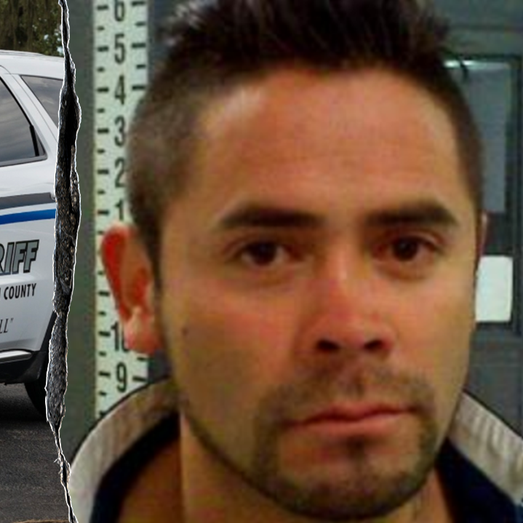
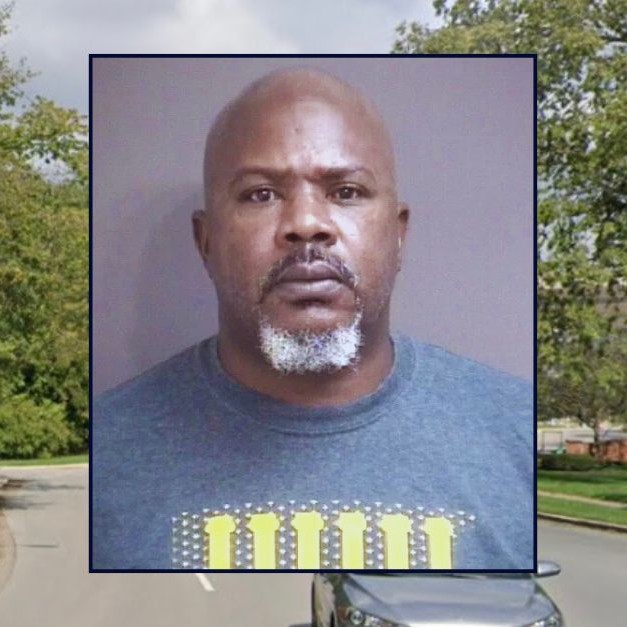
The shooter, 16-year-old Bobby Grant Jackson Jr., has pleaded guilty to second-degree murder in the October 23rd, 2025, killing of 30-year-old Rebecca Rivera inside her mobile home on Broadway Street. The case, built on surveillance footage, ballistics, and Jackson’s own statements, now moves toward sentencing under a plea deal that dropped a first-degree murder charge but left key questions about motive and supervision unanswered.
A Gun Missing From a Lunch Box
The chain of events began far from the trailer park, inside a hospital under renovation where Jackson was working for a subcontractor. That morning, he left his post for what was supposed to be a quick bathroom break and simply did not come back.
Out in the parking area, the owner of a pickup truck kept a handgun tucked inside a lunch box, alongside the ordinary clutter of a workday. At some point while Jackson was unaccounted for, the teen slipped into the truck, opened the lunch box, and walked away with the 9 mm pistol.
Surveillance cameras later captured Jackson entering the truck and reaching inside. When the owner checked the lunch box, the weapon that should have been there was gone, and so was Jackson. The missing gun, loaded with specific ammunition, would matter later.
Investigators later compared that ammunition with the casing recovered from Rivera’s home. The pattern on the casing from the trailer matched the rounds the owner kept in his stolen handgun.
A Refused Ride and a Midday Killing
Broadway Street in Blackfoot is a straight line of gas stations, modest homes, and a trailer park where people come and go without much notice. Sometime after 12:40 p.m., cameras in the neighborhood recorded Jackson moving through the park, asking people for a ride.
Neighbors recalled a lanky teenager, persistent but not yet violent, looking for a way out of the area. He ended up at Rivera’s trailer, in the 1100 block of Broadway, where the two had no known prior relationship. She was 30, living an ordinary life in a small mobile home, and she declined to give him a ride.
What happened next compressed into a few brutal moments. With the stolen 9 mm in hand, Jackson went inside the trailer. Rivera never came out alive.
Family members found her body around 4 p.m., with a fatal gunshot wound to her head, and the shell casing on the floor. There was no sign of a struggle that stretched for minutes, no long standoff, just a sudden act that turned a stranger at the door into a killer and left a family walking into a crime scene instead of a living room.
From Halfway House to Murder Charge
Jackson was not an anonymous kid without a record. Before the shooting, he had already faced an armed robbery case and was living at a halfway house while on probation. The state had judged him serious enough to require supervision, but not so dangerous that he needed to be locked up.
Staff at the halfway house tracked his movements through his phone. On the day of the killing, the phone placed him at a gas station in the 900 block of Broadway Street, just down the road from Rivera’s trailer park. From there, it was a short walk to the place where she died.
By the time Rivera’s body was discovered, Jackson was gone from the area. An arrest warrant for second-degree murder followed, and officers found him the next day at a home in Pocatello, nearly 30 miles away. He was a teenager on probation, now in cuffs on suspicion of killing a woman he had only just met.
Motive Built on Grievance and Imagination
When Jackson finally sat in an interview room, the version of motive that emerged was as blunt as it was unstable. He had asked Rivera for a ride. She refused. He armed himself with the stolen pistol, went back into her home, and shot her.
Under questioning, Jackson connected Rivera in his mind to another death. He believed, without public corroboration, that her brothers were involved in the killing of his friend. In his own account, the shot that killed Rivera was payback for that imagined connection, and a punishment for saying no to his request for a ride.
The story leaves a scar of doubt. Rivera’s relatives are left to confront not just the loss of a daughter, sister, or friend, but the possibility that she died over a mix of rumor, resentment, and coincidence. The case file contains no evidence released to the public that her family had any role in Jackson’s separate grievance.
In the end, there is a straight, chilling line between three acts: a stolen gun in a lunch box, a refused favor in the middle of the day, and a single shot in a trailer that turned an unfounded vendetta into a murder charge.
A Plea Deal Before the Facts Are Fully Tested
Once charged, Jackson initially faced a count of first-degree murder, a label that implies planning, intent, and the highest possible stakes for sentencing. That count did not survive plea negotiations.
In court, Jackson entered a guilty plea to second-degree murder for Rivera’s death. As part of that agreement, the state dropped the first-degree charge. The plea framework steers the judge toward a sentence somewhere between 20 and 27 years in prison, a range heavy enough to keep Jackson locked up through much of his adult life, but short of the most severe punishment available.
Sentencing is set for March 4th. Until then, the case sits in a kind of limbo: the defendant has accepted legal responsibility, but the public will not see the inside of a full trial, with contested testimony and a jury forced to piece together motive, opportunity, and state failures.
Systems That Look the Other Way
The outlines of the day raise questions that a guilty plea cannot fully resolve. A teenager on probation left a job site, walked into a coworker’s vehicle, and stole a loaded handgun from a lunch box. A halfway house meant to monitor a youth with an armed robbery history tracked his movements, but did not stop him from drifting from a gas station toward a trailer park. A woman with no documented link to his earlier grievances ended up dead in her own home.
Why was a live weapon stored in something as casual as a lunch box on an active worksite, accessible to anyone who slipped away for a few minutes? How did a 16-year-old on probation move across town long enough to steal a gun, roam a trailer park, and commit a killing without any intervention from the systems assigned to watch him?
In Blackfoot, Rivera’s death is officially solved, at least in the narrow sense that the shooter has admitted what he did and waits for a judge to decide how long he will spend behind bars. Yet the broader story involves a stolen gun that should never have been there, supervision that did not hold, and a motive that leans more on anger than on fact.
Those pieces will not be cross-examined in a courtroom now that a plea has closed the door on trial. They remain instead in the background, lingering over a quiet trailer park where one refused ride on an ordinary day turned into a killing no sentence can fully explain.
References