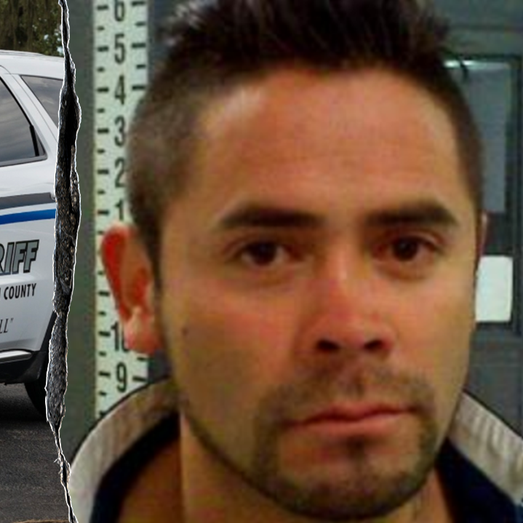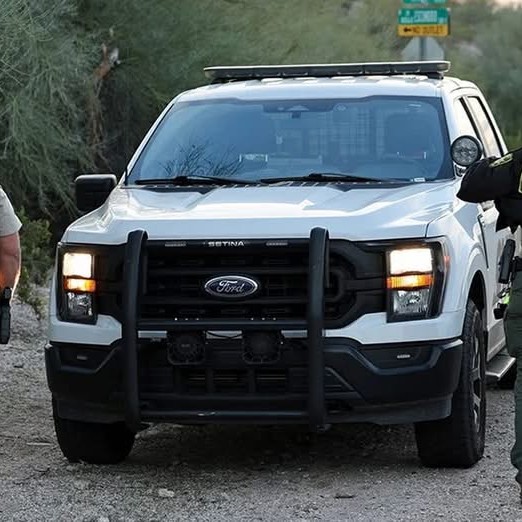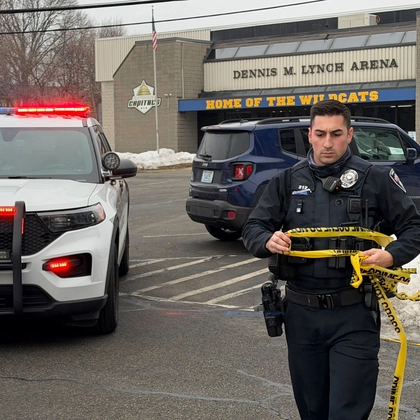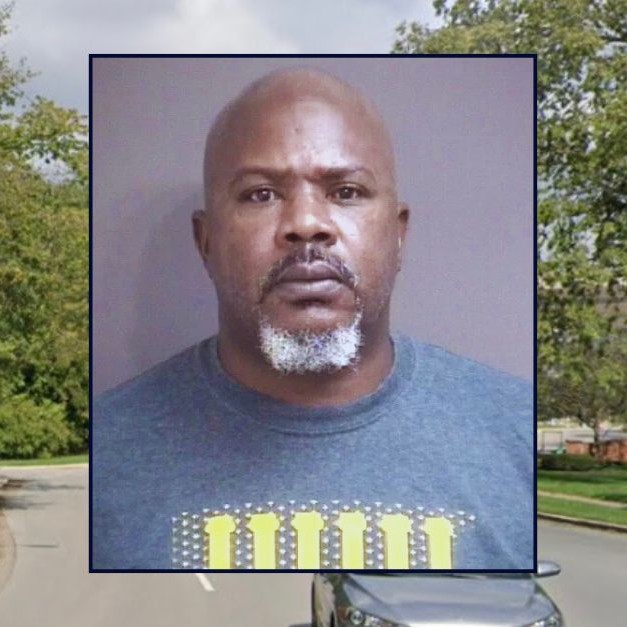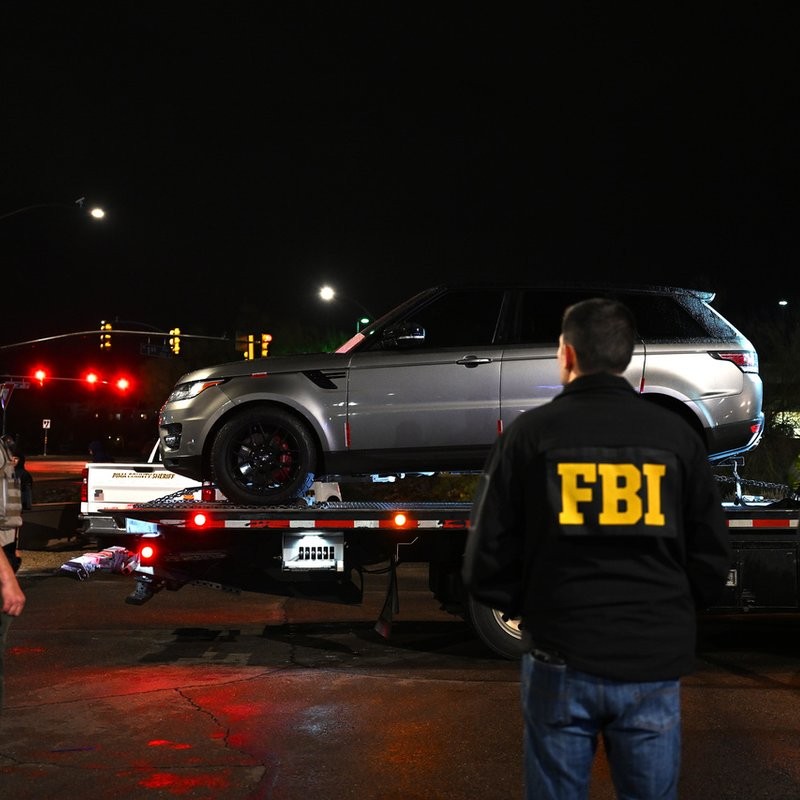



Fifty-six federal arrest warrants, 55 people in cuffs, and one gun recovered. For an operation that federal agents say is dismantling a major fentanyl pipeline from China, the math is already raising questions.
On December 10th, 2025, in and around Atlanta, the FBI rolled out Operation Powder Island, a coordinated takedown of what officials call a Georgia-based drug trafficking ring tied to an overseas supplier in China. The bureau says 55 people are now in custody on narcotics and gun charges. What remains murky is how much fentanyl, if any, was seized, how solid the link to China really is, and why a supposedly sprawling drug network yielded so little visible evidence on the day of the sweep.
The FBI arrested 55 individuals on Wednesday morning in a sweeping crackdown on a Georgia-based drug trafficking ring accused of flooding U.S. streets with fentanyl and other narcotics. Dubbed “Operation Powder Island,” the mission targeted an organization with direct links to a… pic.twitter.com/usPKfCqfLH
— Spotlight on China (@spotlightoncn) February 5, 2026
The Numbers That Do Not Line Up
According to federal officials, FBI Atlanta, with help from field offices in Jacksonville, Charlotte, Dallas, and Buffalo, executed 56 federal arrest warrants before most people had finished their morning coffee. They say 54 suspects were physically arrested across multiple jurisdictions, one more is scheduled to surrender, and another will be picked up when he returns from work-related travel.
Yet in the same breath, the bureau is touting the operation as the arrest of 55 individuals on Wednesday morning. The extra warrant, the missing body, and the elastic headcount are the kind of small discrepancies that rarely make it past the press conference, but they can matter once a case lands in federal court. Was someone miscounted, misidentified, or quietly cut loose before the cameras rolled?
The inventory from the operation is even harder to square with the rhetoric. Law enforcement seized exactly one gun during the arrests. No search warrants were executed as part of the takedown. In a case framed as a strike at a deadly narcotics pipeline, there were no publicly announced seizures of fentanyl, heroin, pill presses, cash, or cutting agents on that morning.
Instead, the operation looks, from the outside, like a pure grab of people. SWAT teams from FBI Atlanta and Jacksonville provided tactical support, stacking up on doors and moving suspects into custody, while whatever drugs and money fueled the alleged ring remained largely invisible to the public record.
Operation Powder Island Moves Fast
Federal takedowns are built on long lead time, surveillance, and patience. By the time agents move, the case file is usually thick. Undercover buys have been made, phones have been tapped, and confidential sources have traded information for their own freedom.
Operation Powder Island fits part of that playbook. Officials describe it as a major investigation into a network moving large volumes of dangerous narcotics across Georgia and beyond, with fentanyl at its center. The arrest warrants, all federal, suggest a conspiracy wired together in advance, not a series of improvisational street busts.
Yet the speed and cleanliness of the arrests, without accompanying search warrants, hint at a specific strategy. Agents were not kicking in stash house doors looking for bricks of powder. They were executing paperwork. If physical drugs were ever seized in this case, it likely happened earlier, in controlled buys, traffic stops, or quiet searches that never got the headline treatment.
For defense attorneys who will inherit these cases, that distinction matters. When a major drug case drops with more bodies than evidence boxes, questions about informants, surveillance methods, and plea deals move to the front of the line. Who in this ring was talking to the government before the pre-dawn knock came to everyone else?
The China Connection on Paper
Buried in the official description of Powder Island is the hook that turns a regional drug case into a national story. Investigators say they identified at least one suspect who was communicating with an overseas supplier based in China. That single thread is doing a lot of work.
In public, officials now talk about the operation as proof of the international reach of modern drug trafficking networks, tying Atlanta streets to Chinese sources that flood the United States with synthetic opioids. But the case details released so far do not name the supplier, describe the messages, or explain whether the contact was direct, sustained, or filtered through brokers.
Without search warrants on the day of the arrests, the phones and laptops that might contain those communications were not being scooped up in dramatic fashion. If prosecutors already have those messages, they were obtained earlier, through sealed electronic surveillance orders, prior border seizures, or cooperation deals. If they do not, then the China angle rests heavily on what one or two defendants are alleged to have said or done months before the roundup.
In federal court, the difference is crucial. A string of verified messages between Georgia suspects and a known Chinese fentanyl broker is the spine of a transnational conspiracy. A few vague references in a cooperating witness’s interview notes are something else entirely.
Politics at the Podium
When FBI Director Kash Patel stepped in front of the cameras, he did not spend much time on the gaps. Instead, he folded Powder Island into a larger story about power in Washington.
Patel credited the arrests to aggressive enforcement under President Donald Trump and Attorney General Pam Bondi, framing the operation as part of a nationwide crackdown on drug trafficking organizations. He said the FBI, under this leadership, has taken more than 30% more deadly narcotics off the streets in 2025 than in 2024, describing enforcement at levels never seen.
In his telling, the arrest of 55 individuals in Georgia is the latest step in an effort to crush the drug trafficking industry, cutting down not only dealers but the funding and supply networks that keep them stocked. The bureau, Patel promised, would continue a 24/7, full-throttle mission to save lives and clear narcotics from American neighborhoods.
What Patel did not offer were specifics. No drug weight totals from Powder Island. No breakdown of how many of the arrested are alleged leaders, how many are street-level sellers, and how many are relatives or roommates swept up on conspiracy counts. No detail on whether any of the 55 are accused directly of dealing fentanyl that caused fatal overdoses.
In that space, the usual political incentives take over. Big arrest numbers and tough language travel quickly. The quieter questions about evidence, proportionality, and long-term impact do not.
What the Case Still Hides
If Operation Powder Island is as significant as officials claim, the proof will not be in the press release. It will be in the indictments, detention hearings, plea agreements, and trial transcripts that follow.
Right now, the public does not know how many separate indictments lie behind those 56 warrants, or which agency led the underlying investigation. It is unclear whether the alleged Chinese supplier has been charged in the United States, remains abroad and unnamed, or exists only as a coded entry in someone else’s case file.
There is no public accounting of how much fentanyl this ring is believed to have moved, how many overdose deaths are linked to its product, or how long the network allegedly operated before federal agents stepped in. Those numbers will determine whether this is the takedown of a major source or the roundup of one more mid-level crew in an endless supply chain.
The unanswered procedural questions linger, too. Why did a case described as a major narcotics operation involve no search warrants on the day of action? If the drugs and cash were already seized earlier, why not release those figures when selling the operation to the public? If they were not, how many suppliers and customers have already shifted their routes in the time it took agents to work their way up the ladder?
For now, what is certain is this. Fifty-five people sit under federal narcotics and gun charges tied to a case whose most dramatic details remain largely unseen. Somewhere in sealed affidavits and evidence lockers is the story of what Operation Powder Island truly accomplished, and what it only claimed to do.
The rest will surface slowly, in courtrooms far from the cameras that celebrated the takedown. Until then, the gap between the sweep’s scale on paper and its thin haul in public view hangs over one of the year’s most heavily advertised drug busts.