


Eleven days after a Utah grandmother checked into a rehab bed to recover from hip surgery, a wound began to open on her skin. Eleven months later, that wound and the infection inside it were listed on her death certificate, and a lawsuit now asks why no one in the nursing home stopped the slide from routine recovery to sepsis.
TLDR
Utah family sues Rocky Mountain Care, alleging chronic understaffing and neglect turned a routine rehab stay into a fatal MRSA and sepsis bedsore case.
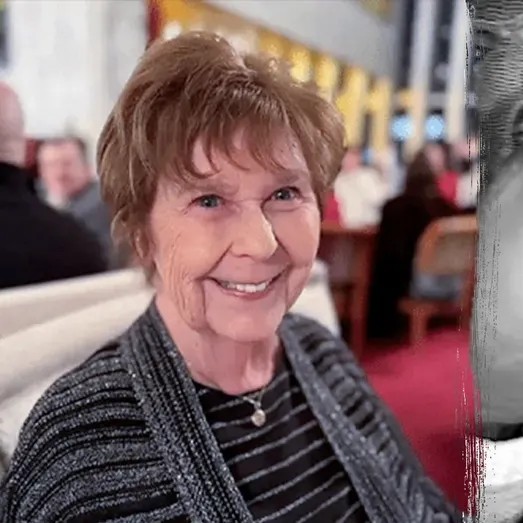
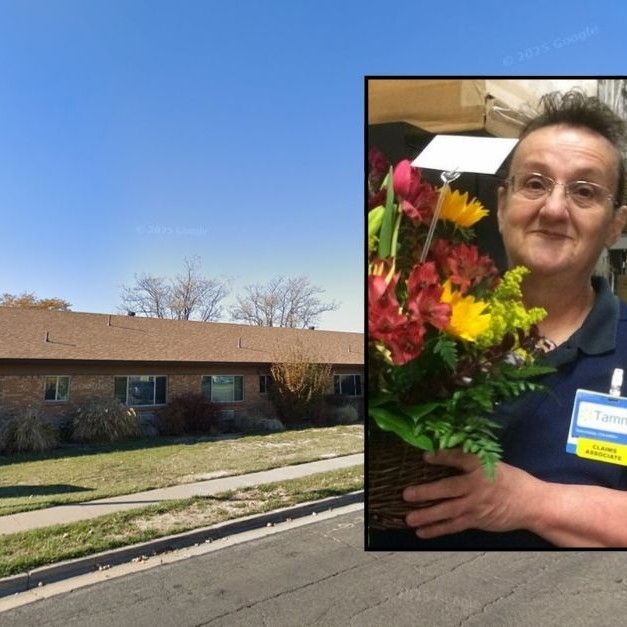
Tamara “Tammy” Bircumshaw, a 66-year-old Walmart greeter from Layton, Utah, entered Rocky Mountain Care in Clearfield in July 2022 after hip surgery tied to an earlier work-related back injury. Her family expected a short rehabilitation, another hip surgery, then a return to life as a grandmother who liked greeting customers at the front of a store. Instead, she developed multiple pressure ulcers, contracted MRSA, spiraled into sepsis, and died in July 2023. Her relatives now accuse the facility in a civil lawsuit of “total neglect” and chronic understaffing.
A Routine Job That Turned Into Surgery
Before the lawsuit, there was a shift at Walmart that did not go as planned. Bircumshaw injured her back on the job, an injury serious enough to require back surgery. Even after that operation, pain and mobility problems lingered. Her hips began to deteriorate, and doctors scheduled her for hip replacement surgery, the kind of major procedure that often routes older patients into short-term nursing care while they regain strength.
For her family, the plan sounded straightforward. Tammy would recover from the first hip surgery at Rocky Mountain Care, then head back to the hospital for the other hip. The bed at the Clearfield facility was supposed to be a temporary stop between two operating rooms and, eventually, her own front door.
In those early days, relatives remember a woman who still recognized herself. In their telling, she was upbeat, hopeful, and determined to get through therapy so she could walk without agony. Then the decline began.
Eleven Days to a Pressure Ulcer
The civil complaint lays out a tight and unforgiving timeline. Eleven days after her admission in July 2022, staff documented a pressure sore beginning to form on Bircumshaw’s body. What might have started as reddened skin and discomfort evolved, over the following months, into an open wound that destroyed tissue and exposed her to aggressive infection.
The sore grew large enough to derail the medical plan that had put her in Rocky Mountain Care in the first place. When she returned to the hospital expecting her second hip replacement, the surgeon did not move ahead. The opening on her body was too big, too risky, a portal for bacteria in a patient whose immune system already had enough to manage.
Her son remembers the shock on the other end of the phone. The operating room call that should have been an update on a completed procedure instead delivered a warning: the wound on Tammy’s body was so large that the surgeon would not touch the hip.
From that moment, Bircumshaw was effectively trapped between two failed plans. Her body was not stable enough for more orthopedic surgery, and the nursing home bed that was supposed to be temporary became the place where the wound deepened.
From Bedsore to MRSA to Sepsis
Within a month of the canceled surgery, medical tests showed that Bircumshaw was positive for MRSA, a drug-resistant staph infection that can move quickly through open skin. Her family now ties that infection directly to the pressure ulcers that had formed while she lay in the facility’s care.
Yet the complaint alleges that specialized wound care did not begin until December 27th, 2022, roughly five months after she first arrived at Rocky Mountain Care. By that point, one sore had been diagnosed as a stage-4 pressure ulcer, the most severe classification, and she had developed three bedsores in total.
One of those wounds measured about 11 by 10 by 4 centimeters, roughly the size of two smartphones laid side by side. At that size and depth, a pressure ulcer is no longer a minor complication of bed rest. It is a tunnel into the body, a direct line to the bloodstream, and an almost daily risk of new bacteria seeding themselves into tissue.
For Bircumshaw, the wound became the center of her final months. The lawsuit connects the breakdown of her skin to systemic infection, organ damage, and ultimately sepsis, the runaway inflammatory response that appears on so many death certificates that begin with the quiet phrase “pressure sore.” The grandmother who once asked passing customers how their day was going ended her life in a hospital bed, fighting a blood infection that her family believes should never have started.
Allegations of Chronic Understaffing
The lawsuit does not read like a list of isolated mistakes. It frames Rocky Mountain Care as a facility stretched too thin to meet basic standards of care, describing it as “chronically understaffed” and incapable of turning, monitoring, and treating residents the way their conditions require.
In interviews, Bircumshaw’s family has not spared their language. Her son describes her final decline as the direct result of “total neglect,” words that carry particular weight in a case built around the slow development of bedsores. Pressure ulcers, by definition, form where bone and skin meet under sustained pressure. They appear when bodies are left in the same position too long, when skin is not checked frequently enough, and when pain complaints are brushed aside as routine.
Inside the complaint, the family portrays a facility where those protections broke down. Each day that passed without targeted wound care is treated as another missed chance to reverse the damage. Each delay in escalating treatment, each decision to keep her in the same bed instead of seeking more aggressive intervention, becomes another link in a chain that ends with a 66-year-old grandmother dying of sepsis.
The facility now sits at the center of a conflict between what appears on paper and what the family remembers. Charts and care plans exist on one side. On the other are the images that relatives cannot forget, of a woman who arrived at the nursing home after surgery and left it with wounds large enough to cancel further operations.
The Final Night
As Bircumshaw’s infection worsened, the distance between who she had been and who she had become grew sharper. Her son describes visits in which the once-cheerful greeter lay in bed, miserable and in constant pain, her world shrunk to the perimeter of a mattress and the timing of the next medication.
On her last night alive, she barely spoke. The family remembers one clear sentence, directed at a grandson: she told him she loved him. It was the only thing she said that night. By morning, she was gone.
In the lawsuit’s narrative, that quiet goodbye is more than a family memory. It is the endpoint of a year-long arc in which a treatable injury from work collapsed into a fatal chain of medical complications. The legal papers now filed in Utah courts use that arc as evidence that the nursing home failed at its most basic task: keeping a vulnerable resident from being harmed by the very bed that was supposed to help her heal.
A Civil Case With Criminal Echoes
The case against Rocky Mountain Care is civil, framed in terms of negligence and damages, not handcuffs and arraignments. Still, the language of the complaint edges into territory more often associated with criminal courtrooms, with references to reckless disregard, conscious decisions to understaff, and patterns of behavior that place profit and convenience above patient safety.
For families who have watched loved ones decline in long-term care, the story feels familiar. The faces and facility names change, but the elements repeat: a preventable injury, a wound that goes unnoticed or untreated too long, an infection that thrives in the gap between what should have happened and what actually did.
In that sense, the Bircumshaw lawsuit is about more than one grandmother in Northern Utah. It is about the thin line between civil neglect and conduct that starts to look like something closer to criminal when laid out in black and white. At what point does a pattern of missed rounds, delayed interventions, and ignored warnings stop being a staffing problem and start becoming a form of systemic abuse?
Unanswered Questions Around Oversight
The complaint raises as many questions as it answers. How many other residents developed serious pressure ulcers during the same period at Rocky Mountain Care? Were regulators aware of the staffing levels alleged in the lawsuit, and if so, what did they do about it? What internal alarms, if any, went off when a woman who arrived for short-term rehab remained in a bed long enough for a stage-4 wound to develop?
Federal and state rules already treat serious bedsores as never-events, injuries that signal a breakdown in routine care. Yet enforcement of those rules often happens long after the harm, during chart reviews and post-incident inspections, when the resident whose file is under scrutiny is already gone. In Bircumshaw’s case, the enforcement mechanism is now a grieving family and a civil courtroom, years after the first signs of redness appeared on her skin.
Rocky Mountain Care can contest every allegation, challenge every timeline, and argue that it met the standard of care in a complex medical case. The family can continue to point to the size of the wound, the gap before specialized treatment began, and the MRSA and sepsis that followed. Somewhere between those competing narratives sits the question that haunts every pressure ulcer case: if someone had acted earlier, would the resident still be alive?
Until a judge or jury weighs the evidence, the only certainty is the hole left in the Layton family. The woman who once stood at a store entrance greeting strangers now exists mostly in photographs, medical records, and legal filings, her death transformed into a test of what responsibility a nursing home really bears when routine care turns deadly.