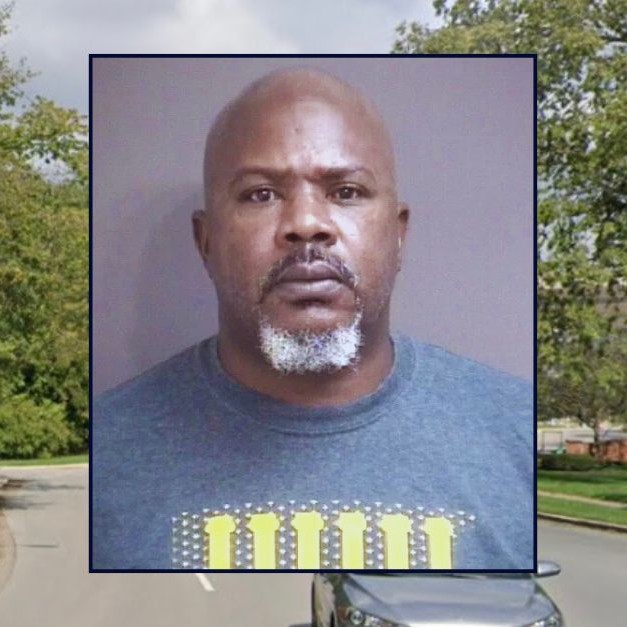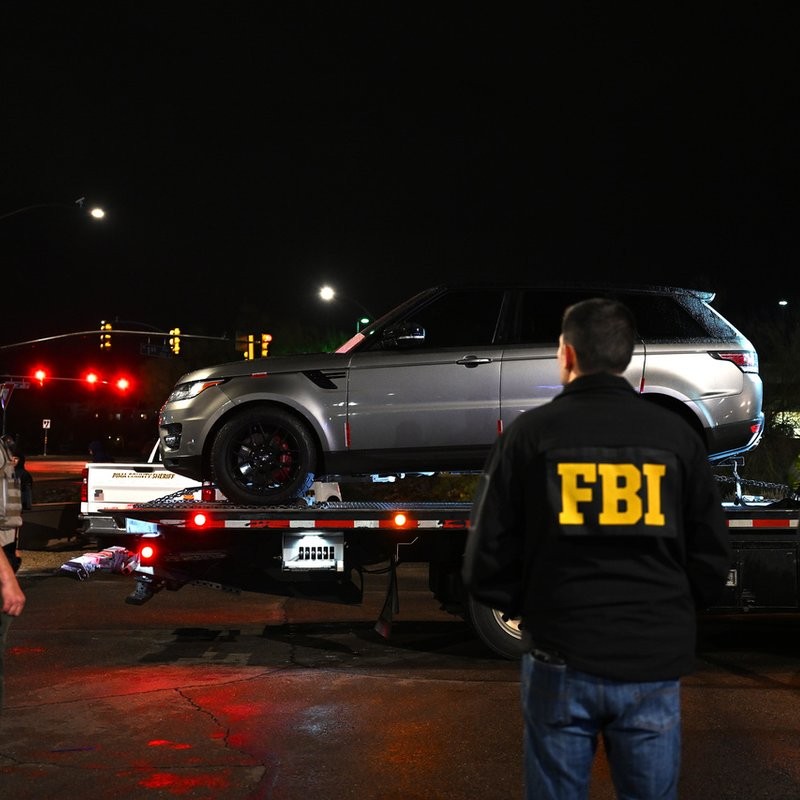




Less than three hours after retreating to deliberate, a rural South Carolina jury returned with a verdict that would end a century of local legal dynasty, even though no murder weapon was ever recovered and the only voices from the crime scene came from a dead man’s phone.
TLDR
Disbarred lawyer Alex Murdaugh was convicted of murdering his wife, Maggie, and son, Paul, at the family estate, unraveling his powerful legal legacy and exposing years of financial crimes.
On June 7th, 2021, Maggie and Paul Murdaugh were found shot to death near the dog kennels on the family’s Moselle hunting estate in Colleton County, South Carolina. Their husband and father, prominent attorney Alex Murdaugh, insisted he had discovered the bodies after visiting his ailing mother, but digital traces, financial pressure, and a video captured on Paul’s phone pushed a jury to reject that story and convict him of two counts of murder.
Three Hours to Decide a Life Sentence
The speed of the jury’s decision stunned courtroom observers. After six weeks of testimony, dozens of witnesses, and a parade of experts, the panel weighed Alex Murdaugh’s fate for roughly the length of a movie. When they returned, the foreperson announced guilty on all counts.
To some, the timeline suggested an open and shut case. Yet the evidence was anything but simple. No one saw the shootings. The rifles and shotgun that fired the fatal rounds were missing. The state leaned on a tight digital timeline, circumstantial financial motive, and the defendant’s own shifting story to close the gap.
The verdict raised a hard question that still hangs over the case. Was the jury reacting to the specific evidence from Moselle, or to the broader portrait of a man who had lied, stolen, and manipulated for years while wrapped in the respectability of an old Southern legal name?
A Dynasty Built on Cases and Cash
For generations, the Murdaugh name meant power in South Carolina’s Lowcountry. Three members of the family served consecutively as the region’s elected prosecutors for most of the 20th century. Alex Murdaugh, a civil litigator, operated in that shadow, bringing injury and wrongful death cases that generated significant fees.
Behind the courtroom victories and charity work, another story unfolded. Clients’ settlement checks disappeared or arrived with unexplained reductions. A housekeeper’s family signed over their rights to a life changing insurance payout that never reached them. Colleagues trusted Alex Murdaugh to handle the money, and he exploited that trust.
By the summer of 2021, that hidden economy was close to collapse. A colleague confronted him about missing funds. A lawsuit over a deadly 2019 boat crash involving Paul threatened to expose the family’s finances. At the same time, Alex Murdaugh was consuming large quantities of opioids, deepening the financial bleed and warping his judgment.
The prosecution’s theory was blunt. The murders at Moselle were not only an act of violence, but a desperate attempt to reset the board. A grieving father and husband, the argument went, would draw sympathy, delay lawsuits, and redirect attention away from the money.
The Night at Moselle
On the night of June 7th, 2021, Maggie and Paul spent time at the kennels on the sprawling 1,700-acre property. Paul filmed a short video for a friend’s dog around 8:44 p.m. In the background of that clip, three voices can be heard, including Alex Murdaugh’s.
This 50-second fragment, recovered from Paul’s phone, became the hinge of the case. Until it surfaced, Alex Murdaugh insisted that he had remained at the main house, then left to visit his mother, only discovering the bodies upon his return. The kennel video anchored him at the scene minutes before the estimated time of death and conflicted with his original alibi.
Data from Maggie’s and Paul’s phones showed abrupt stops in activity shortly after the video. Vehicle telematics from Alex Murdaugh’s SUV recorded a drive to and from his mother’s home. Back at Moselle, a frantic 911 call went out at 10:07 p.m., with Murdaugh reporting that he had arrived to find his wife and son shot near the kennels.
Crime scene photographs documented multiple shotgun wounds to Paul and several rifle shots to Maggie. Spent casings around Maggie linked ballistically to other ammunition on the property. A family-owned rifle of the same make had once existed at Moselle, but by the time investigators searched, it was gone.
The absence of the weapons left a void in the state’s narrative. No blood-soaked clothes were found, no neighbor placed a stranger’s vehicle on the isolated driveway, and no confession emerged. The state’s story relied on the convergence of digital timelines, ballistic patterns, and the defendant’s own lies to fill the space where a gun and an eyewitness would normally stand.
The Collapse of a Local Power
During the trial, the courtroom heard a catalog of betrayals that stretched far beyond Moselle. Former clients, some disabled or grieving, described settlement checks that never arrived. A banker recounted loans structured around phantom assets. Colleagues from the law firm shared how trust had masked a long-running theft.
Under pressure from that evidence, Alex Murdaugh took the stand and admitted to years of stealing and to lying about being at the kennels that night. He blamed a crippling opioid addiction for his crimes and insisted that he did not kill his family.
The confession to lying cut through the defense. If he could stand in the courtroom and acknowledge a major deception about his whereabouts, jurors were invited to question every other part of his story. The line between financial fraud and lethal violence grew thinner with each admission.
At sentencing, the judge framed the two life terms as a reckoning not only for the murders, but for the corrosion of public trust. A man who had spent his career in and around the courthouse would now live out his days under the control of the same system his family once helped run.
Unanswered Questions After the Verdict
The guilty verdict did not settle every question around Moselle. No one ever produced the rifles or shotgun used in the killings. The route and method used to dispose of those weapons remain speculative. Without them, certain forensic tests that could have bolstered or undermined the state’s case will never be run.
The precise timing of the shootings also leaves narrow spaces for doubt. Digital records shrink the window, but they do not cinch it completely shut. The drive to and from Alex Murdaugh’s mother’s house, the movements of his phone, and the gaps in activity on the victims’ devices form a tight but ultimately circumstantial frame.
Beyond the murders, dozens of financial charges continue to trail him. Alleged schemes involving stolen fees, insurance payouts, and a botched roadside shooting are still winding through separate dockets. Each new hearing threatens to expose more about how long the Murdaugh operation functioned without serious external challenge.
The case also leaves a lingering question for the community that once treated the family name as a shortcut to credibility. How many warning signs were visible years before Moselle, and how many people chose not to push too hard because the costs of confrontation felt too high?
Appeals are already in motion, focusing on jury issues and the volume of financial crime evidence allowed at trial. Even if those efforts fail, the Moselle murders will continue to draw scrutiny, not only because of who fired the shots, but because of who looked away in the years before the gunfire shattered a quiet stretch of low country night.
TODAY: Alex Murdaugh’s defense team will appeal his double life sentence before the South Carolina Supreme Court.
517 How to watch proceedings live: https://t.co/WbSfW03HTt pic.twitter.com/gijBq1HxDm
— WCBD News 2 | Count on 2 (@WCBD) February 11, 2026
References