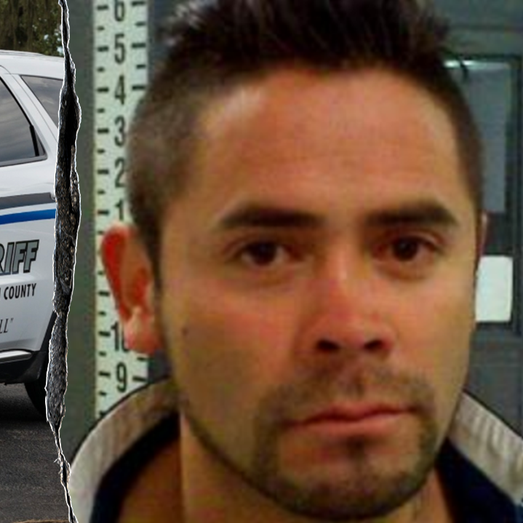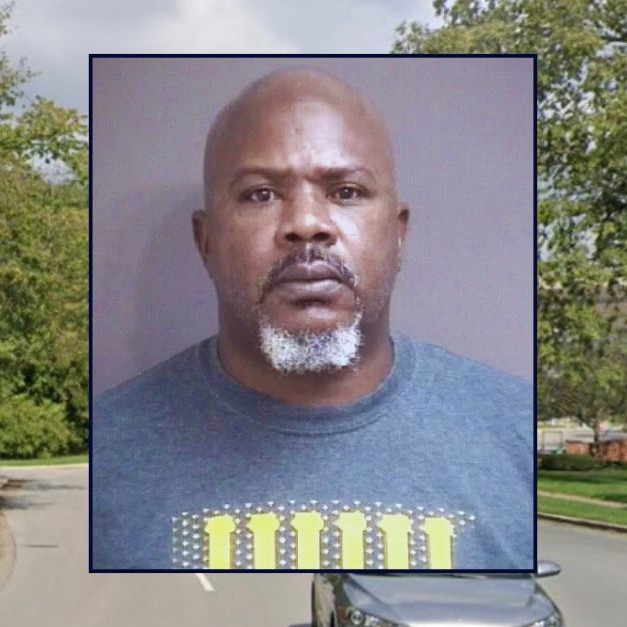



On paper, he belongs to two different cartels. In Mexico, security officials say Ivan Valerio Sainz Salazar ran a faction linked to the Beltran Leyva organization. In a newly unsealed US indictment, prosecutors describe the same 40-year-old as a key fentanyl producer for the Chapitos wing of the Sinaloa cartel. How can one man sit at the center of rival drug empires without someone looking the other way?
Federal prosecutors say Sainz Salazar spent years churning out fentanyl pills in the mountains of Sinaloa, protected by machine guns, while his product flooded US cities and fueled record overdose deaths. Mexican authorities arrested him on January 19th, 2026, in Badiraguato, the birthplace of Joaquin “El Chapo” Guzman. Only after that arrest did the United States reveal the case it had been quietly building, and the stakes now stretch far beyond one alleged chemist.
Two Different Cartels on Paper
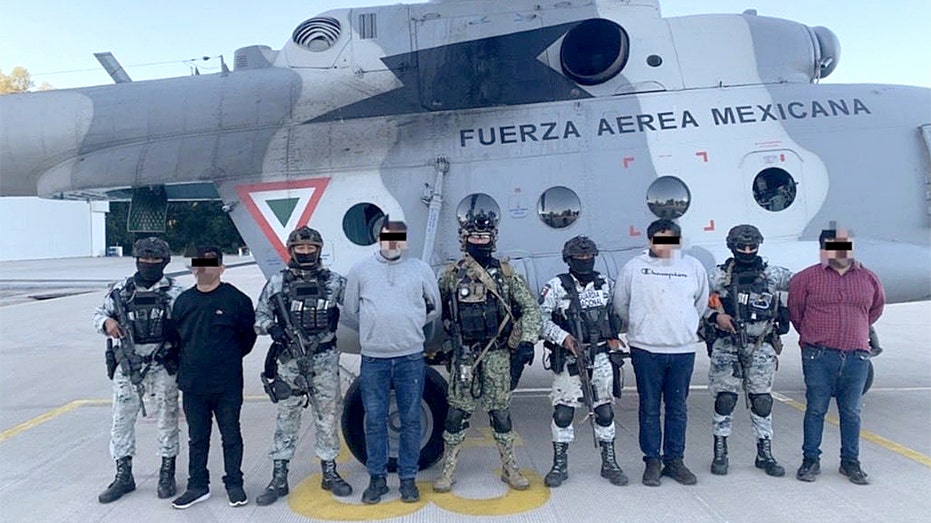
The public first heard Sainz Salazar’s name through a social media post, not a courtroom filing. Omar Garcia Harfuch, Mexico’s Secretary of Security and Civilian Protection, announced that federal forces had detained “Ivan Valerio N., alias ‘Mantecas,’ leader of a faction linked to the Beltran Leyva organization.” He described an operation by the National Guard, the Mexican Army, and the Air Force that netted seven alleged associates, firearms, vehicles, and a synthetic drug production center.
Alleged Sinaloa Cartel fentanyl producer charged in newly unsealed US federal indictment https://t.co/50icoq5km1 pic.twitter.com/bvZ56PX24F
— New York Post (@nypost) February 6, 2026
Hours later, US officials told a different story. In an indictment unsealed after the raid, prosecutors in the United States described Sainz Salazar as a major producer for the Sinaloa cartel’s Chapitos faction. The sons of El Chapo, they say, relied on his labs to manufacture millions of fentanyl pills destined for the US market.
The paperwork is blunt. From roughly 2022 through 2025, according to the indictment, Sainz Salazar allegedly supervised fentanyl production sites, arranged transactions under armed protection, and kept a pipeline of pills flowing north. The charges frame him not as a freelance cook but as an essential node in the Chapitos’ supply chain, trusted with both chemistry and logistics.
The Mexican version places him in the orbit of a cartel that once battled El Chapo for territory. The US version casts him as an engine inside the Sinaloa machine, his supposed rivals fought. Neither can be entirely right, yet both governments insist they are.
From Mountain Labs to US Streets
The indictment follows a familiar formula, but the numbers behind it are anything but routine. Prosecutors say the Sinaloa cartel remains one of the primary drivers of fentanyl entering the United States, a synthetic opioid dozens of times more potent than heroin and implicated in tens of thousands of deaths every year. For investigators, the challenge is no longer proving that link. It is identifying the people who turn precursor chemicals into currency.
In Sinaloa’s remote hills, those people rarely have public names. They are known instead by their aliases and the specific shade, stamp, or press they give to the pills. The nickname “Mantecas” began whispering through law enforcement channels as overdoses spiked in US cities and fentanyl tablets with a consistent chemical fingerprint and branding began appearing from the Midwest to the East Coast.
Agents and analysts watched as intelligence reports tied those pills to labs hidden on ranches and in warehouses near Badiraguato. They mapped shipments, intercepted couriers, and collected testimony from low-level traffickers who described guarded processing sites with industrial mixers, pill presses, and armed sentries. Again and again, one figure surfaced, a man who did not carry the cartel’s brand on his face or his social media, but whose work product was visible on morgue tables and evidence trays.
US Attorney Jay Clayton chose simple language when the indictment became public. “As alleged, Sainz Salazar served as a major producer of the Sinaloa cartel’s fentanyl shipments bound for the United States,” he said. “Fentanyl kills, and violent dealers in fentanyl must be taken off our streets.” Behind that sentence sits a more complicated reality. The pills did not jump the border alone. They moved through tunnels, stash houses, and trucking lines that stretched from rural Mexico to American suburbs.
Prosecutors say the Chapitos relied on armed crews to protect those routes. The indictment against Sainz Salazar does not just mention drugs. It charges him with using and possessing machine guns and destructive devices in connection with the conspiracy. One weapons count carries a 30-year mandatory minimum, on top of drug counts that themselves carry 10-year minimum sentences and a maximum of life.
For a defendant accused of working in the shadows, his legal exposure is sharply defined. The question is who else those weapons were really protecting.
Unsealed Indictment, Unanswered Questions
When Mexican forces swooped into Badiraguato, there was no public mention of a waiting US case. Garcia Harfuch framed the operation as a domestic victory, a multi-agency strike against a local criminal faction. Only after the arrest did the Department of Justice reveal its indictment and label Sainz Salazar a Chapitos producer.
That timing raises several questions. How long had US prosecutors been sitting on the charges, and what triggered the decision to unseal them? Were Mexican authorities acting on a US request, or did Washington scramble to attach its case to a fugitive who suddenly had a face and a booking photo?
There is also the matter of cartel labels. In Mexico’s public narrative, tying a target to the Beltran Leyva organization avoids directly crediting Sinaloa, a syndicate whose political and social reach runs deep in the northwest. In the US narrative, tracing fentanyl to the Chapitos helps solidify a broader strategy that has already indicted El Chapo’s sons, seized assets, and pressured foreign chemical suppliers.
Somewhere between those two versions sits the defendant, a man who allegedly mixed enough fentanyl to poison cities but who lived, until his arrest, outside the public imagination. His appearance in both storylines suggests a busy overlap between rival cartels, shared chemists, or at least a willingness among traffickers to rent expertise to the highest bidder.
Prosecutors will not say publicly which informants or wiretaps led them to Sainz Salazar. Mexican authorities have not explained how long they watched his operations before moving in. Meanwhile, overdose numbers in the United States continue upward, and fentanyl pills continue to appear in markets that had not seen the drug a decade ago.
Leverage, Plea Deals, and Silence
Sainz Salazar enters this case at a moment when the Chapitos’ brand is already under federal pressure. Joaquin Guzman Lopez, one of El Chapo’s sons, pleaded guilty in a Chicago courtroom to drug trafficking and continuing criminal enterprise charges. His brother, Ovidio Guzman Lopez, once presented as a rising prince inside Sinaloa, has also accepted a plea deal on trafficking and money laundering counts.
Each agreement carved away a piece of the myth that cartel heirs are untouchable. Each, prosecutors hope, peeled back the operational map inside a group that built a multibillion-dollar drug pipeline into the United States. Now, the alleged chemist who supplied their fentanyl faces a choice of his own.
Conspiracy charges and weapons counts are built for leverage. By stacking mandatory minimums, the Justice Department can present a defendant with a simple equation. Cooperate and shave decades off the sentence, or fight and risk dying in prison. For a 40-year-old accused of spending years in clandestine labs, the difference between 10 years and life without parole is not academic.
What Sainz Salazar might know could stretch well beyond pill recipes and lab locations. If he cooperated, he could confirm or undermine the narrative that all roads lead to the Chapitos. He could describe who controlled shipments when product crossed territories, which Mexican officials were paid to look away, and which brokers in the United States turned fentanyl into cash and crypto.
That information would be politically explosive in both countries. It could validate Washington’s framing of fentanyl as a national security threat and justify more aggressive extraterritorial cases. It could also expose failures inside Mexican law enforcement, where units tasked with dismantling labs sometimes share neighborhoods with them.
For now, there is only silence. Prosecutors recite the standard line about holding traffickers at every level accountable. Mexican officials point to photos of seized pill presses and rifles as proof that their offensive against synthetic drugs is working. Neither side explains how a man allegedly producing millions of pills for years managed to operate in a corridor saturated with soldiers, police, and intelligence agents.
In the end, the case of Ivan Valerio Sainz Salazar is more than a story about one alleged chemist facing life in a US prison. It is a stress test for cross-border justice, a measure of how far governments are willing to go when synthetic drugs kill their citizens, but the supply chains run through their allies’ backyards. Whether this indictment becomes a turning point or just another entry in a growing docket will hinge on what investigators can get him to say, and what they are prepared to do with the answers.
References