


Case snapshot
Bob Crane was found bludgeoned to death in his Scottsdale apartment on June 29, 1978, his skull crushed and an electrical cord tied around his neck. Detectives recovered a photograph of the crime scene that appeared to show brain tissue on a tripod, but the original was never found. The case went cold for 16 years until an old friend became the prime suspect in a trial that hinged on blood that might not have been blood at all.
The final performance
On June 28, 1978, Bob Crane performed his last show in “Beginner’s Luck” at the Windmill Dinner Theatre in Scottsdale, Arizona. The 49-year-old actor, best known for playing Colonel Hogan on “Hogan’s Heroes,” had spent years touring regional theater after his television fame faded. That night, cast members noticed nothing unusual. He was upbeat, professional, looking forward to the run continuing.
After the performance, Crane went to dinner with cast member Victoria Berry at a local coffee shop. He returned to his apartment at the Winfield Place Apartments around 2:00 a.m. He mentioned he’d be having lunch the next day with his longtime friend John Carpenter, a video technician from California. It was the last time anyone saw him alive.
Discovery
Victoria Berry arrived at Crane’s apartment around 2:00 p.m. on June 29 to wake him for a lunch appointment. When he didn’t answer repeated knocks, she asked the apartment manager to unlock the door. What they found became one of the most brutal unsolved murders in Hollywood history.
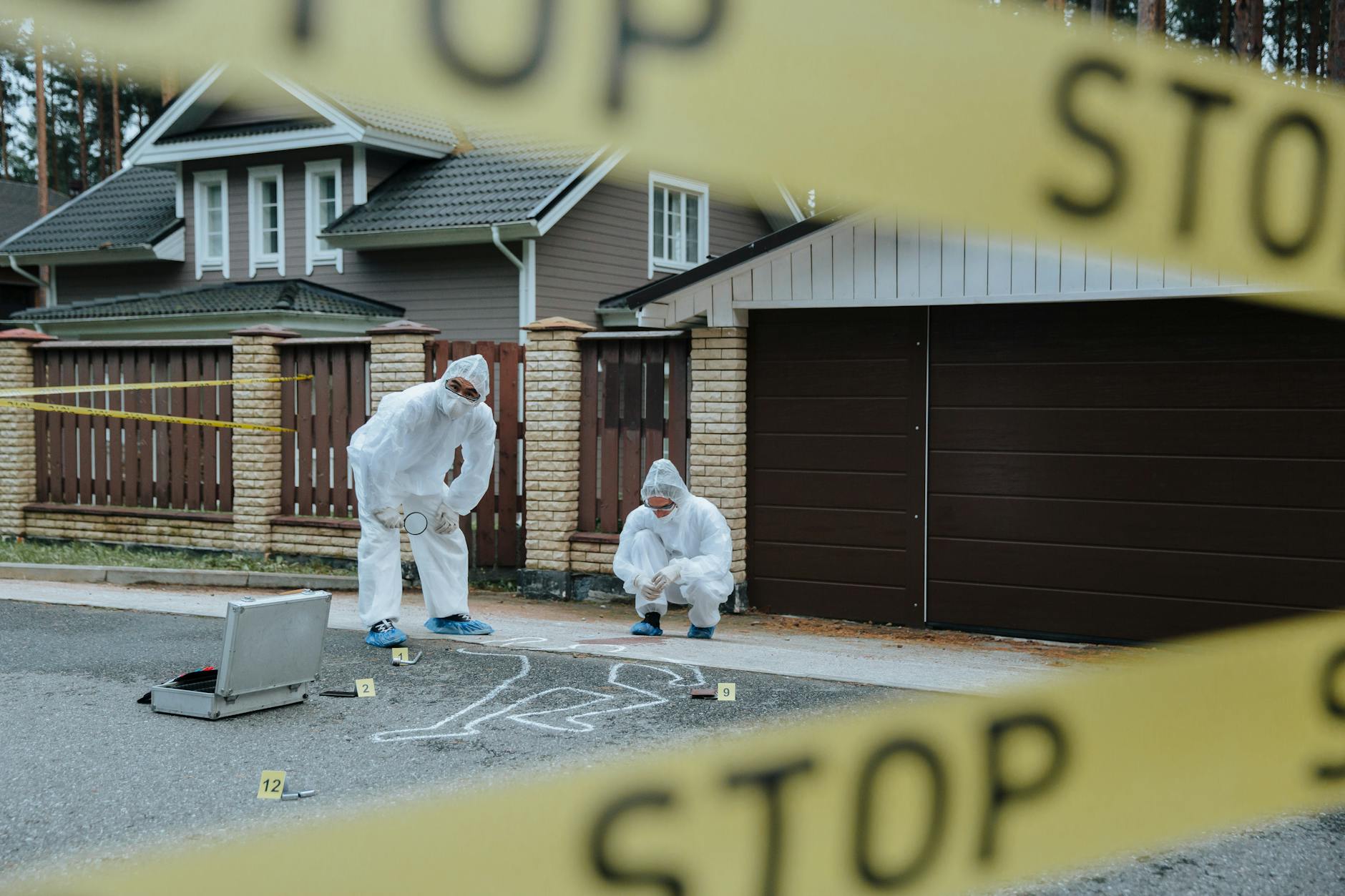
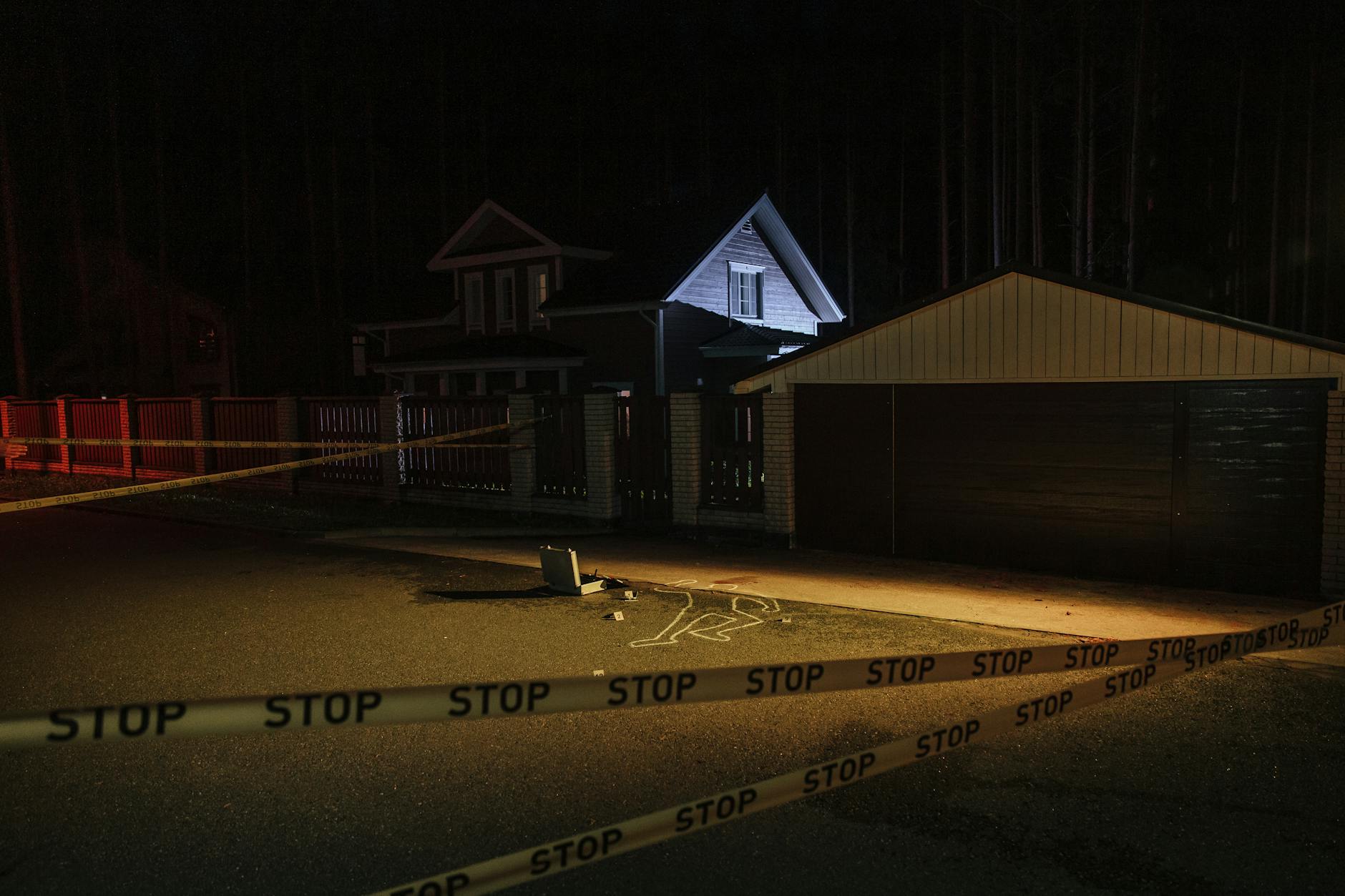
Crane’s body was face-down on the bed, covered by a blood-soaked sheet. His skull had been fractured by repeated blows from a blunt object. An electrical cord, later determined to be from a video camera, was tied tightly around his neck. The room showed no signs of forced entry or struggle. Whoever killed Bob Crane had likely been let inside.
Scottsdale Police Detective Dennis Borkenhagen arrived within the hour. Blood spatter covered the headboard and nearby walls. The murder weapon was never found, though investigators believed it was something heavy and cylindrical, possibly a camera tripod. What they did find would become central to the case decades later: a small piece of biological tissue on the inside door frame, discovered during the initial investigation but not properly preserved.
A life in shadow
The investigation immediately exposed the double life Bob Crane had been living. Detectives found an extensive collection of pornographic photographs and homemade videotapes in the apartment, many featuring Crane with various women. His hobby was well-known among his social circle but carefully hidden from the public. He used sophisticated video equipment for the era, much of it provided or operated by John Carpenter.
Carpenter, who worked for Sony and had access to the latest video technology, had been Crane’s companion in this hidden world since the late 1960s. They met during “Hogan’s Heroes” and developed a friendship built around their shared interest in recording sexual encounters. Carpenter would often travel with Crane, bringing equipment and, according to some witnesses, helping facilitate encounters with women.
But by mid-1978, that relationship was fracturing. Crane had recently married his second wife, Patricia, and multiple friends later testified that Crane wanted to distance himself from his past, and from Carpenter specifically. The day before his murder, Crane told cast members he was planning to end the friendship.
The photographer theory
The crime scene photograph became one of the most puzzling elements of the investigation. When police developed film from a camera found in Crane’s apartment, one image showed what appeared to be biological matter on a camera tripod positioned near the body. The photograph suggested the killer had taken pictures after the murder. But the original print disappeared from police evidence, leaving only a copy.
No tripod matching the one in the photograph was found at the scene. If the image was authentic, it meant the killer had brought equipment to document the crime, then removed it. The implication was chilling. This was someone who knew about Crane’s obsession with photography and may have been sending a message.
The prime suspect emerges
John Carpenter became the focus almost immediately. He had flown from Los Angeles to Phoenix on June 25, ostensibly to visit Crane. Phone records showed Crane called Carpenter around 12:15 a.m. on June 29, less than two hours before his estimated time of death. Neighbors reported seeing a man matching Carpenter’s description leaving the apartment complex early that morning.
Carpenter gave inconsistent statements. He initially claimed he flew home to Los Angeles on June 28, then admitted he was still in Scottsdale on the morning of the 29th. He said he had lunch plans with Crane that day and was upset when Crane didn’t answer his door. He drove to the airport and flew home without reporting anything unusual.
Detectives searched Carpenter’s rental car before it was returned. They found what appeared to be a small bloodstain on the passenger side interior. The car was photographed but not properly secured. By the time investigators wanted to conduct forensic testing, the rental company had already cleaned and rented the vehicle multiple times.
Evidence and its limits
The case went cold. Scottsdale Police suspected Carpenter but lacked physical evidence to charge him. The tissue sample from the door frame was stored improperly and deteriorated. The blood in the rental car was never definitively tested in the immediate aftermath. Witnesses could place Carpenter near the scene, but no one saw him enter or leave the apartment.
In 1990, the Scottsdale Police Department reopened the case with new technology. Maricopa County Attorney’s Office worked with detectives to build a circumstantial case. They reexamined the rental car evidence, now archived, and sent samples for DNA testing. But the blood had degraded. All they could determine was a blood type: B-positive, matching Crane’s type but also shared by roughly 9% of the population.
More damaging was what investigators found when they looked closer. The substance initially identified as blood tested negative for hemoglobin. It might have been blood too degraded to confirm. Or it might not have been blood at all. Defense attorneys would later argue it could have been anything: food, rust, residue from previous renters.
The trial
In 1992, 14 years after the murder of Bob Crane, John Carpenter was arrested and charged with first-degree murder. The trial began in October 1994 in Phoenix. Prosecutors built their case on motive, opportunity, and circumstantial evidence. They argued Carpenter was enraged by Crane’s rejection and killed him in a fit of jealousy. They presented testimony from friends who described the deteriorating relationship and Carpenter’s possessive behavior.
The prosecution’s key physical evidence was the tissue sample and the rental car stain, but both were problematic. Defense attorney Michael Piccione attacked the blood evidence relentlessly, calling experts who testified the sample was inconclusive and improperly handled. He argued the tissue could not be reliably linked to Crane, and the substance in the car could not be confirmed as blood.
The crime scene photograph was shown to jurors, but without the original, its authenticity was questioned. The defense argued police mishandled evidence from the start, contaminating the scene and losing crucial material that might have exonerated Carpenter or pointed to another suspect.
On November 1, 1994, the jury acquitted John Carpenter. They deliberated for less than four hours. Jurors later said the prosecution failed to meet the burden of proof. The blood evidence was too weak. The circumstantial case was compelling, but not enough to convict.
Aftermath
John Carpenter maintained his innocence until his death in 1998. He never spoke publicly in detail about the case, giving only a handful of interviews in which he denied any involvement. He said he considered Bob Crane a close friend and was devastated by his murder. Whether he was telling the truth remains one of the most debated questions in true crime circles.
The murder of Bob Crane remains officially unsolved. Scottsdale Police have never identified another viable suspect. Some investigators who worked the case believe Carpenter was guilty but the evidence was mishandled too early to secure a conviction. Others think the answer may lie in Crane’s extensive network of acquaintances, someone whose identity was never uncovered.
The case endures because of what it reveals about both the victim and the investigation. Crane lived in the shadowy overlap of fame and secrecy, a public figure whose private compulsions made him vulnerable. The investigation, hampered by lost evidence and time, became a cautionary tale about forensic preservation in an era before DNA was routine.
What remains is a crime scene no one can fully explain, a photograph that may show the killer’s final act, and a suspect acquitted by a system that demands certainty even when the truth stays just out of reach.
Where to dive deeper
- Documentary: “Auto Focus” (Sony Pictures Classics)
- Book: “The Murder of Bob Crane” by Robert Graysmith
- Podcast: “Bob Crane” (“Hollywood & Crime”, Wondery)