



Case snapshot
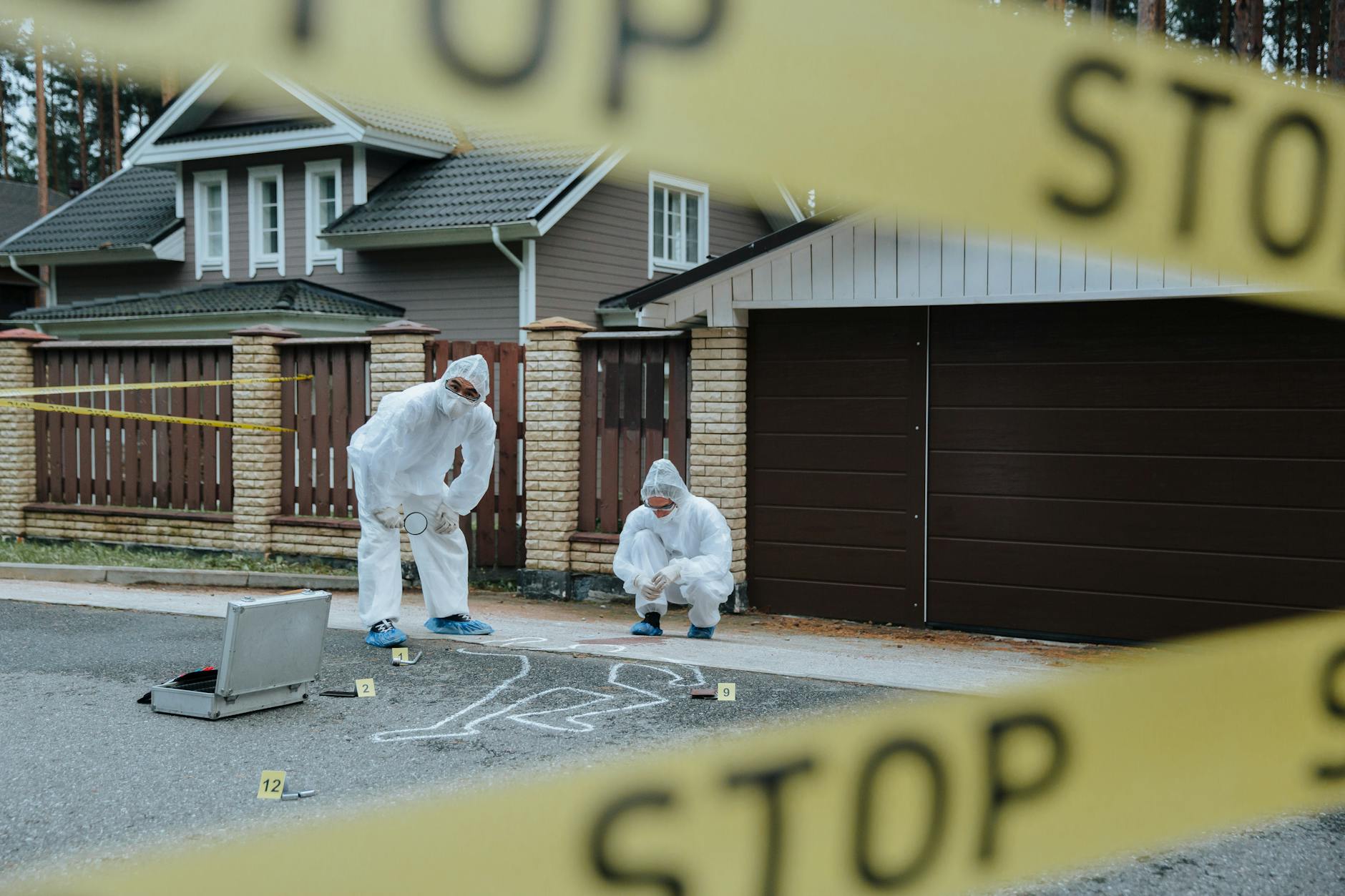
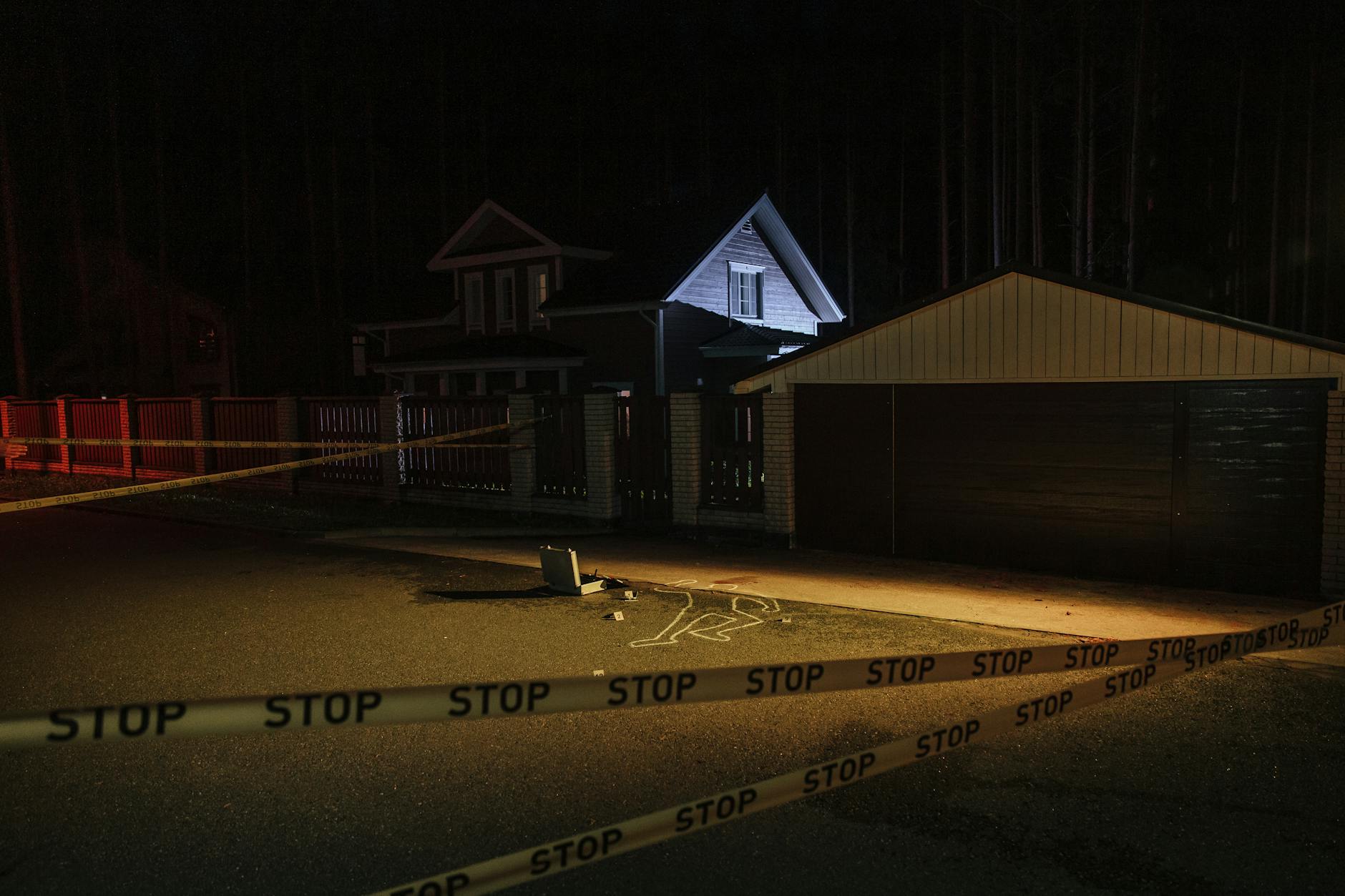
Sally Anne Bowman, 18, was stabbed to death steps from her home in Croydon, South London, in the early hours of September 25, 2005. Her body was discovered in her driveway later that morning. It would take years and a routine traffic stop for investigators to connect DNA evidence to a killer who had been hiding in plain sight.
The final hours
Sally Anne spent the evening of September 24 with friends at a pub in Croydon. She was a model and hairdresser, known for her outgoing personality and close circle of friends. That night, she argued with her boyfriend outside her home on Blenheim Crescent around 4:00 a.m. He left her standing in the driveway. She never made it inside.
A neighbor heard a scream shortly after 4:00 a.m. No one called police. At approximately 6:30 a.m., Sally Anne’s mother found her daughter’s body near the front gate. She had been stabbed multiple times and bitten. The attacker had sexually assaulted her after death.
Police initially focused on her boyfriend. He had been with her that night, and the relationship had been volatile. Forensic evidence cleared him. DNA recovered from the scene didn’t match anyone in the national database.
A dead-end investigation
Detectives conducted door-to-door inquiries and reviewed CCTV footage from nearby streets. They found no witnesses who saw the attack. No murder weapon was recovered. The DNA profile remained unidentified.
Sally Anne’s family pressed for updates. Her case appeared on “Crimewatch,” a UK crime-appeal program, generating tips but no breakthrough. Investigators believed the killer lived locally. The level of violence suggested it wasn’t his first attack. The case went cold.
The break
In 2006, police arrested Mark Dixie, a chef with a history of minor offenses, following a bar fight in Horley, Surrey. Officers took a routine DNA swab. The sample was processed and uploaded into the national database.
It matched the DNA from Sally Anne Bowman’s murder scene.
Dixie had been living just miles from where Sally Anne was killed. He had no known connection to her. On the night of the murder, he had been out drinking and using cocaine. He later claimed he found Sally Anne’s body in the driveway and assaulted her after she was already dead, insisting he hadn’t killed her.
Forensic evidence contradicted his account. Bite marks on her body matched his dental impressions. Bloodstain patterns and the nature of her injuries indicated she had been alive during the attack.
The trial
Dixie was charged with murder in 2007. Prosecutors presented DNA evidence, forensic odontology, and testimony from pathologists who detailed the severity of Sally Anne’s injuries. The defense argued that Dixie had come across the body after someone else had killed her. The jury found the claim implausible given the forensic findings.
During the trial, investigators revealed that Dixie had a history of sexual violence. He had attacked women in Australia and Spain before moving to the UK. He had never been flagged as a suspect in Sally Anne’s case because he had no serious criminal record in Britain at the time of her death.
On February 22, 2008, Dixie was convicted of murder. He was sentenced to life in prison with a minimum term of 34 years.
Unanswered questions
Dixie has never admitted to the murder. He continues to maintain that Sally Anne was already dead when he found her. Investigators believe he may have committed other attacks that remain unsolved. Detectives in Australia and Spain reviewed cold cases after his conviction, but no additional charges were filed.
Sally Anne’s family has spoken publicly about the impact of her death and the years of waiting for answers. They criticized the initial investigation for not expanding the suspect pool more quickly and for focusing too heavily on her boyfriend.
In 2023, a Metropolitan Police detective who had worked on the case faced a disciplinary tribunal after it was revealed he had kept photographs of Sally Anne’s body on his personal devices for nearly two decades. The officer retired one day before the tribunal began. The incident raised questions about investigative conduct and respect for victims.
The role of forensic evidence
The Bowman case became a reference point in discussions about DNA databases and routine sampling. Dixie’s arrest for an unrelated offense led to the match that solved the murder. Without that bar fight, his DNA might never have been collected.
Legal experts have cited the case in debates over how long DNA samples should be retained and whether expanded databases improve public safety or raise privacy concerns. Dixie’s conviction demonstrated the power of forensic science when applied to cold cases, but it also highlighted how long justice can take when a suspect isn’t immediately identified.
Where to dive deeper
- Documentary: “Murder in the Family” (Investigation Discovery)
- Documentary: “Britain’s Darkest Taboos” (CBS Reality)
- Book: “The Murder of Sally Anne Bowman” by Jane Smith
- Podcast: “The Case of Sally Anne Bowman” (“Casefile True Crime”, Casefile Presents)