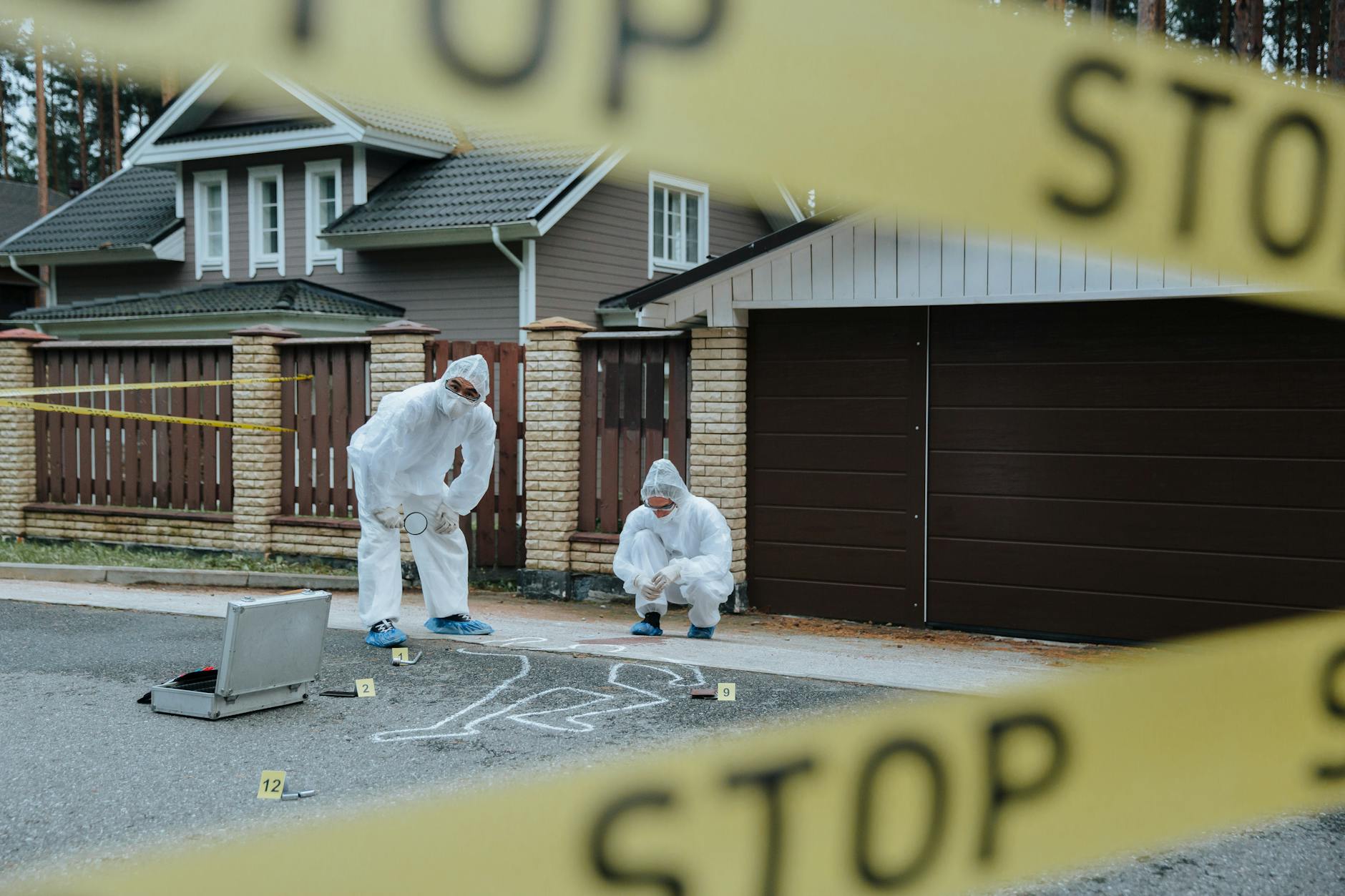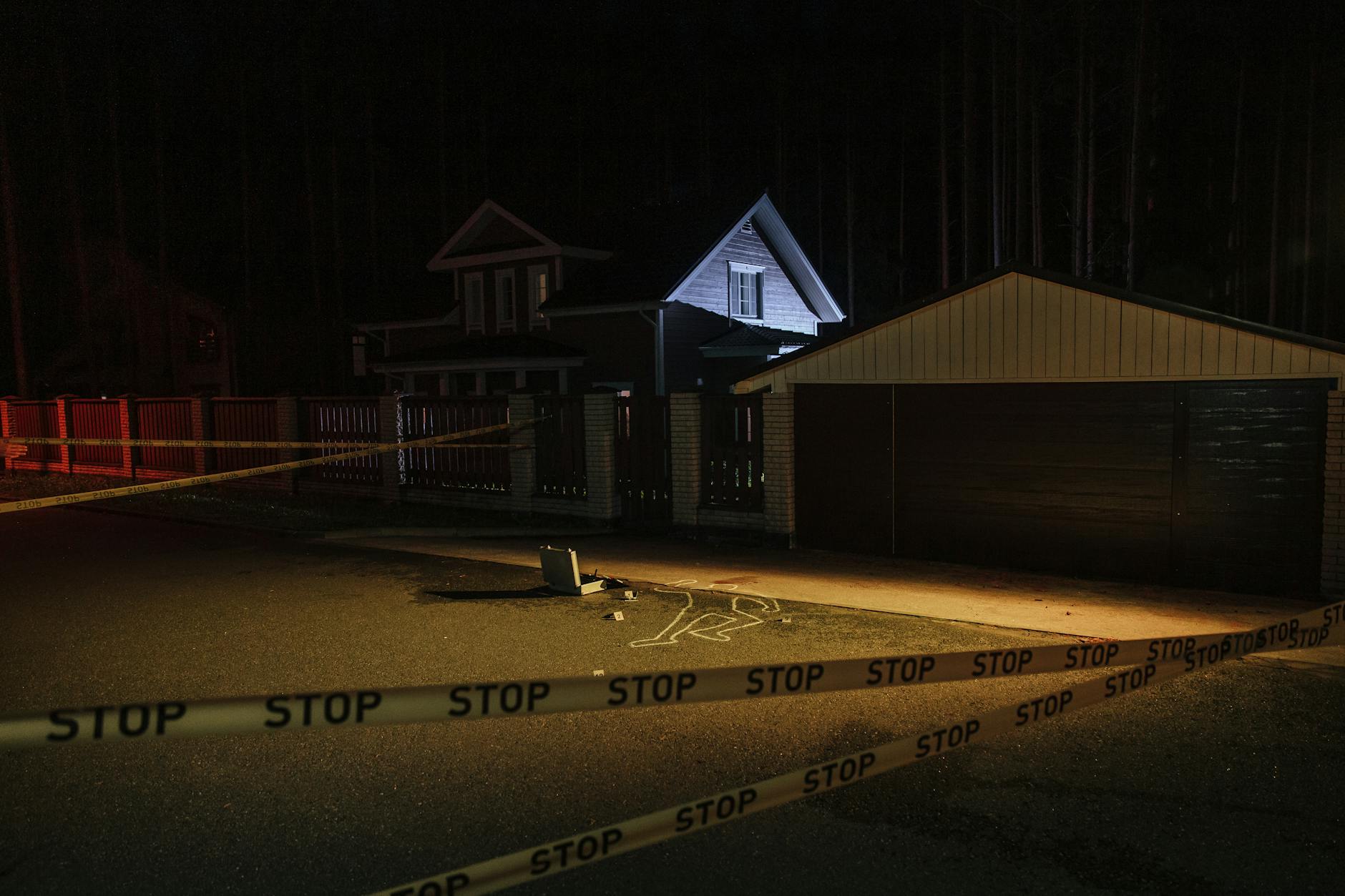



Case snapshot
On June 6, 1996, in Rowlett, Texas, two young boys were stabbed to death in their suburban home while their mother survived similar wounds. Darlie Routier told police an intruder had broken in and attacked them. Within days, investigators began to suspect her.
The night of June 6, 1996
Damon Routier, 5, and Devon Routier, 6, were asleep in the downstairs living room of their family’s brick home on Eagle Drive in Rowlett, a quiet Dallas suburb. Their mother, Darlie Routier, later told police she had fallen asleep on the couch near them. Her husband, Darin, and their infant son Drake were upstairs.
Just after 2:30 a.m., Darlie called 911. She was screaming. She told the dispatcher someone had broken into the house and stabbed her and her boys. The call was frantic, disjointed. It would later become one of the most scrutinized pieces of evidence in the case.
When paramedics and police arrived, they found Devon already dead from multiple stab wounds to his chest. Damon was still alive but barely breathing. He died shortly after at the hospital. Darlie had wounds to her neck and arms. A cut on her throat had come within millimeters of her carotid artery.
The scene was chaos. Blood covered the floor, the couch, the entryway. A knife from the Routier kitchen was found on the counter. The family’s Pomeranian had not barked.
The intruder story
Darlie told investigators she woke to pressure on her body and saw a man in dark clothing walking away from her toward the kitchen. She said she followed him, then realized her boys had been hurt. She described the intruder vaguely, offered few details. She said a screen in the garage utility room had been cut, suggesting a point of entry.
But police found problems almost immediately. There were no clear signs of forced entry. The cut screen appeared staged. A bloody sock was found down the alley behind the house, but there were no blood drops leading to it. Investigators also noted that valuables in plain view had not been taken.
Within a week, detectives began to focus on Darlie.
The evidence against her
Prosecutors argued that Darlie Routier murdered her own children and staged a break-in to cover it up. The evidence they presented was circumstantial but layered.
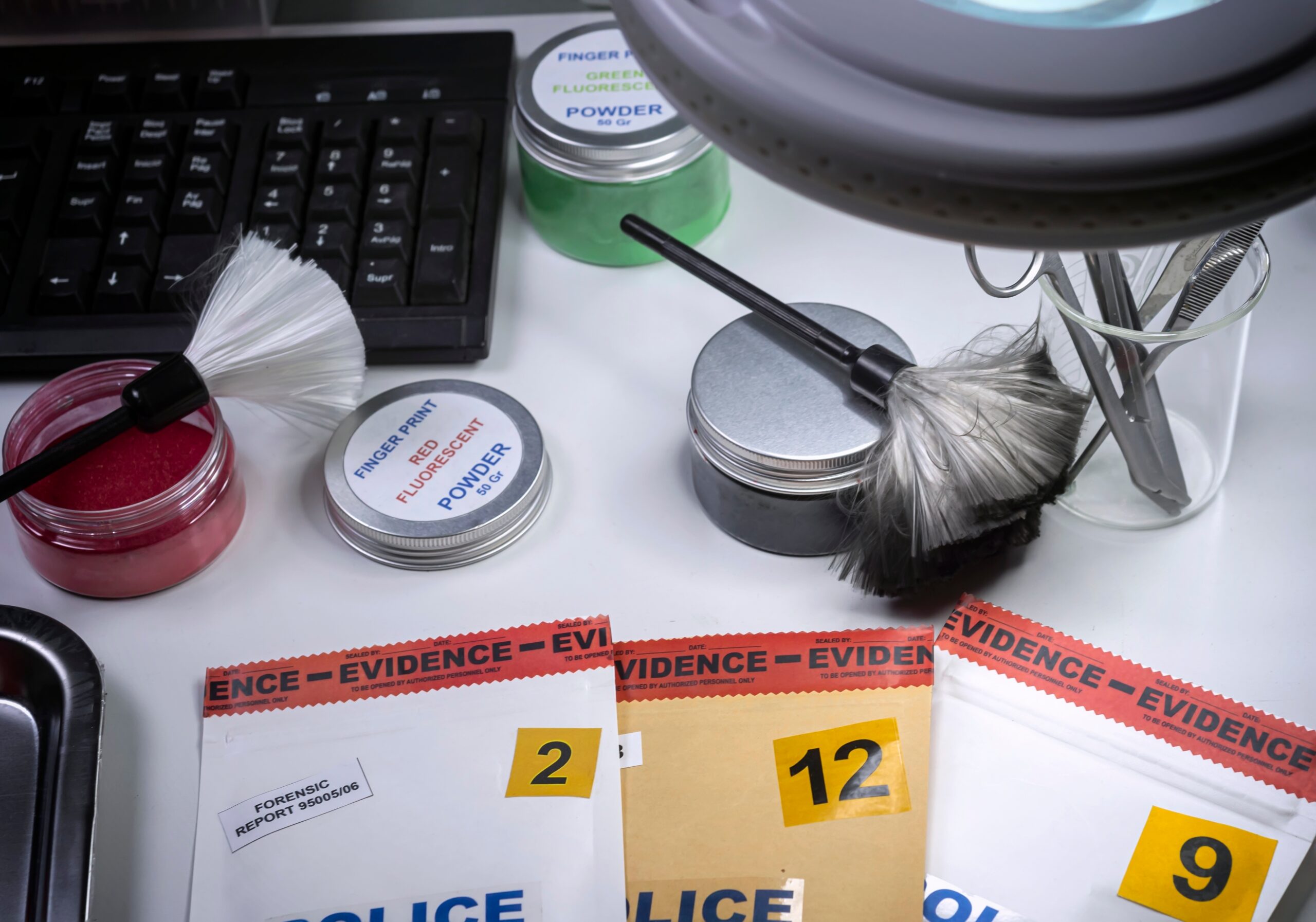
The blood evidence became critical. Experts testified that blood spatter on Darlie’s nightshirt suggested she had been in close proximity to the boys when they were stabbed, not across the room as she claimed. A small amount of blood was also found on the back of her shirt, which prosecutors argued indicated she was moving, not lying still during the attack.
The knife used in the stabbings came from the Routier kitchen. There was no evidence an intruder had brought a weapon into the home. The defensive wounds on Darlie’s arms were minimal. The neck wound, while serious, was not as deep as it first appeared. Prosecutors suggested she had inflicted the injuries on herself.
Investigators testified that the scene looked staged. The vacuum cleaner was knocked over. A wine glass was broken. But there were no fingerprints, no disturbance upstairs, no evidence that anyone unfamiliar with the home had been inside.
The birthday video
One piece of evidence became a focal point outside the courtroom. A week after the murders, Darlie and her family held a graveside birthday party for Devon, who would have turned seven. The event was filmed. The footage showed Darlie smiling, spraying Silly String on the boys’ graves, laughing with relatives.
The video aired on local news. Public opinion turned sharply. Prosecutors did not use the video as evidence at trial, but the damage to Darlie’s image had already been done. Critics argued the tape showed a lack of grief. Supporters said it was taken out of context, that the family had held a somber prayer service before the celebration.
The trial and conviction
Darlie Routier was tried only for the murder of Damon. Prosecutors chose to proceed with one case first, holding the second in reserve. The trial began in January 1997 in Kerrville, Texas, after a change of venue due to intense media coverage.
The defense argued that the evidence was not enough to convict. They pointed to the lack of motive, the severity of Darlie’s injuries, and the possibility that an intruder had fled before being seen. They questioned the reliability of the blood spatter analysis and argued the investigation had been rushed.
But the prosecution’s case was methodical. They presented forensic testimony, timeline inconsistencies, and the apparent staging of the crime scene. They argued Darlie had been overwhelmed by financial stress, postpartum depression, and frustration with her children.
On February 4, 1997, the jury found Darlie Routier guilty of capital murder. She was sentenced to death.
The questions that remain
Darlie Routier has maintained her innocence for more than two decades. She remains on death row in Texas.
Her case has become a focal point for debates over forensic science, particularly blood spatter analysis. Some experts have since questioned the methods used at trial. Defense attorneys have pushed for DNA testing on evidence that was not fully analyzed in 1997, including the sock found in the alley and fingernail clippings.
Supporters argue the investigation was biased from the start, that police zeroed in on Darlie without adequately pursuing other leads. Critics of the conviction point to the lack of a clear motive, the fact that no murder weapon with Darlie’s prints was ever found, and inconsistencies in witness testimony.
Prosecutors and investigators have stood by the conviction. They argue the evidence, taken together, pointed clearly to Darlie. They say her story never made sense, her injuries were self-inflicted, and the crime scene spoke for itself.
The case has never been overturned. Multiple appeals have been denied. Darlie Routier’s execution has been stayed indefinitely as legal challenges continue.
The boys
Damon and Devon Routier were buried together. Their graves are in Restland Memorial Park in Dallas. The case file remains open for Devon’s death, though no other suspect has ever been charged.
The question that defined the case from the beginning has never been fully resolved. Was this a mother who killed her children and tried to cover it up, or a woman wrongly convicted on circumstantial evidence while the real killer was never found?
The jury decided. The doubts remain.
Where to dive deeper
- Documentary: “The Last Defense” (ABC)
- Book: “Precious Angels” by Barbara Davis
- Podcast: “The Darlie Routier Case” (“Trace Evidence”, Steven Pacheco)