


Case snapshot
Diane and Alan Johnson were found dead in their home under circumstances that launched an investigation built on forensic evidence, witness accounts, and a timeline pieced together from their final hours. The case hinged on how investigators connected the physical evidence to a suspect, how prosecutors built their argument, and whether a jury believed the state proved its case. The murder of Diane and Alan Johnson became a study in how homicide investigations are constructed and tested in court.
The victims
Diane and Alan Johnson lived a quiet, routine life. Neighbors described them as private and predictable. There were no public disputes, no obvious warning signs. But beneath the surface, investigators would find details that reshaped the story.
The couple was last seen on an ordinary day. Alan worked. Diane managed the household. Friends and family noticed nothing unusual. No frantic calls. No sudden shifts in behavior. Just the rhythm of daily life, until it stopped.
The discovery
When Diane and Alan missed a scheduled obligation, concern set in. Calls went unanswered. A welfare check was requested. What authorities found inside the home was immediate and violent.
Both victims were dead. The scene pointed to homicide. Blood spatter, body positioning, signs of struggle. The question wasn’t if a crime had occurred, but who committed it and why.
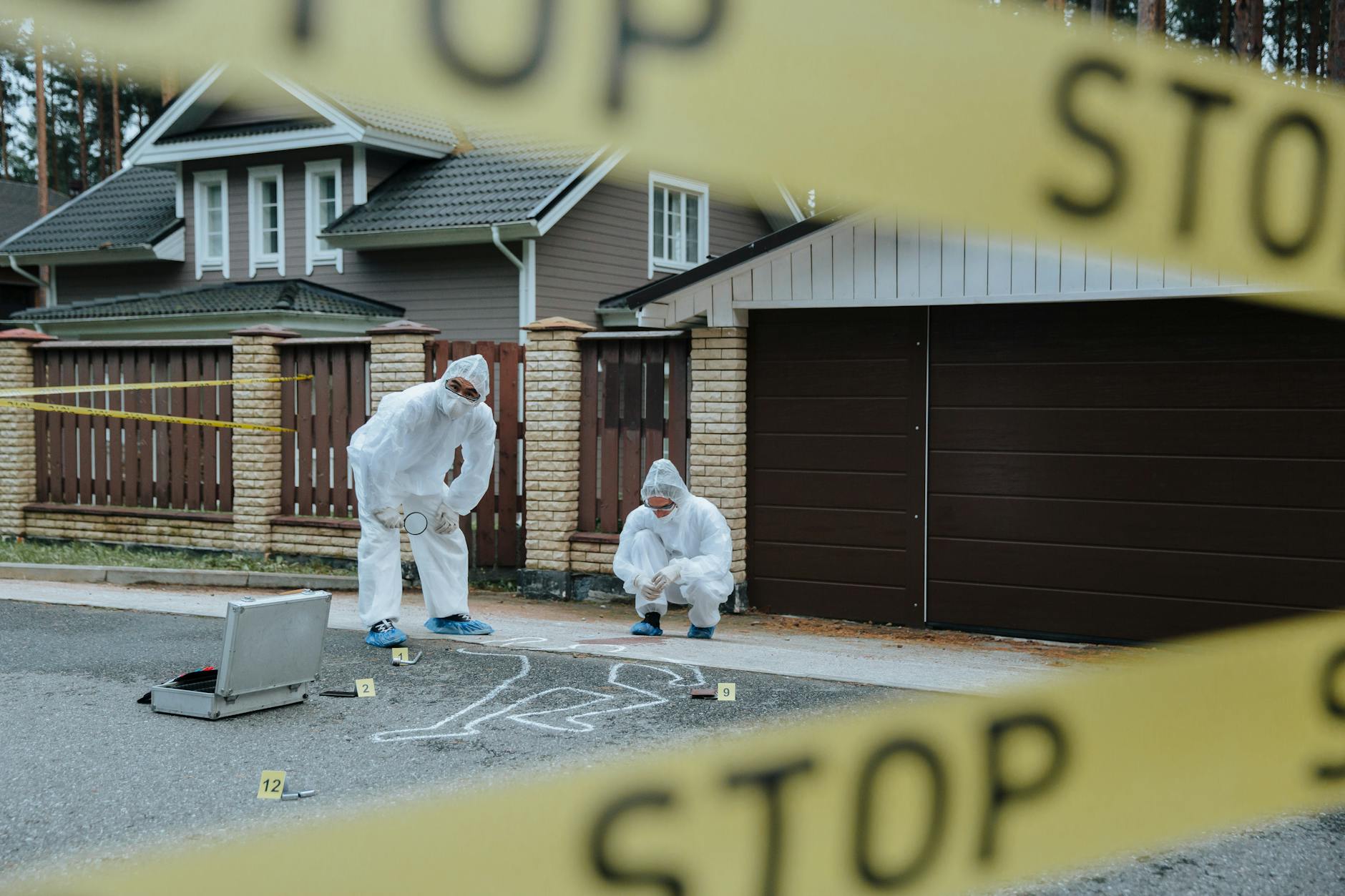
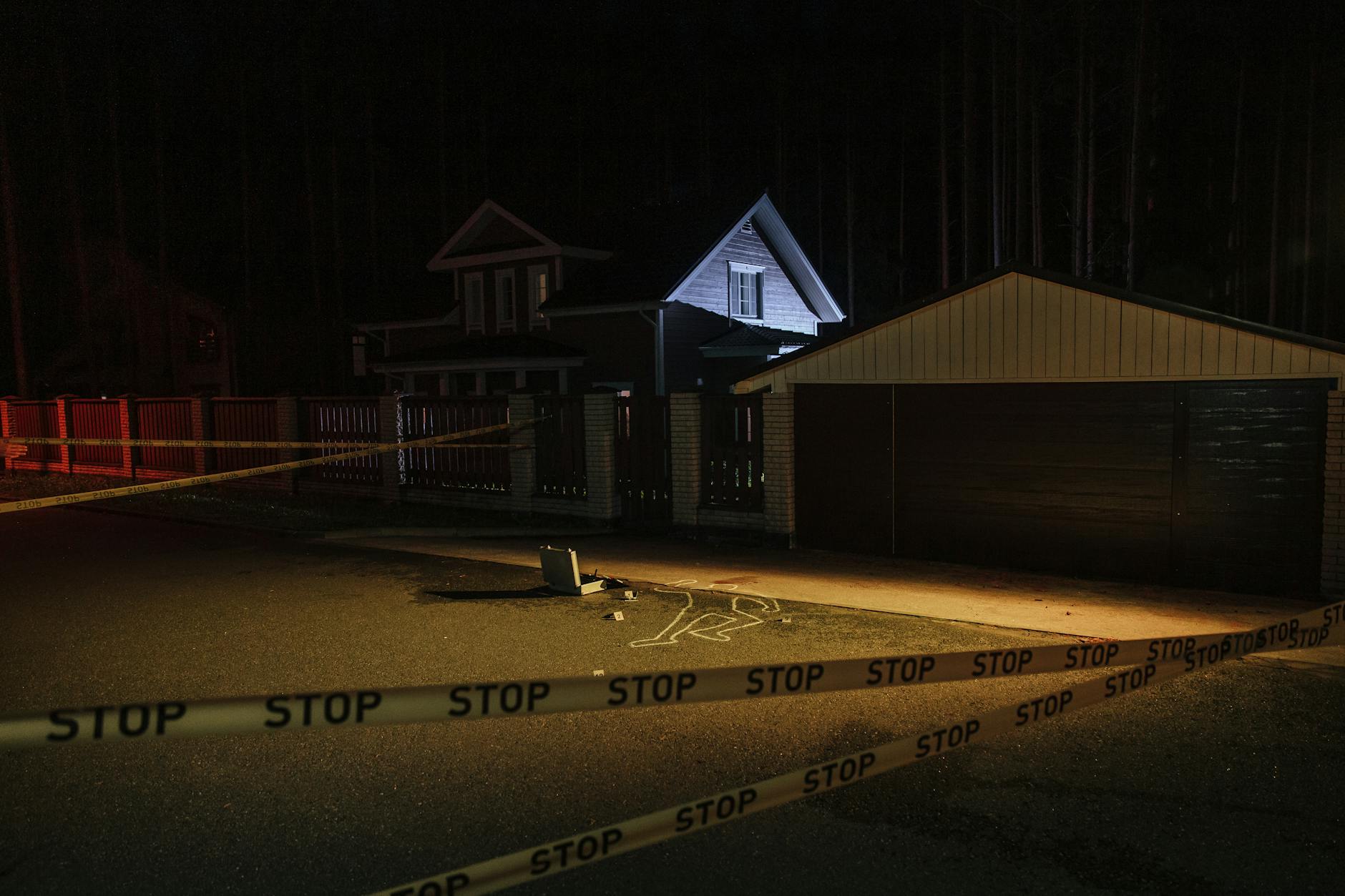
First responders secured the scene. Forensic teams moved in. Every surface, every object became evidence. The home was no longer a residence. It was a crime scene.
Building the case
Detectives started with access, motive, and opportunity. Who had been near the home? Who had reason? The timeline of the victims’ last movements became critical. Investigators worked backward from discovery, reconstructing the hours before death.
Witness statements were collected. Neighbors were interviewed. Some recalled unfamiliar vehicles. Others noticed nothing. The picture was incomplete, but patterns emerged.
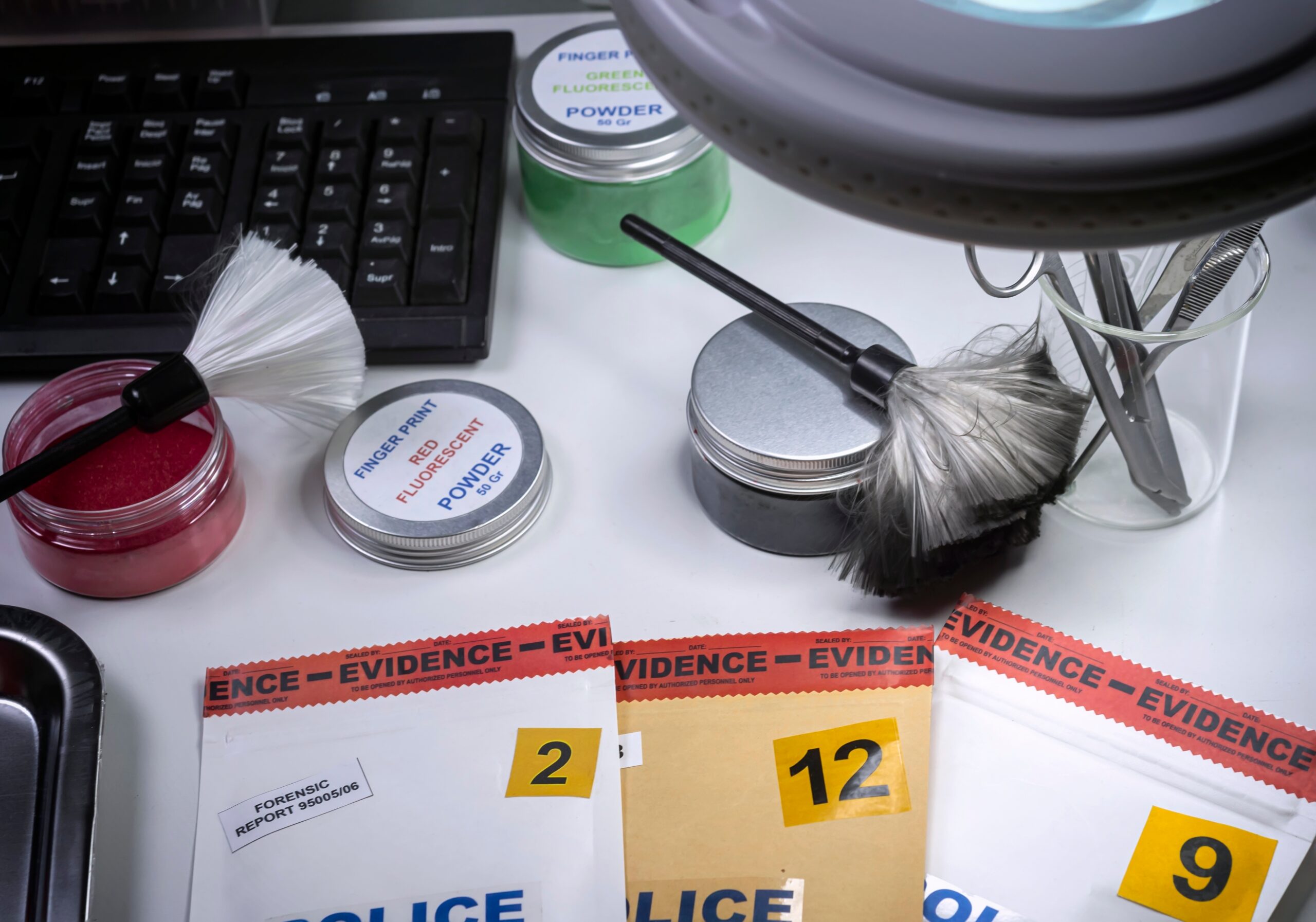
Forensic evidence became the foundation. Blood samples were analyzed. Fingerprints lifted. Trace evidence cataloged. DNA testing conducted. The physical evidence would either support witness accounts or contradict them.
One detail stood out. The manner of death suggested the killer knew the victims or had been allowed inside. No forced entry. No ransacked rooms. No obvious theft. This wasn’t a burglary gone wrong. It was personal.
The suspect
As weeks turned to months, investigators focused on a suspect. The evidence linking them to the scene, the strength of the forensic findings, and the credibility of witnesses would determine whether charges were filed.
Prosecutors reviewed everything. Was it enough for an arrest? Could it survive trial? The burden of proof in a murder case is unforgiving. Every piece of evidence must hold up. Every witness must be credible. Every timeline must align.
The case rested on forensic findings and circumstantial evidence. DNA could be definitive. Blood spatter patterns told a story of position and movement. Witness testimony could place the suspect near the scene at the critical time.
But circumstantial cases are fragile. Defense attorneys dismantle them. A single inconsistency creates reasonable doubt. A single unreliable witness can unravel the prosecution’s theory. The state had to be certain.
The trial
An arrest was made. The suspect was charged with two counts of murder. The case moved to trial, where the evidence faced scrutiny in open court.
The prosecution laid out its theory. The defendant had motive, opportunity, and means. Forensic evidence placed them at the scene. The timeline matched. Witnesses corroborated key elements. The state argued the totality of evidence left no reasonable doubt.
The defense countered. They challenged forensic findings. Questioned witness reliability. Pointed to gaps in the timeline. The evidence, they argued, was not conclusive. Reasonable doubt existed.
The jury heard both sides. Reviewed the evidence. Deliberated. The outcome hinged on whether twelve people believed the state proved its case beyond a reasonable doubt.
The verdict
The jury returned a verdict. The decision carried weight. A guilty verdict meant decades in prison. A not guilty verdict meant the case remained open, unresolved, haunting.
For the families of Diane and Alan Johnson, the verdict was more than a legal conclusion. It was an answer to the question that consumed them since the day their loved ones were found dead. But even a guilty verdict doesn’t erase loss or undo violence. It only provides one kind of closure.
The legal system offers resolution, not restoration. The dead don’t return. Trauma doesn’t disappear. The case becomes part of the public record, a file number in a courthouse, a story told in true crime circles.
What the evidence revealed
What made the murder of Diane and Alan Johnson compelling was how the case was built. Forensic evidence played a central role. Blood spatter analysis reconstructed the sequence of events. DNA testing provided a link between suspect and scene. Witness testimony filled gaps physical evidence couldn’t.
But the case also exposed the limits of evidence. Not every question can be answered with certainty. Not every motive can be proven. The “why” of a murder is often harder to establish than the “who.” Jurors weigh evidence, assess credibility, and make judgments based on incomplete information.
Defense attorneys exploit these gaps. They raise alternative theories. Suggest other suspects. Challenge lab results. Question chain of custody. In a murder trial, doubt is a weapon.
What remains
Even after a verdict, questions linger. Was the right person convicted? Was the evidence interpreted correctly? Were other suspects never fully investigated? These questions haunt every homicide case, especially those built on circumstantial evidence.
The murder of Diane and Alan Johnson is no exception. True crime researchers continue to examine the case. New theories emerge. Old evidence is re-evaluated. The case remains a subject of discussion and scrutiny.
For some, the legal outcome provides closure. For others, doubt remains. That tension keeps cases like this alive long after the trial ends.
Where to dive deeper
- Documentary: “Forensic Files” (FilmRise)
- Book: “Blood Secrets: A Forensic Expert Reveals How Blood Spatter Tells the Crime Scene’s Story” by Rod Englert
- Podcast: “Case Evidence” (“Casefile True Crime”, Casefile Presents)