


Case snapshot
Christopher Wallace, known as The Notorious B.I.G., was shot four times in a drive-by shooting at 12:47 a.m. on March 9, 1997, while stopped at a red light on Wilshire Boulevard in Los Angeles. The 24-year-old rapper died 45 minutes later at Cedars-Sinai Medical Center. Despite witness accounts, ballistic evidence, and decades of investigation, no one has ever been charged with his murder.
The final night
March 8, 1997, started as a celebration. Biggie was in Los Angeles for the Soul Train Music Awards and to promote his upcoming album, “Life After Death.” That evening, he attended a private party hosted by Vibe magazine and Qwest Records at the Petersen Automotive Museum on Wilshire Boulevard. The event drew hundreds from the music industry.
Just after midnight, a fight broke out inside the museum. Organizers shut it down early. Biggie left in a convoy of three SUVs. He sat in the front passenger seat of a GMC Suburban driven by his security guard and friend, Damion “D-Roc” Butler. Sean “Puffy” Combs traveled in the vehicle ahead.
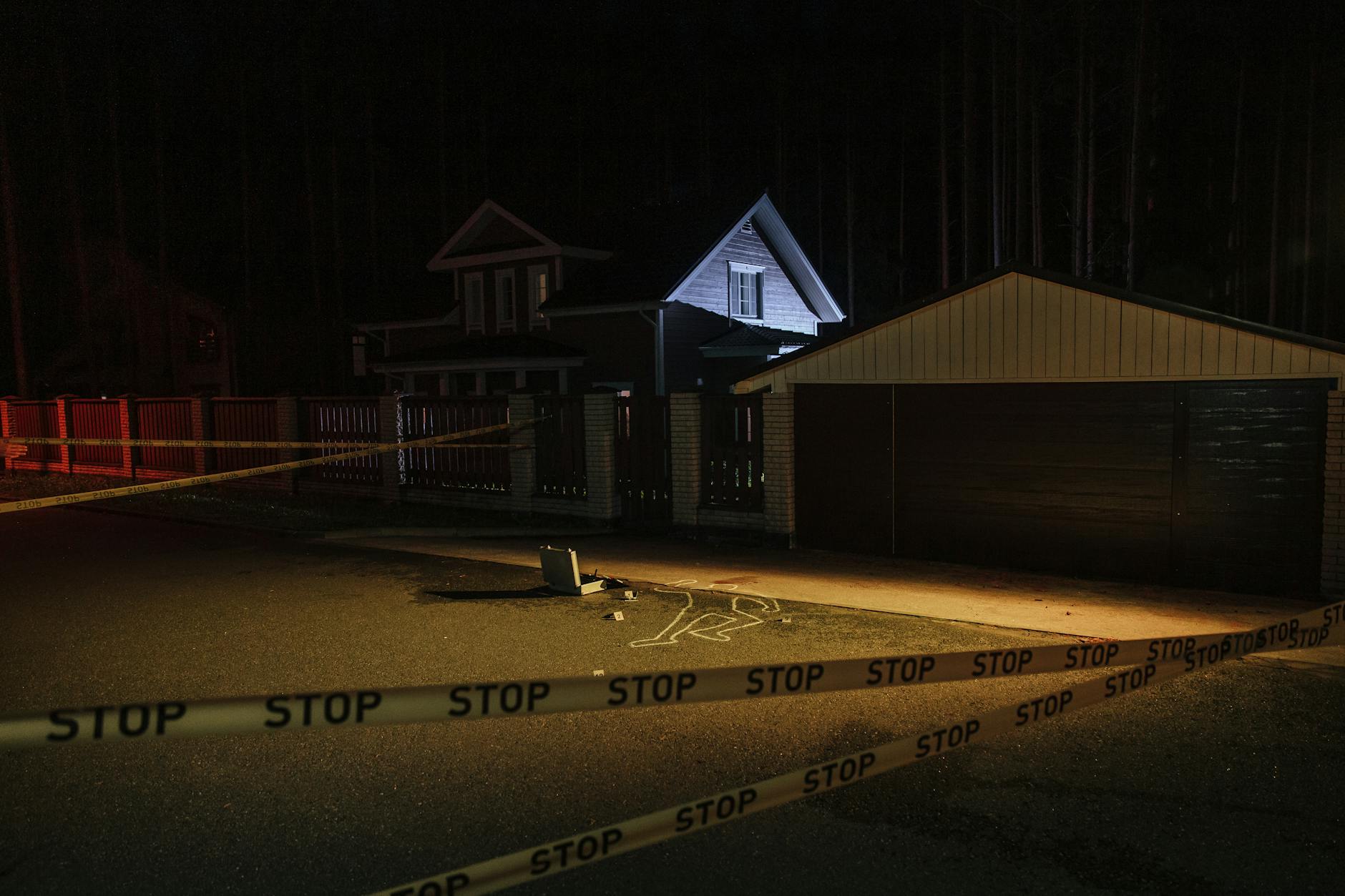
The convoy moved east on Wilshire Boulevard. At the intersection of Wilshire and South Fairfax Avenue, the lead vehicle passed through a green light. Biggie’s Suburban stopped at the red.
A dark Chevrolet Impala SS pulled up alongside the passenger side. Witnesses saw a Black man in a blue suit and bow tie lean out of the window. He raised a 9mm pistol and fired six to eight rounds into the Suburban.
Four bullets struck Biggie. Three hit non-vital areas. The fourth entered through his right side, passed through his colon, liver, heart, and left lung, then lodged in his left shoulder. Butler drove immediately to Cedars-Sinai Medical Center, less than a mile away. Biggie was pronounced dead at 1:15 a.m.
The investigation begins
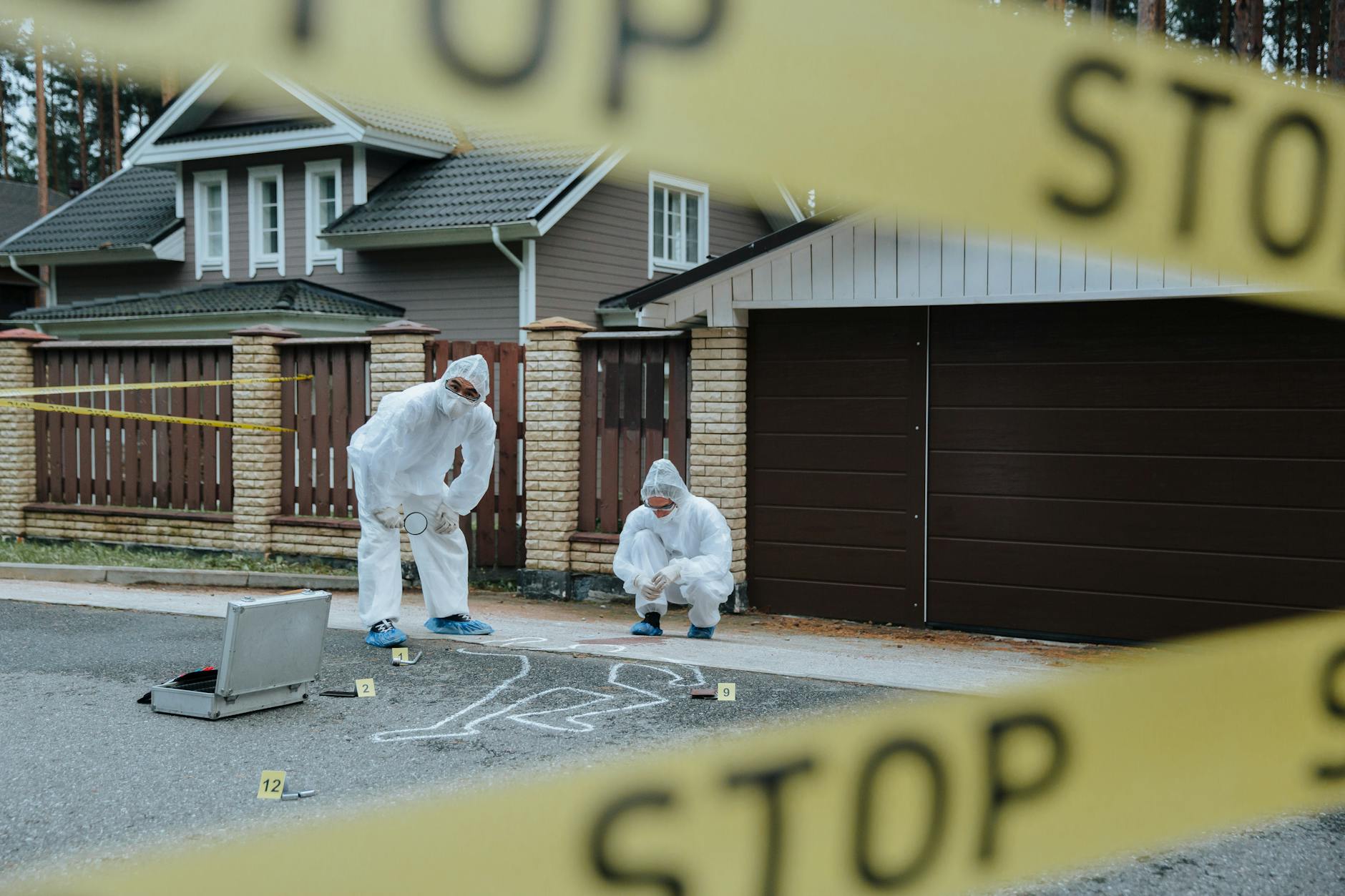
The Los Angeles Police Department launched a homicide investigation within hours. Detectives collected nine 9mm shell casings from the scene, all fired from the same weapon. Witnesses described the shooter’s vehicle as a dark Impala SS, but no plate number was recorded.
The murder came six months after the September 1996 shooting death of Tupac Shakur in Las Vegas. Both killings happened during the height of the East Coast-West Coast hip-hop rivalry. Speculation immediately centered on retaliation. Theories ranged from gang involvement to record label feuds, but investigators found no concrete evidence linking the two murders.
Early leads pointed to several known associates of Death Row Records, the label run by Marion “Suge” Knight. Some witnesses reported seeing individuals connected to the label at the Petersen Museum that night. Others claimed the Impala was registered to someone with ties to the Bloods. None of these leads produced charges.
The suspect who became the focus
By 1998, investigators zeroed in on a possible suspect: Wardell “Poochie” Fouse, a member of the Mob Piru Bloods with alleged ties to Death Row Records. According to informants and later testimony from former LAPD officer Russell Poole, Fouse was allegedly hired to carry out the hit on behalf of Suge Knight, who reportedly wanted revenge for the death of Tupac and the perceived encroachment of Bad Boy Records on West Coast territory.
The theory gained traction after Poole’s investigation uncovered alleged connections between Death Row Records, corrupt LAPD officers, and gang members. Poole alleged that off-duty officers working security for Death Row may have facilitated the murder. His claims appeared in a controversial task force report, but the LAPD eventually distanced itself from his conclusions.
Fouse was never charged. In July 2003, he was killed in a motorcycle accident in Compton. His death eliminated the possibility of a direct prosecution, but the scrutiny continued.
The conspiracy allegations
In 2002, Biggie’s mother, Voletta Wallace, and his widow, Faith Evans, filed a wrongful death lawsuit against the City of Los Angeles. The suit alleged that corrupt LAPD officers, including David Mack and Rafael Perez, were involved in orchestrating the murder. Both officers had ties to Death Row Records and had been implicated in the Rampart scandal, one of the most widespread corruption cases in LAPD history.
The lawsuit claimed Mack hired Fouse to kill Biggie, and that the LAPD deliberately obstructed the investigation to protect its officers. The case went to trial in 2005, but the judge declared a mistrial after discovering the city had withheld key documents. A second trial began in 2010 but was dismissed when the judge ruled there was insufficient admissible evidence to support the conspiracy claims.
David Mack has consistently denied involvement. No physical evidence has ever connected him to the crime. Rafael Perez, who became an informant in the Rampart case, also denied any role in the murder of Biggie Smalls.
The evidence that remains
The ballistic evidence is clear: a single 9mm handgun fired all the rounds recovered from the scene. That weapon has never been found. The Impala described by witnesses was never conclusively identified or recovered, though some reports claim it was later impounded and destroyed.
Witness statements have been inconsistent. Some attendees at the Petersen Museum claimed they saw the shooter. Others said they saw the Impala trailing the convoy. Several witnesses recanted or altered their statements over the years, citing fear of retaliation.
In 2006, the FBI launched a review of the case, focusing on possible connections to organized crime and gang activity. That review found no new evidence sufficient to bring charges. In 2009, a task force created by then-LAPD Chief William Bratton reopened the case. It also failed to produce an arrest.
The question that lingers
More than 27 years after the murder of Biggie Smalls, the case file remains open. No one has been charged. No weapon has been recovered. No definitive motive has been proven in court.
Theories continue to circulate. Some still believe Suge Knight orchestrated the killing. Others point to gang retaliation unrelated to the music industry. A smaller group argues the murder was the result of a botched robbery or mistaken identity. None of these theories have been substantiated by evidence that meets the standard for prosecution.
Biggie’s estate, his family, and his fans have spent nearly three decades without answers. The investigation produced volumes of reports, dozens of witness interviews, and multiple lawsuits. It has never produced justice.
The Suburban. The red light. The Impala. The gunfire. It all happened in less than a minute. The fallout has lasted a generation.
Where to dive deeper
- Documentary: “Biggie: I Got a Story to Tell” (Netflix)
- Documentary: “Murder Rap: Inside the Biggie and Tupac Murders” (Amazon Prime Video)
- Book: “LAbyrinth: A Detective Investigates the Murders of Tupac Shakur and Notorious B.I.G.” by Randall Sullivan