


Case snapshot
On December 23, 1996, the body of French television producer Sophie Toscan du Plantier was found outside her holiday cottage in rural West Cork, Ireland. She had been beaten to death in the early hours of the morning. The investigation quickly focused on a local journalist, but he was never charged in Ireland, and the case became a decades-long legal stalemate between two countries.
The victim and the cottage
Sophie Toscan du Plantier, 39, was a documentary producer and wife of French film producer Daniel Toscan du Plantier. She traveled alone from Paris to her remote cottage near Schull, County Cork, on December 20, 1996, planning to spend Christmas in Ireland before returning to France. The cottage sat at the end of a long, isolated lane with no nearby neighbors.
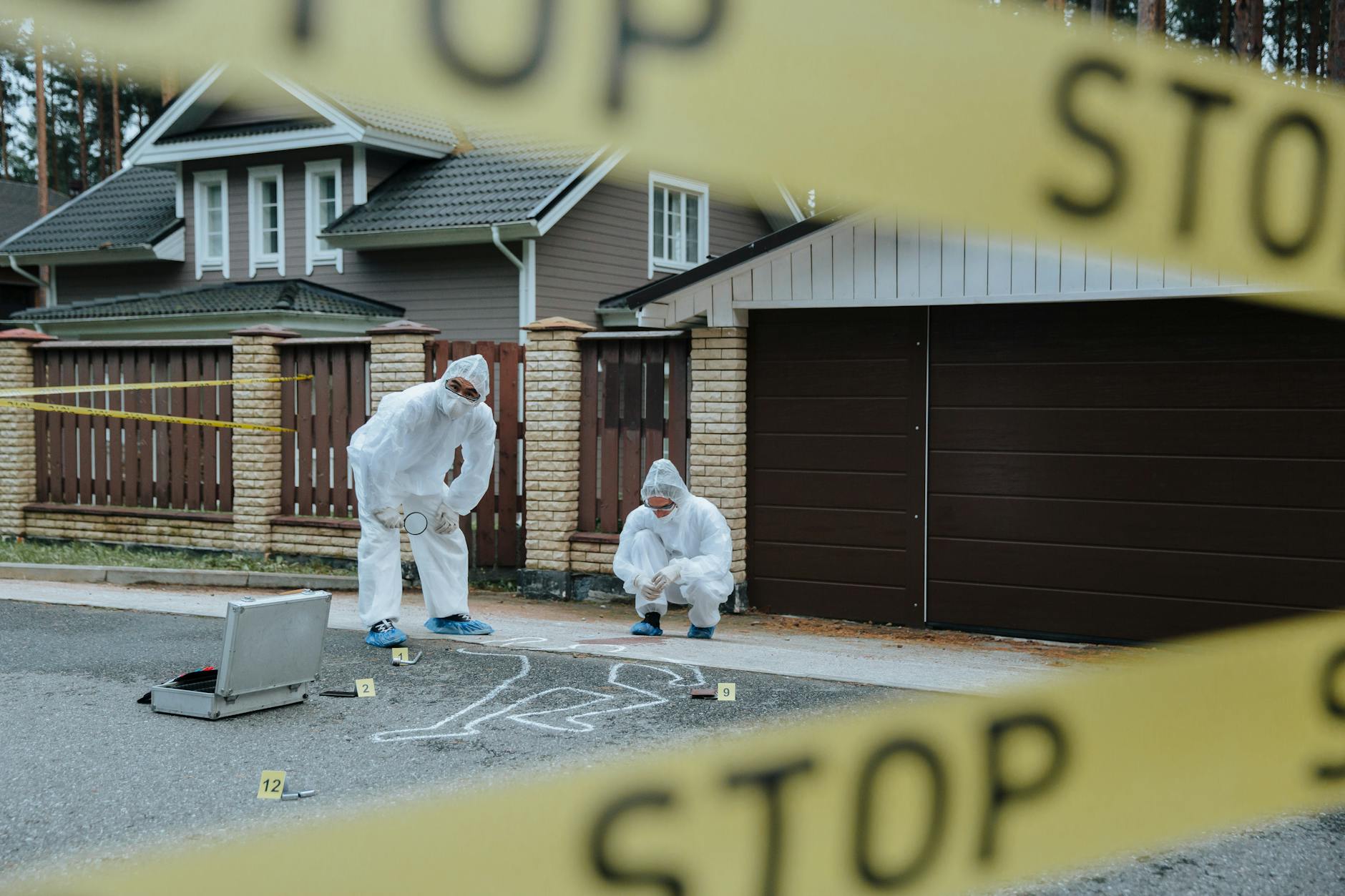
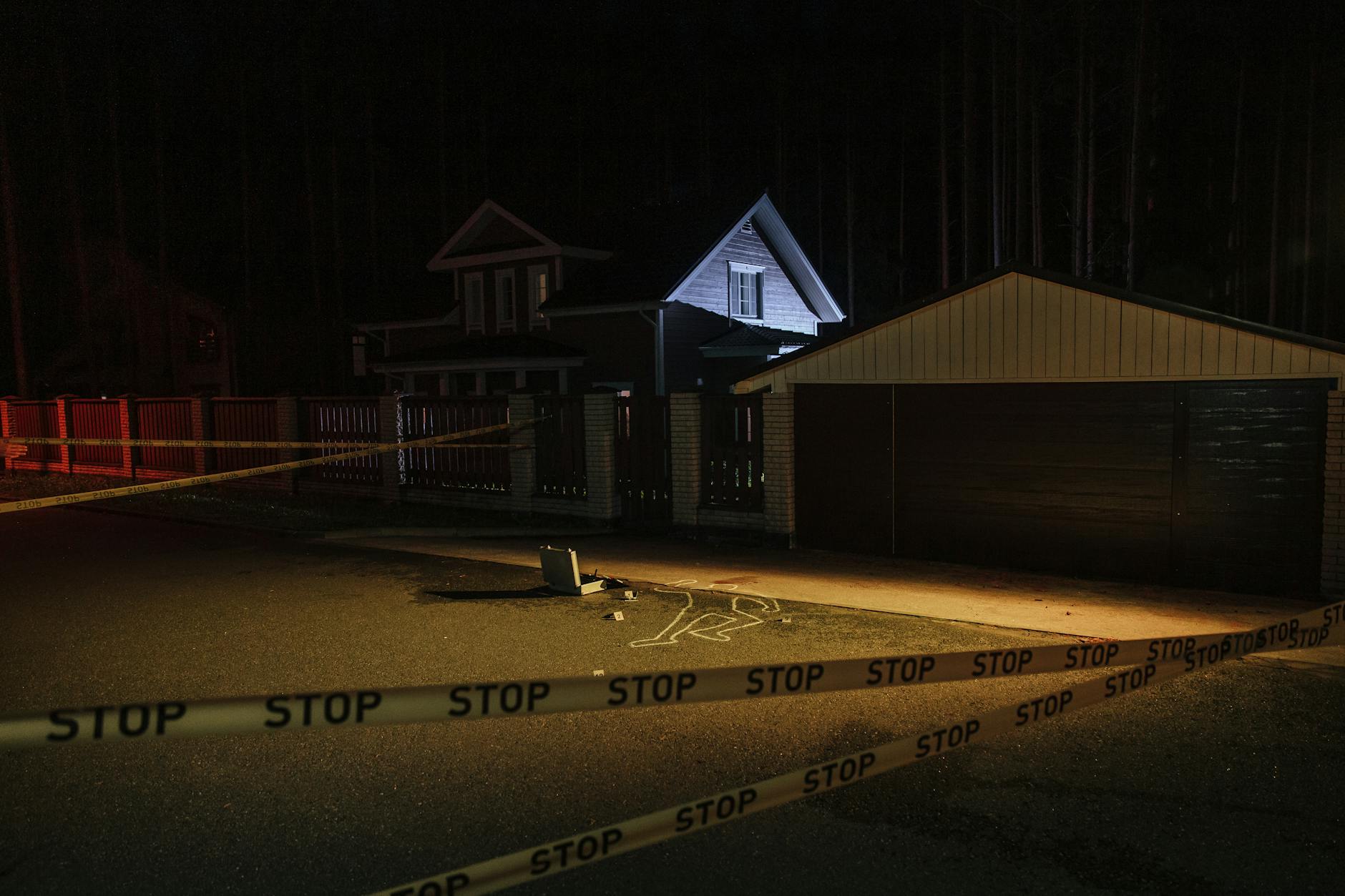
On the morning of December 23, a neighbor found her body outside the gate to her property. She was wearing nightclothes and a coat. Her injuries were severe. She had been struck repeatedly on the head with a concrete block found at the scene. Blood was found both inside the cottage and along the pathway leading to the gate, evidence she had tried to escape.
The timeline of her final hours
Investigators determined that Sophie had been attacked sometime between 1:00 a.m. and 3:00 a.m. on December 23. She had spoken to a friend in Paris by phone earlier that evening and made no mention of concern or fear. There was no sign of forced entry. Nothing appeared stolen.
The isolated location made witness accounts sparse. One local reported hearing a woman scream in the early morning hours. Another claimed to have seen a man near the cottage around the time of the attack. The roads leading to and from the area were narrow and rarely traveled at night, especially in winter.
The investigation turns to Ian Bailey
Within days, the Irish police, known as the Gardaí, began focusing on Ian Bailey, a British journalist living in the area with his partner, Jules Thomas. Bailey had arrived at the crime scene on the morning the body was discovered, claiming he was there to report on the case for a newspaper. He gave statements to police and spoke to other journalists covering the story.
Witnesses later came forward claiming Bailey had made incriminating statements. Some said he had scratches on his hands and face in the days following the murder of Sophie Toscan du Plantier. Others reported that he had spoken about the case in ways that suggested he knew details not yet made public. Bailey’s partner provided him with an alibi, stating he had been home with her the night of the murder.
Bailey was arrested twice, in 1997 and again in 1998, but was released both times without charge. The Director of Public Prosecutions in Ireland concluded there was insufficient evidence to bring the case to trial. No physical evidence directly linked Bailey to the crime scene. No forensic match was ever made. No murder weapon beyond the concrete block, which bore no identifiable prints, was recovered.
The French investigation and conviction in absentia
While Irish authorities declined to charge Bailey, French investigators pursued their own case. Under French law, because Sophie was a French citizen, France had jurisdiction to investigate and prosecute her murder. In 2019, a court in Paris tried Ian Bailey in absentia after he refused to travel to France and Ireland declined to extradite him.
The French court convicted Bailey of voluntary homicide and sentenced him to 25 years in prison. The conviction was based on witness testimony and circumstantial evidence, including the alleged incriminating statements and the scratches observed on Bailey shortly after the murder. Bailey denied any involvement and called the trial a violation of his rights.
Ireland does not extradite its own citizens, and although Bailey was British, he had lived in Ireland for years. The Irish Supreme Court ruled in 2012 that he could not be sent to France. The European Arrest Warrant issued by France was rejected. Bailey remained free in West Cork.
Bailey’s death and the questions that remain
Ian Bailey died in January 2024 at the age of 66. He had consistently maintained his innocence, and no new charges were ever filed against him in Ireland. His death effectively closed the possibility of any further legal proceedings.
Sophie Toscan du Plantier’s family, particularly her son Pierre-Louis Baudey-Vignaud, had long sought justice and criticized the Irish authorities for not prosecuting Bailey. They believed the French conviction represented a moral if not legal resolution. The Irish investigation officially remains open, but no other suspect has ever been named.
The evidence and its limits
The case against Bailey rested largely on witness statements and behavioral observations, not physical evidence. The scratches on his hands and face were noted by multiple people, but no medical or forensic examination was conducted at the time to determine their origin. The alleged confessions were secondhand accounts, often made in social settings. Bailey claimed they were either misunderstood or fabricated.
No DNA, fingerprints, or fibers tied Bailey to the scene. The murder weapon, a concrete block from a nearby bridge, yielded no usable forensic evidence. Investigators found no blood or clothing linking Bailey to the attack. The timeline of his movements that night relied entirely on his partner’s account, which some viewed as compromised given their relationship.
Supporters of Bailey argued that the case against him was built on rumor and prejudice, and that his behavior, odd as it may have seemed, did not constitute proof. Critics countered that his proximity to the crime, his early presence at the scene, and the statements attributed to him were too significant to ignore.
A case without closure
The murder of Sophie Toscan du Plantier remains one of Ireland’s most debated criminal cases. It exposed tensions between Irish and French legal systems, raised questions about how circumstantial evidence is weighed, and left a family without definitive justice. Whether Ian Bailey was guilty or wrongly accused is a question that will never be answered in a courtroom.
Sophie’s son has said he believes his mother’s killer was identified, even if Irish law did not agree. The community in West Cork remains divided. The case has been the subject of multiple documentaries, podcasts, and books, each attempting to make sense of the evidence, the accusations, and the man who lived under suspicion for more than two decades.
Where to dive deeper
- Documentary: “Sophie: A Murder in West Cork” (Netflix)
- Documentary: “Murder at the Cottage: The Search for Justice for Sophie” (Sky)
- Podcast: “West Cork” (“West Cork”, Audible)
- Book: “A Dream of Death” by Ralph Riegel