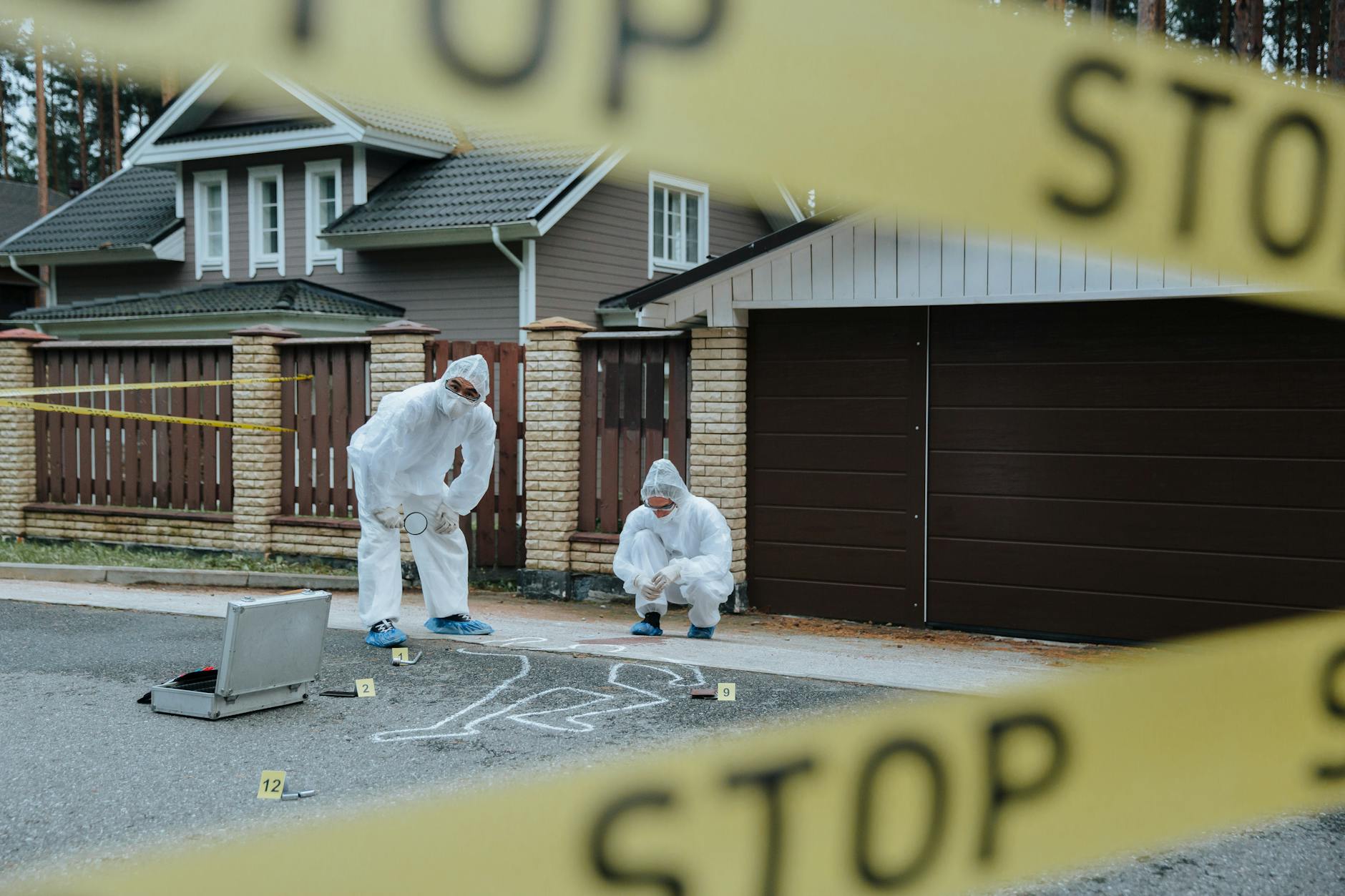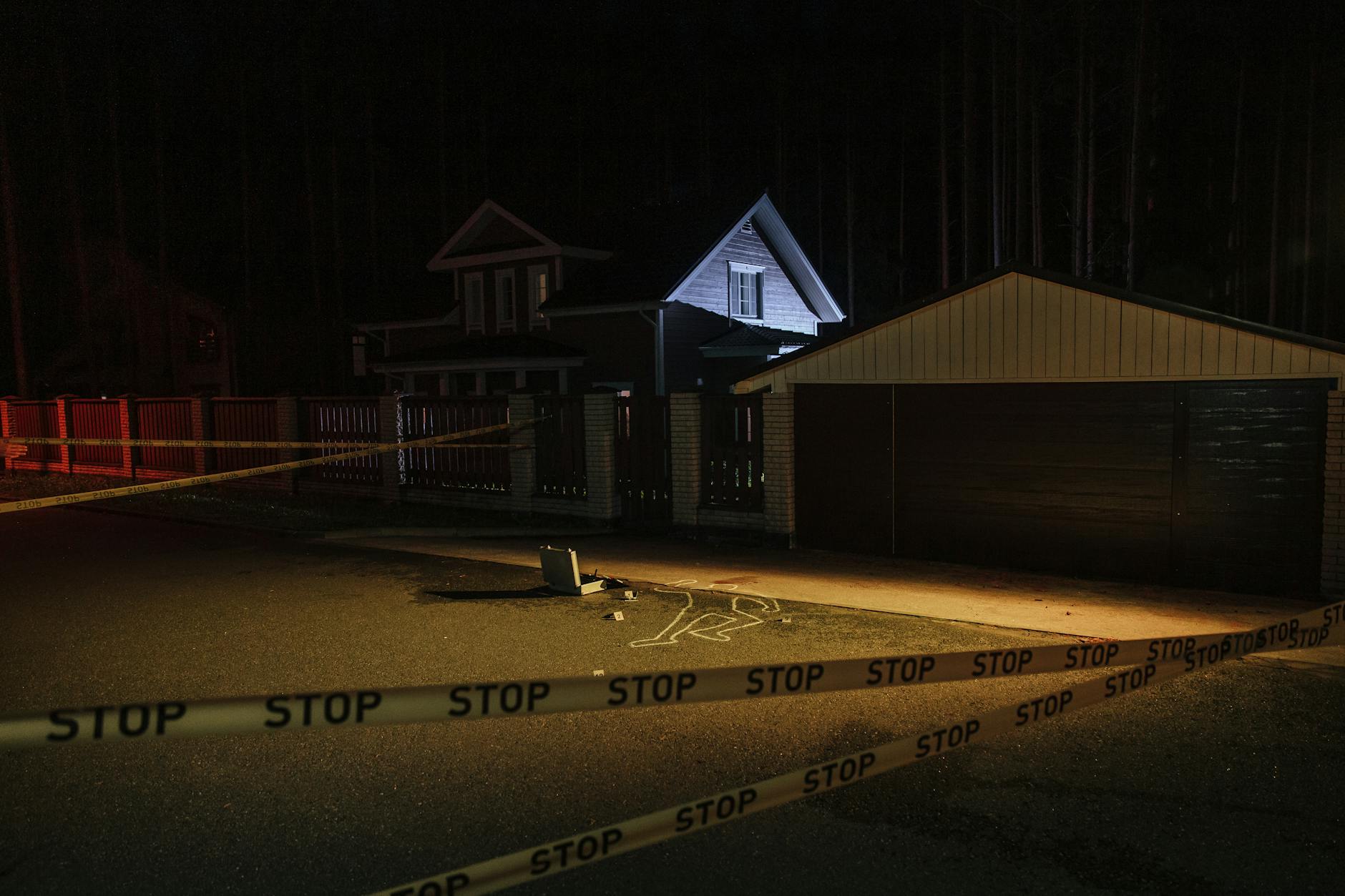



Case snapshot
Julia James, a 53-year-old police community support officer, was found dead on a rural footpath in Kent, England, in April 2021. She had been bludgeoned to death with a railway jack while walking her dog. The investigation turned on surveillance footage, digital evidence, and a suspect whose behavior in the days after her death raised immediate alarm.
The final walk
On the afternoon of April 27, 2021, Julia James left her home in the village of Snowdown to walk her Jack Russell terrier, Toby, through Akholt Wood, a secluded stretch of countryside she visited regularly. She never returned.
Her body was discovered later that day by a member of the public, lying face down near a bridle path. She had suffered catastrophic head injuries. The dog was found unharmed nearby, still on the lead.
Investigators quickly ruled out robbery or sexual assault. Nothing had been taken. There were no signs of a struggle beyond the blunt-force trauma itself. The weapon was later identified as a railway jack, a heavy iron tool used for lifting tracks. It had been carried to the scene and left behind.
A community on edge
For weeks, police flooded the area with officers, dogs, and helicopters. They set up roadblocks and interviewed hundreds of locals. Detectives issued repeated appeals for information and warned residents to avoid walking alone.
Julia James was a familiar figure in the community. She had worked for Kent Police for 15 years, most recently as a community support officer assigned to domestic abuse cases. Her role made her visible, trusted, and widely recognized.
Early in the investigation, police explored whether her work had made her a target. They reviewed her caseload, contacted individuals she had dealt with professionally, and examined potential threats. No clear connection emerged.
The breakthrough
The case turned on CCTV and doorbell camera footage collected from homes and farms along the footpaths near Akholt Wood. Detectives pieced together movements from the days before and after the killing.
One figure appeared repeatedly. A man, often wearing the same clothing, walking the same rural routes. He was captured on multiple cameras in the area on April 27. He was also seen in the vicinity in the days leading up to the murder.
On May 7, 2021, police arrested Callum Wheeler, a 21-year-old local man who lived with his parents in nearby Aylesham. He was unemployed, had no prior criminal record of violence, and spent much of his time walking through the countryside alone.
Searches of Wheeler’s home uncovered the clothing seen in the footage. Investigators also found evidence that he had been researching news coverage of the murder obsessively in the days following Julia James’s death.
The evidence at trial
Wheeler was charged with murder in May 2021. He denied the charge. The trial, held at Canterbury Crown Court in 2022, centered on forensic evidence, digital records, and witness testimony.
Prosecutors argued that Wheeler had become fixated on Julia James after encountering her on previous walks. They presented CCTV footage showing him in the area multiple times before the murder, including the day she was killed. His phone data placed him near the scene.
The railway jack used to kill her was never found, but investigators recovered fragments of rust and metal from the scene consistent with such a tool. Wheeler had access to railway equipment through areas near his home.
His behavior after the killing also became central to the case. He had returned to the area repeatedly in the days following the murder, walking past the scene and watching police activity. He searched online for updates on the investigation and saved news articles about Julia James’s death.
Wheeler’s defense argued that the evidence was circumstantial. His lawyers pointed out that no DNA linked him to the victim, no weapon was recovered, and no eyewitness placed him at the exact moment of the attack. They described him as a man who enjoyed long walks in the countryside and suggested his presence in the area was coincidental.
The verdict
In May 2022, after deliberating for more than seven hours, the jury found Callum Wheeler guilty of murder. He showed no reaction as the verdict was read.
During sentencing, the judge described the killing as a savage and ruthless attack and said Wheeler had shown no remorse. He was sentenced to life in prison with a minimum term of 37 years.
Julia James’s family released a statement calling her a devoted mother and grandmother whose life had been taken senselessly. They thanked the investigation team for their work in securing a conviction.
What remains unanswered
Despite the conviction, certain questions linger. Wheeler never explained why he killed Julia James. He did not testify at trial, and investigators found no clear motive. There was no prior connection between the two, no evidence of stalking beyond the days before the murder, and no apparent reason for the attack.
The absence of a weapon also left gaps. While prosecutors argued convincingly that a railway jack had been used, the tool itself was never recovered. Without it, some forensic questions remained unresolved.
Wheeler’s digital behavior after the murder suggested a fascination with the crime, but whether that reflected guilt, curiosity, or something else was left to interpretation. His silence throughout the investigation and trial meant the full story of what happened on that footpath may never be known.
Where to dive deeper
- Documentary: “The Murder of Julia James” (Channel 5)
- Book: “A Life Stolen: The Murder of Julia James” by Paul Cheston
- Podcast: “The Murder of Julia James” (“Crime Beat”, Audioboom)