


Case snapshot
Lucie Blackman, a 21-year-old British hostess working in Tokyo’s Roppongi district, vanished on July 1, 2000, after leaving to meet a customer. Seven months later, her dismembered remains were discovered in a seaside cave, encased in concrete. The investigation would expose a predator, a trail of victims, and a legal system that left critical questions unanswered.
The disappearance
Lucie Blackman arrived in Tokyo in May 2000 with her friend Louise Phillips. Both took jobs as hostesses at Casablanca, a club in Roppongi where foreign women entertained wealthy Japanese clients in exchange for conversation and drinks. The work was legal, lucrative, and common among young expats seeking adventure in Japan.
On the afternoon of July 1, Lucie called Louise to say she was going to the beach with a customer. She promised to phone back within an hour. She never did.
Louise reported her missing that evening. Tokyo Metropolitan Police began investigating immediately, but the case gained little traction. Lucie’s family in England, led by her father Tim Blackman, flew to Japan and launched their own search. They distributed flyers, held press conferences, and pushed authorities to treat the case with urgency.
For months, there were no answers. No body. No suspect. Just silence.
The discovery
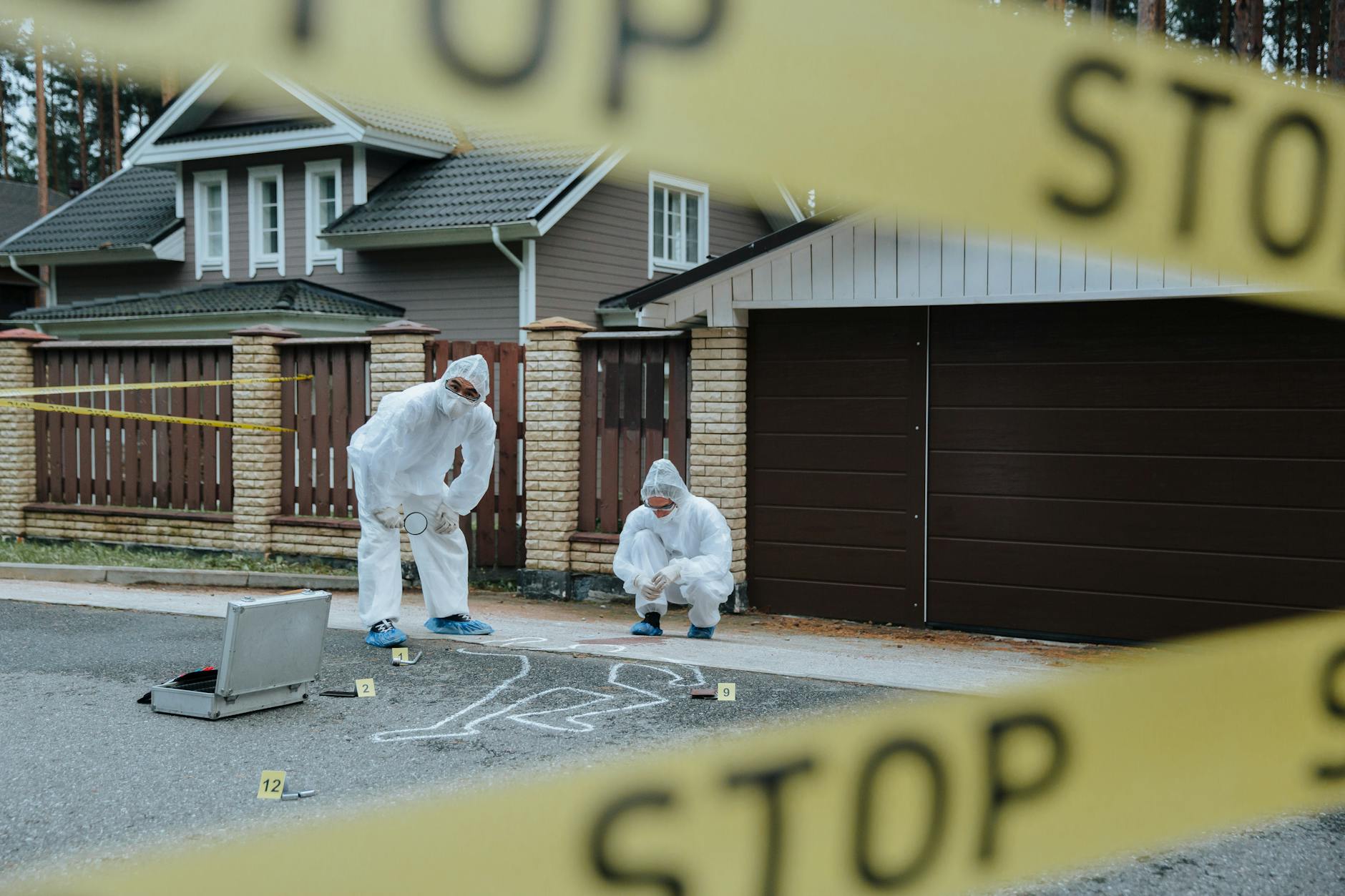
On February 9, 2001, a caller tipped off police to a location in Miura, a coastal area southwest of Tokyo. The following day, investigators found Lucie’s body buried in a shallow cave near the ocean. Her remains had been dismembered and encased in concrete. Dental records confirmed her identity.
The discovery confirmed what her family had feared. Lucie had been murdered.
The suspect
Investigators focused on Joji Obara, a wealthy real estate investor with a history of targeting foreign women. Born Kim Sung Jong to Korean parents in Japan, Obara had changed his name and amassed significant wealth through property holdings. He lived in luxury apartments and maintained a lifestyle designed to attract young women.
Police searched Obara’s properties and found hundreds of videotapes. The footage showed unconscious women in his apartments, many of them drugged. Some were assaulted. Others appeared unresponsive. Lucie Blackman was not among the women captured on tape, but the tapes revealed a pattern.
Obara had been drugging and assaulting women for years.
The charges
In October 2000, months before Lucie’s body was found, Obara was arrested on separate charges related to the rape of another woman. After the discovery of Lucie’s remains, prosecutors added charges of abduction leading to death, dismemberment, and destruction of evidence.
Obara was also linked to the death of Carita Ridgway, an Australian hostess who died in 1992 after visiting his apartment. Her death had been ruled accidental at the time, but investigators reopened the case. They concluded she had been drugged with chloroform.
Prosecutors alleged that Obara drugged Lucie, and that she died as a result. They argued he dismembered her body to hide the crime. But they could not prove he intended to kill her.
The trial
Obara’s trial began in 2001 and stretched over six years. He refused to speak in court. His defense argued there was no direct evidence linking him to Lucie’s death. No DNA. No forensic proof of drugging. No confession.
In April 2007, the Tokyo District Court delivered its verdict. Obara was acquitted of Lucie Blackman’s abduction and death. The court ruled that prosecutors had not proven beyond reasonable doubt that he caused her death.
He was, however, convicted of raping and drugging eight other women, including Carita Ridgway. He was sentenced to life in prison.
Lucie’s family was devastated. They had waited seven years for justice. Instead, they got a partial conviction and a lifetime of unanswered questions.
The appeal
Prosecutors appealed the acquittal. In 2008, the Tokyo High Court upheld the original ruling. The court acknowledged that Obara likely played a role in Lucie’s death but maintained that the evidence was insufficient for a murder conviction.
Obara remained in prison for his other crimes. Lucie’s case remained legally unresolved.
The aftermath
Tim Blackman and Lucie’s family continued to speak publicly about the case. They criticized the Japanese legal system, the delays, and what they saw as a failure to hold Obara fully accountable. Tim died in 2023, still seeking closure.
Lucie’s case drew international attention to the hostess industry in Japan and the risks foreign women faced working in Roppongi’s nightlife. It also exposed gaps in how Japanese authorities handled cases involving foreign victims.
Obara never spoke about what happened to Lucie. He maintained his silence throughout the trial and appeals. To this day, he has offered no explanation.
The lingering questions
Why was Lucie’s body dismembered and hidden in concrete if her death was accidental? Why were there no usable forensic traces linking Obara to the crime scene? And why did the legal system conclude that the evidence, circumstantial as it was, did not meet the threshold for conviction?
The answers remain buried with the case itself.
Lucie Blackman’s murder is technically unsolved in the eyes of Japanese law. Joji Obara is in prison, but not for killing her. The evidence was there. The pattern was clear. But the system required more.
And so the case sits, unfinished.
Where to dive deeper
- Documentary: “Lucie Blackman: The Mystery in Tokyo” (Investigation Discovery)
- Book: “People Who Eat Darkness: The True Story of a Young Woman Who Vanished from the Streets of Tokyo and the Evil That Swallowed Her Up” by Richard Lloyd Parry
- Podcast: “The Mysterious Death of Lucie Blackman” (“Casefile True Crime”, Casefile Presents)