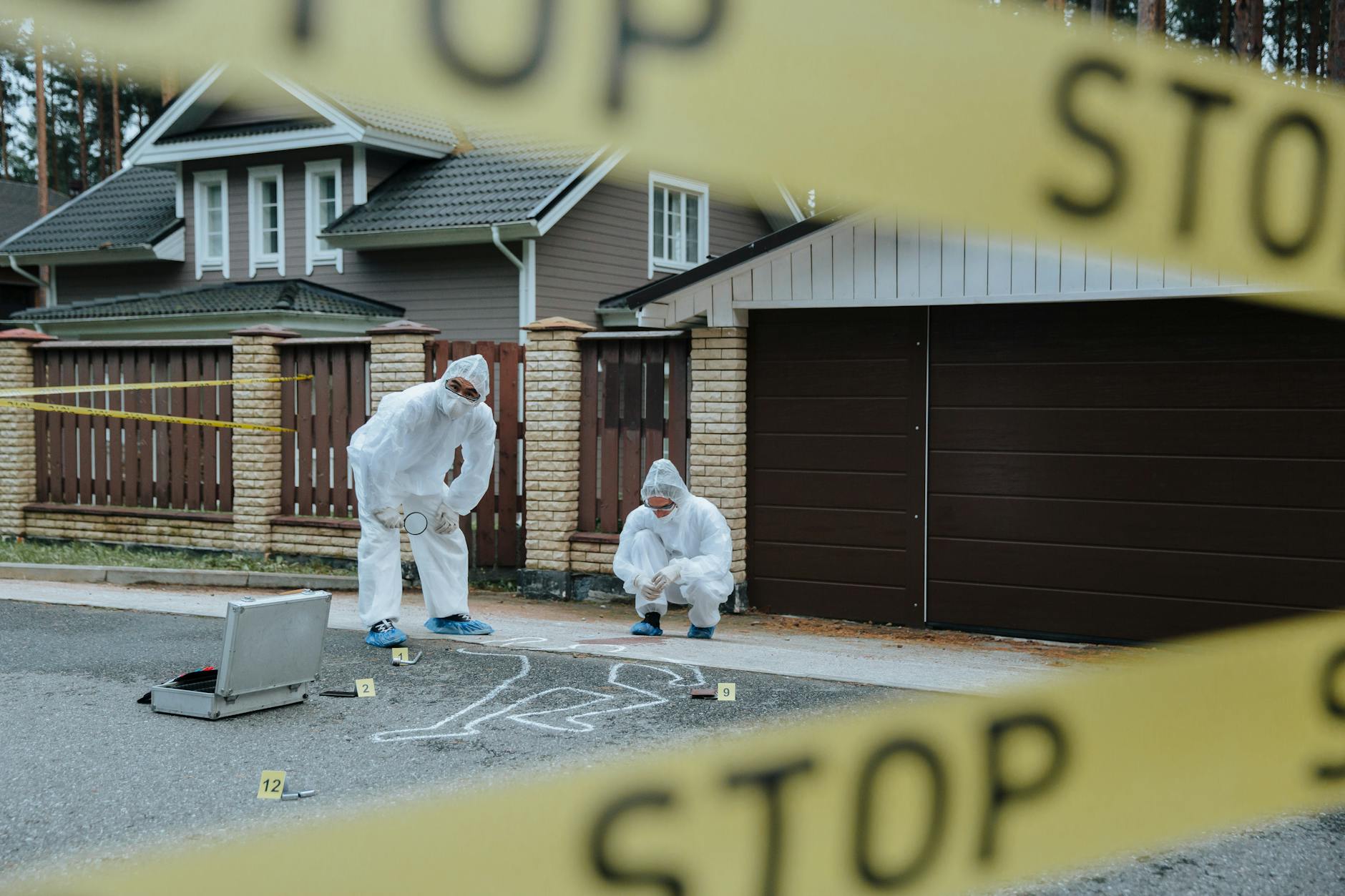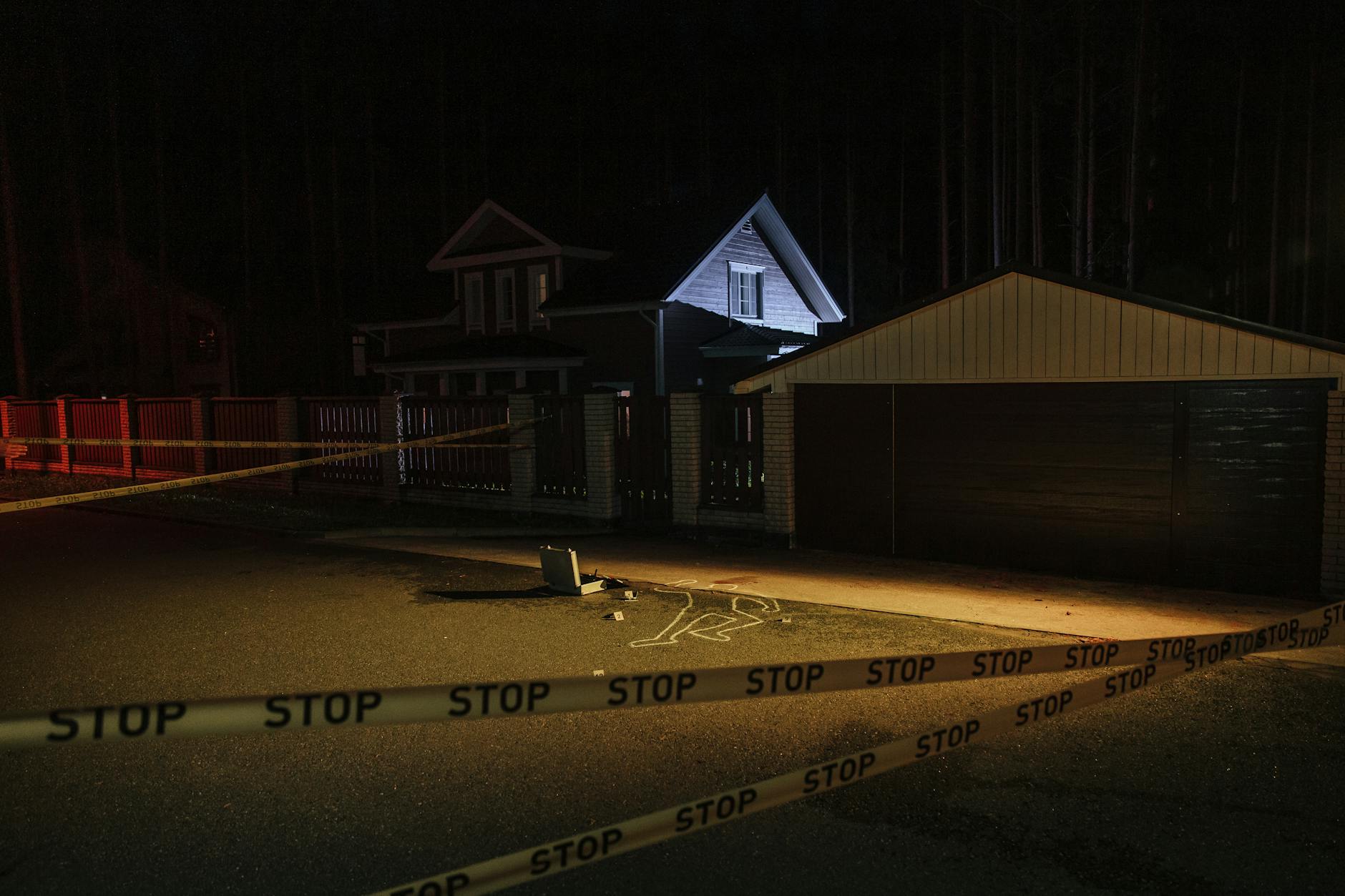



Case snapshot
Helen Bailey, a successful children’s author, disappeared from her Hertfordshire home in April 2015. Three months later, her body was found in the cesspool beneath her garage, along with her dog. Her fiancé, Ian Stewart, had reported her missing and appealed for her safe return.
The victim
Helen Bailey had rebuilt her life after tragedy. Her first husband, John Sinfield, drowned while the couple was on holiday in Barbados in 2011. The loss devastated her, but she channeled her grief into writing, maintaining a blog called Planet Grief that resonated with thousands of readers navigating their own losses.
By 2011, she had met Ian Stewart on a widows and widowers online forum. Both had lost spouses. Both understood grief. Stewart seemed like a second chance.
Bailey was the author of the popular Electra Brown series, books aimed at young readers that had earned her financial success and a loyal following. She lived in a large home in Royston, Hertfordshire, valued at over £1.5 million. She was independent, creative, and cautious with her money. She had a will, investments, and a careful approach to her finances.
Stewart moved into her home. They became engaged. To those around them, the relationship appeared solid, if quiet. Bailey’s friends noted that Stewart was reserved, sometimes sullen, but they attributed it to his own grief.
The disappearance
On April 11, 2015, Helen Bailey vanished. Stewart reported her missing, telling police she had gone to stay at a spa in Hampshire to clear her head. He said she had been stressed and needed time away. He expressed concern, filed a missing person report, and participated in public appeals.
Her car was found near an Aston Rowant interchange, miles from the spa Stewart claimed she had mentioned. There was no record of a reservation. No sightings. No activity on her phone or bank accounts.
For three months, investigators searched. Friends distributed flyers. Stewart appeared in media interviews, his face drawn, his voice steady. He spoke of hope. He asked the public for help.
The discovery
On July 15, 2015, police returned to Bailey’s home with cadaver dogs. The dogs alerted to the garage. Beneath it was a cesspool, a large underground septic chamber used to store waste. Officers removed the cover.
Inside, they found Helen Bailey’s body, along with the remains of her dachshund, Boris. Both had been placed in the tank and covered with debris. The cesspool was deep, hidden, and inaccessible without intent. This was not an accident.
Investigators also found the body of Stewart’s first wife’s dog in the tank, raising immediate questions about the circumstances of his first wife’s death.
The investigation
Stewart was arrested. A search of the property uncovered medication in Bailey’s system, specifically Zopiclone, a sleeping drug she had not been prescribed. Investigators found evidence that Stewart had been purchasing the medication and sedating Bailey over time.
Financial records revealed motive. Stewart had convinced Bailey to add him to her will, naming him as a beneficiary. He stood to inherit her estate, valued at nearly £4 million, including her home, savings, and future book royalties. He had debts. He had lied about his financial situation.
Phone records and witness testimony further complicated his story. Stewart had been in contact with a man named Jamie Paxton, his handyman. Investigators believed Paxton had helped Stewart dispose of Bailey’s body, though the extent of his involvement remained unclear.
Stewart’s story unraveled under scrutiny. He claimed Bailey had left for the spa. He claimed he had no knowledge of her whereabouts. But the evidence showed he had access to the cesspool, the medication, and the financial documents that would benefit him directly.
The trial
Stewart stood trial at St Albans Crown Court in 2017. Prosecutors argued that he had drugged Bailey over a period of time, killed her, and placed her body in the cesspool with the help of Paxton. They presented evidence of his financial motive, his access to Zopiclone, and his inconsistent statements to police.
Stewart maintained his innocence. He claimed he had been framed. He suggested that Paxton, acting alone, had killed Bailey and hidden her body without his knowledge. He denied any involvement in her death or the disposal of her remains.
The prosecution highlighted the presence of Boris, Bailey’s beloved dog, in the cesspool. Bailey would not have willingly left her dog behind. She would not have disappeared without a trace. The placement of both bodies in the cesspool required knowledge, access, and intent.
On February 20, 2017, the jury convicted Ian Stewart of murder. He was sentenced to life in prison with a minimum term of 34 years. Jamie Paxton was not charged in connection with Bailey’s death, though questions about his involvement persisted.
The aftermath
Following his conviction, investigators reopened the case of Stewart’s first wife, Diane Stewart, who had died suddenly in 2010. She had collapsed at home, and her death was initially attributed to natural causes, specifically epilepsy. Stewart had been alone with her at the time.
Authorities exhumed Diane Stewart’s body. Toxicology tests revealed she had been sedated before her death. In 2017, Stewart was charged with her murder. In 2022, he was convicted of killing her as well, using similar methods. He had drugged her, suffocated her, and staged the scene to appear as though she had died from a seizure.
Helen Bailey’s family and friends expressed relief at the conviction, but also grief over the years she had lost to a man who had manipulated her trust. Her blog, Planet Grief, remained online, a testament to her openness about loss and her belief in rebuilding after tragedy.
Unresolved questions
The full extent of Jamie Paxton’s involvement remains unclear. Prosecutors believed he helped move Bailey’s body, but no charges were filed. Whether he acted under coercion, for payment, or out of loyalty to Stewart has never been publicly established.
Stewart’s pattern of behavior, his ability to deceive two partners and their families, and the years that passed before investigators connected the deaths of both women continue to haunt those who knew the victims. Diane Stewart’s death had been accepted as natural for years. Helen Bailey’s disappearance might have remained unsolved had the cadaver dogs not alerted to the cesspool.
The case underscored the dangers of financial manipulation within intimate relationships and the difficulty of detecting long-term poisoning. Bailey had been a successful, independent woman with resources and a public platform. She had still become a victim.
Where to dive deeper
- Documentary: “How to Kill Your Wife: The Helen Bailey Case” (Channel 5)
- Book: “The Helen Bailey Murder: A Life Stolen” by Paul Cheston
- Podcast: “The Murder of Helen Bailey” (“True Crime All The Time”, Grizzly True Crime)