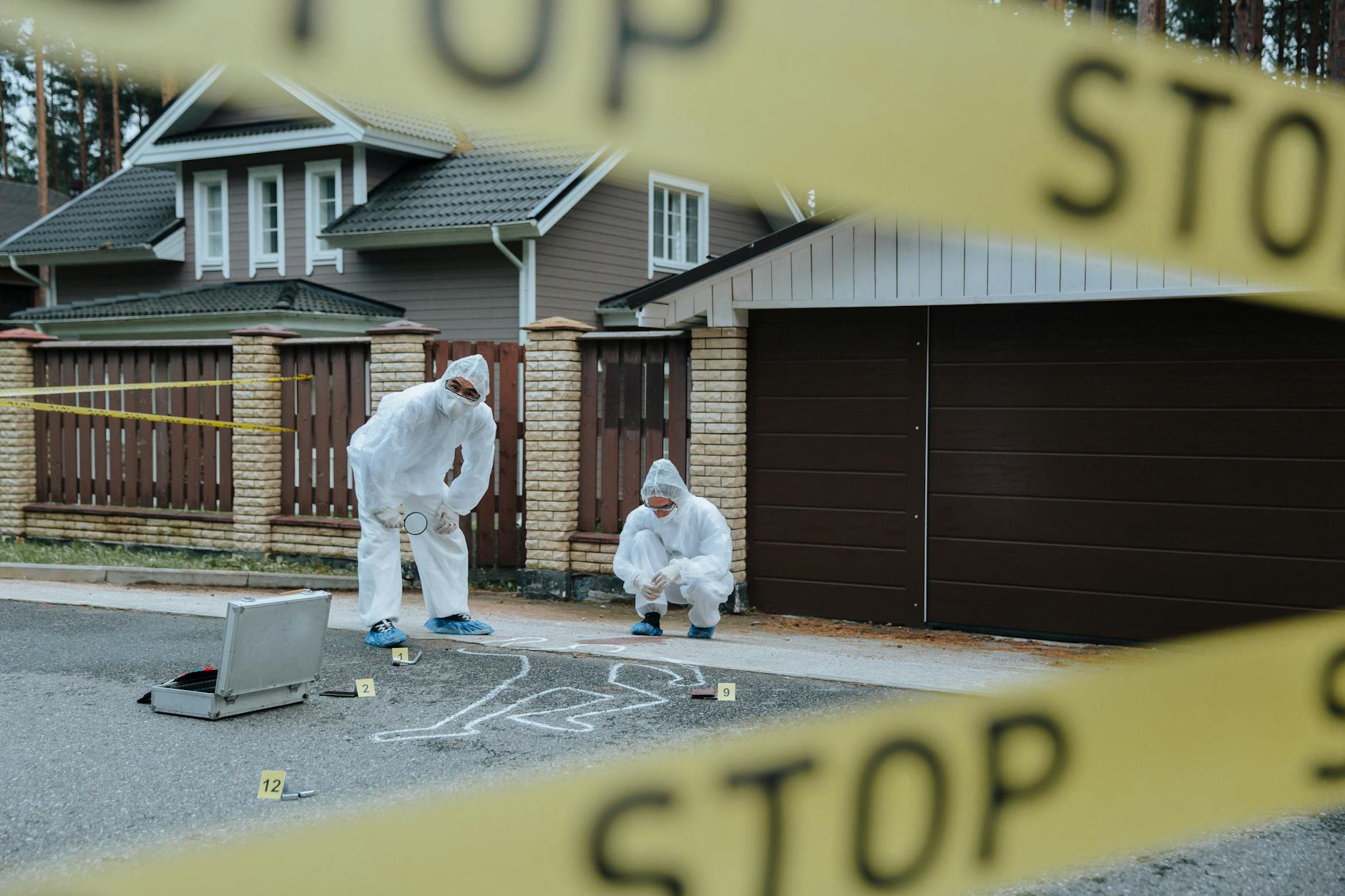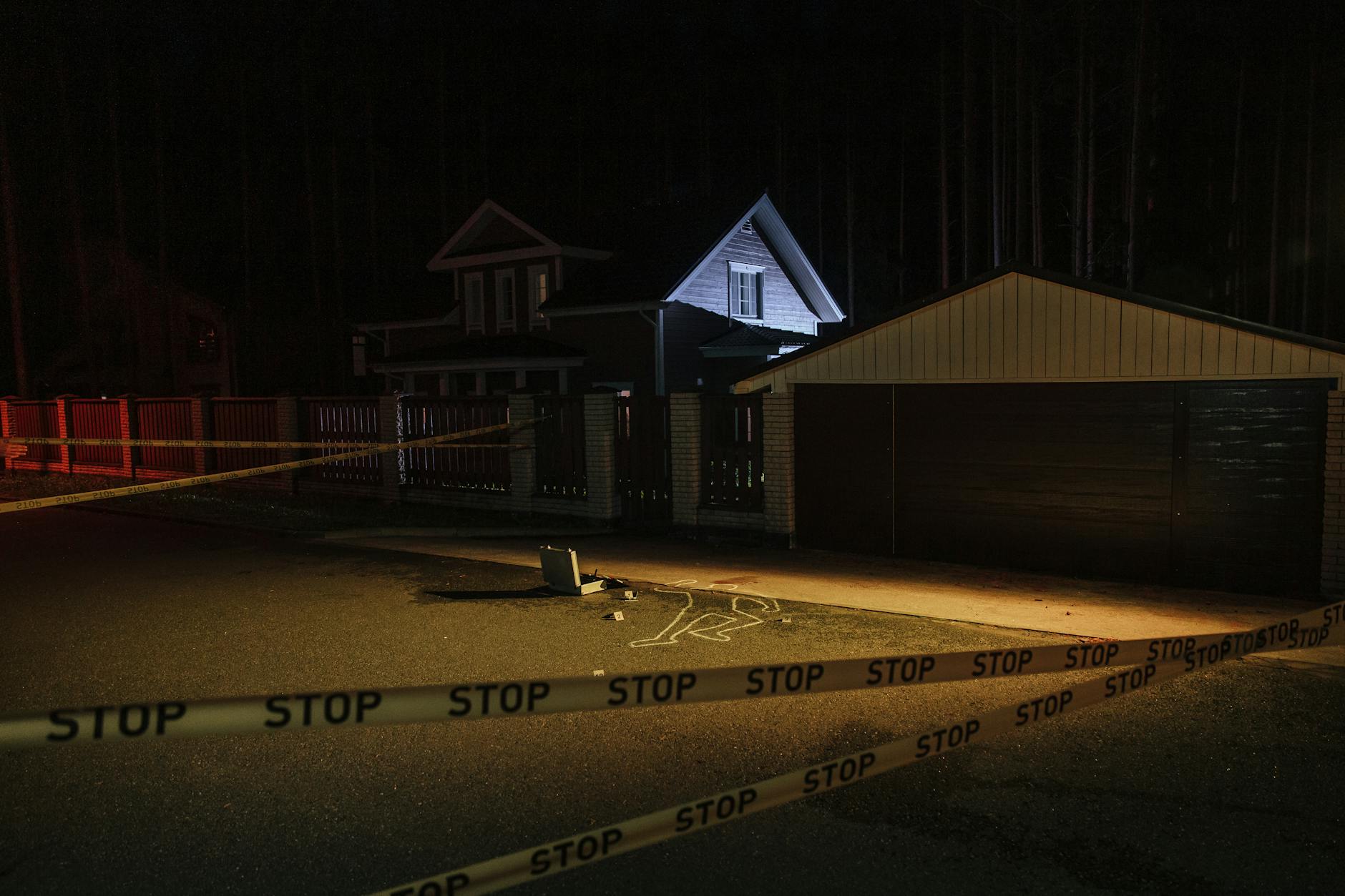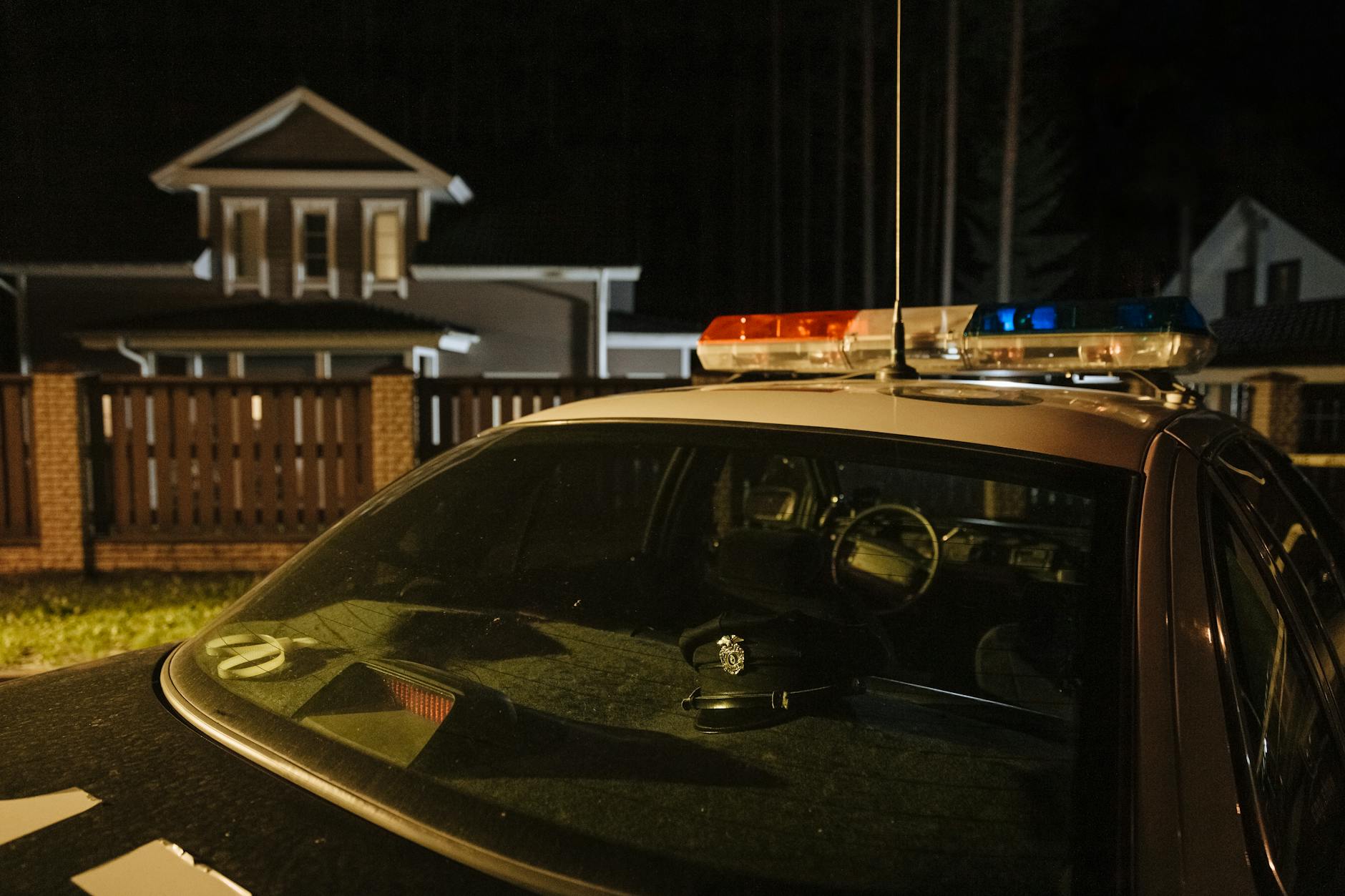




On December 2, 2016, a car sat abandoned on the Route 35 bridge in Belmar, New Jersey, its hazard lights blinking into the cold night air. Inside, keys remained in the ignition. The driver’s door stood open. To passing motorists, it looked like someone had simply stepped away, perhaps to peer over the railing at the Shark River Inlet below.
But 19-year-old Sarah Stern would never return to that vehicle. What began as a potential suicide would unravel into something far darker: a calculated murder carried out by someone she’d known since childhood.
The Final Hours of Sarah Stern
Sarah Stern spent her last day alive much as she had spent many others, with friends, making plans, looking forward to her future at Monmouth University. The murder of Sarah Stern wasn’t a random encounter or a crime of opportunity. According to investigators, it was the result of a deliberate plan fueled by greed.
On December 2nd, Sarah had been preparing to leave for her first college experience in Canada. She withdrew money from her bank account and ran errands throughout the day. She texted friends and posted on social media, her digital footprint painting a picture of a young woman excited about what lay ahead.
That evening, Sarah went to prom with Liam McAtasney, a childhood friend she’d known since sixth grade. They took photographs. They smiled. Hours later, prosecutors say, McAtasney strangled Sarah in her own home, driven by rumors that she’d discovered a shoebox containing thousands of dollars in cash left by her late mother.
The timeline investigators pieced together proved crucial. Sarah’s last confirmed communication came around 2:00 AM on December 3rd. By 3:00 AM, surveillance footage captured McAtasney’s car heading toward the bridge where Sarah’s vehicle would be found. Cell phone records placed both McAtasney and his accomplice, Preston Taylor, in the vicinity during those critical hours.
From Missing Person to Murder Investigation
Initially, authorities treated Sarah’s disappearance as a potential suicide. The abandoned car, the bridge, the dark water below suggested a tragic scenario. Search teams scoured the Shark River Inlet. Divers plunged into the frigid December waters. Days turned into weeks with no sign of Sarah.
But inconsistencies began to emerge. Sarah had shown no signs of depression or suicidal thoughts. She’d been making concrete plans for her future. Her father, Michael Stern, insisted his daughter would never have taken her own life. Friends echoed this, describing a young woman full of hope and ambition.
The investigation shifted when detectives examined Sarah’s relationships more closely. Liam McAtasney and Preston Taylor, both longtime friends, emerged as persons of interest. Their stories about their interactions with Sarah in her final hours contained discrepancies. Their behavior following her disappearance struck investigators as unusual.
The breakthrough came not from physical evidence at a crime scene, but from McAtasney’s own words.
The Confession That Changed Everything
In January 2017, roughly six weeks after Sarah vanished, authorities obtained perhaps the most damning evidence in the murder of Sarah Stern: a secretly recorded conversation between Liam McAtasney and Anthony Curry, a high school acquaintance.
During this recording, McAtasney provided chilling details about how he’d allegedly strangled Sarah for approximately 30 minutes until she died. He described throwing her body off the Route 35 bridge with Preston Taylor’s help, staging the scene to look like a suicide. He spoke about the money he believed she possessed, cash he claimed to have stolen from her home.
The recording wasn’t obtained by law enforcement through a wiretap. Curry himself had grown suspicious of McAtasney’s behavior and comments. After recording the conversation, he brought the evidence to police. The audio would become the centerpiece of the prosecution’s case.
On February 1, 2017, authorities arrested both Liam McAtasney and Preston Taylor. McAtasney faced charges of murder, felony murder, robbery, conspiracy, disturbing or desecrating human remains, and tampering with evidence. Taylor faced similar charges and would eventually agree to cooperate with prosecutors.
The Evidence Problem
Despite the recorded confession and Taylor’s testimony, the murder of Sarah Stern presented prosecutors with a significant challenge: Sarah’s body was never recovered. The Shark River Inlet empties into the Atlantic Ocean, and currents could have carried remains far from the disposal site. Without a body, without a definitive crime scene, the case rested heavily on circumstantial evidence and the words of the accused and his accomplice.
The defense attacked the reliability of the confession recording, arguing that McAtasney had been fabricating stories to appear tough or impressive to Curry. They questioned Preston Taylor’s credibility, noting he’d negotiated a plea deal in exchange for his testimony. They highlighted the lack of physical evidence directly tying McAtasney to any violent act.
But prosecutors built their case methodically. They presented:
- The confession recording with McAtasney’s detailed description of the murder
- Cell phone location data placing both defendants at key locations during the critical timeline
- Surveillance footage showing vehicle movements consistent with the prosecution’s theory
- Preston Taylor’s testimony describing his role in disposing of Sarah’s body
- Evidence that McAtasney had researched drowning and ocean currents before Sarah’s death
- Testimony from friends and family about McAtasney’s obsession with the money he believed Sarah possessed
The Trials and Verdicts
Preston Taylor accepted a plea deal and received an 18-year sentence in exchange for his testimony against McAtasney. He admitted to helping dispose of Sarah’s body and cover up the crime, though he maintained he hadn’t participated in the killing itself.
Liam McAtasney’s trial began in February 2019. Over several weeks, jurors heard the confession recording repeatedly. They listened to Preston Taylor describe the events of that December night. They examined timelines, phone records, and surveillance footage.
The defense argued that without a body, without forensic evidence, without witnesses to the actual murder, the case was built on speculation and the unreliable testimony of an accomplice seeking a reduced sentence. They characterized the confession as the boastful fabrications of an immature young man trying to impress a peer.
The jury deliberated for just a few hours before returning a verdict: guilty on all counts. In March 2019, McAtasney was sentenced to life in prison without the possibility of parole.
The Unanswered Questions
Even with convictions secured, the murder of Sarah Stern leaves lingering questions that haunt those who followed the case. Where exactly did Sarah’s body come to rest? Was the amount of money McAtasney allegedly stole, variously reported as anywhere from a few thousand to tens of thousands of dollars, worth taking a life?
Perhaps most troubling is the question of how someone Sarah trusted since childhood could betray her so completely. The case is a stark reminder that danger can come from familiar faces, that years of friendship offer no guarantee of safety, and that greed can motivate unthinkable acts.
For Sarah’s family, particularly her father Michael, the convictions brought a measure of justice but no real closure. Without recovering Sarah’s remains, they have no final resting place to visit, no grave at which to mourn. The ocean that allegedly received Sarah’s body keeps its secrets.
The Route 35 bridge still spans the Shark River Inlet, and motorists still cross it daily, most unaware of the tragedy that unfolded there. For those who knew Sarah Stern, however, that stretch of road serves as a permanent memorial to a young life taken far too soon and a trust betrayed in the most devastating way possible.