


Case snapshot
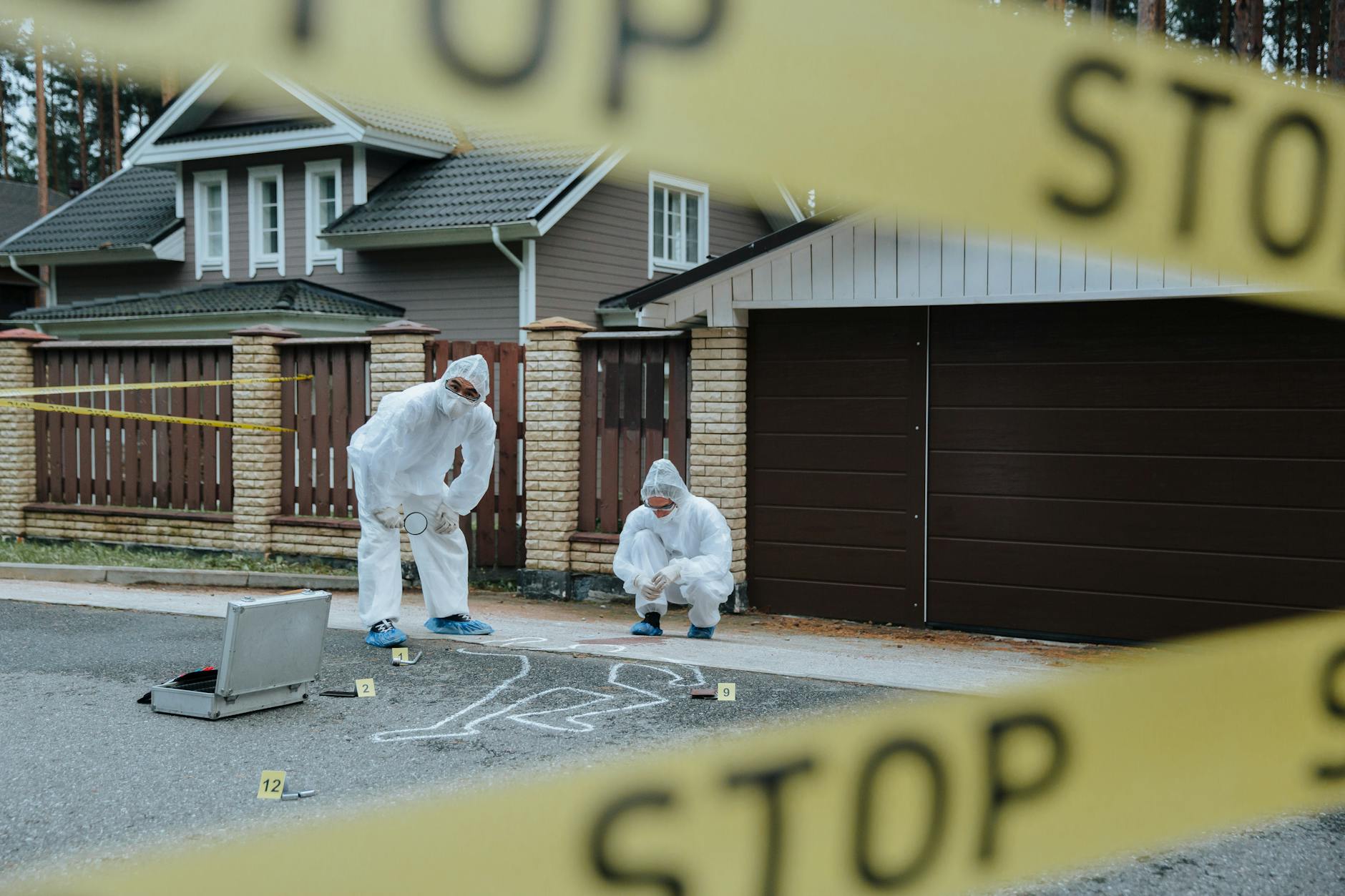
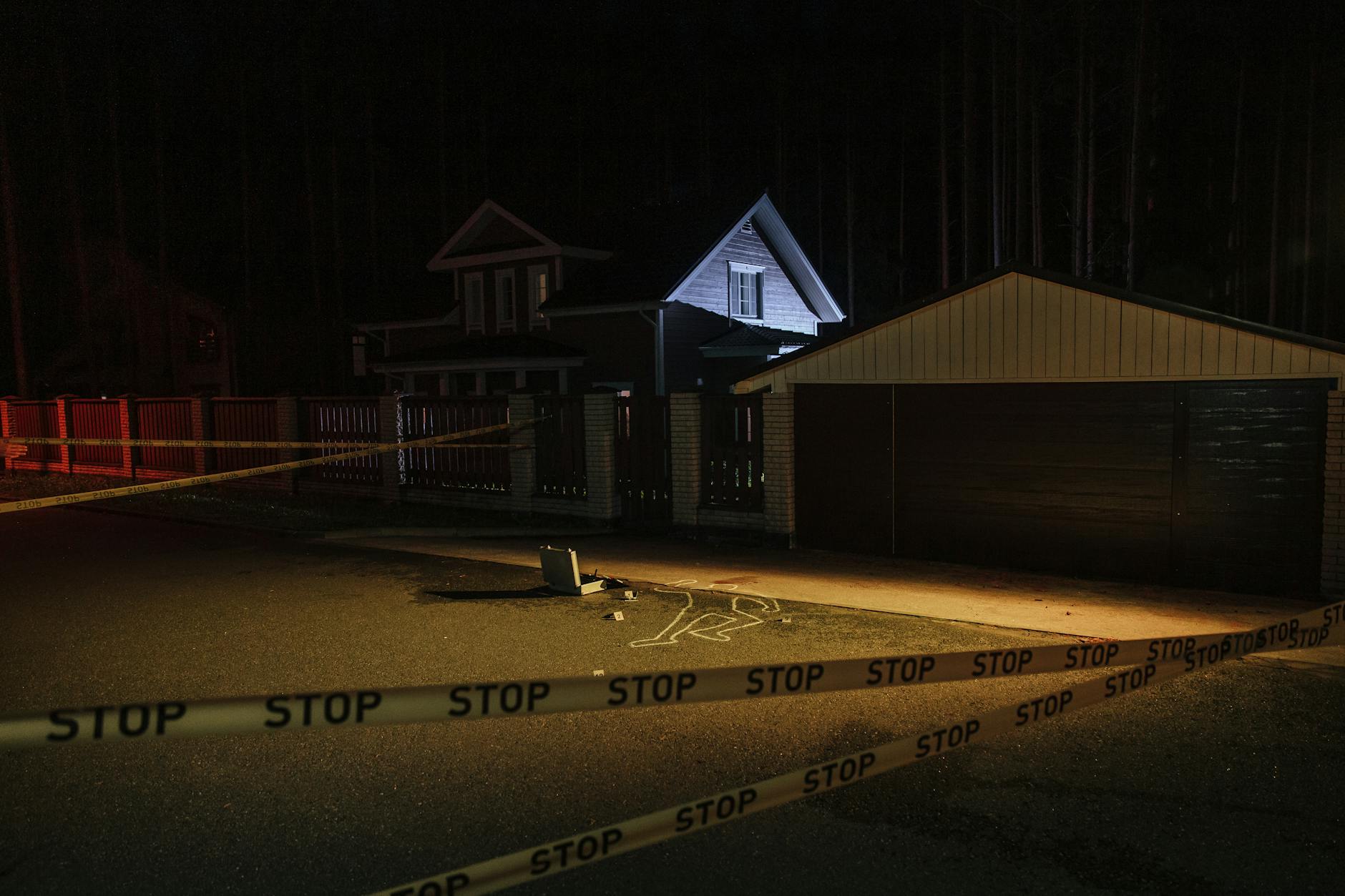
On April 26, 1999, BBC presenter Jill Dando was shot once in the head on the doorstep of her Fulham home in west London. The execution-style killing of one of Britain’s most recognizable television personalities sent shockwaves through the nation. More than two decades later, no one has been successfully convicted of her murder.
The victim
Jill Dando was 37 years old and at the height of her career when she was killed. As the co-host of “Crimewatch,” the BBC’s flagship crime appeal program, she was a familiar face in millions of British homes. She had spent years helping police solve cases by bringing unsolved crimes to the public’s attention. The irony of her own murder becoming one of the country’s most infamous cold cases was not lost on anyone.
Dando was described as professional, warm, and well-liked. She had recently gotten engaged and was planning her wedding. On the morning of her death, she was living between two homes, her place in Fulham and her fiancé’s residence. That morning, she decided to stop by her own house.
The final hours
Dando left her fiancé’s home in Chiswick and drove to Fulham. She stopped to shop, picking up items at a local store. Witnesses later reported seeing her in the area that morning, going about her day without any apparent concern or distress.
She arrived at her home on Gowan Avenue just before 11:30 a.m. As she approached her front door, someone attacked her. A single gunshot was fired at close range to her head. She collapsed on her doorstep. A neighbor discovered her shortly after and called emergency services, but Dando was pronounced dead at the scene.
The method was clinical. The weapon was pressed against her head. There was no struggle, no sign she had time to react. It appeared to be an execution.
The investigation begins
The Metropolitan Police launched one of the largest murder investigations in British history. The killing of a television presenter in broad daylight, in a quiet residential neighborhood, was both shocking and baffling. Detectives interviewed thousands of people. They reviewed hours of footage. They fielded hundreds of tips.
Several theories emerged early. Some believed the killing was connected to her work on “Crimewatch.” Perhaps someone she had helped put away, or a criminal angered by her role in publicizing unsolved cases, had targeted her. Others speculated about a professional hit, given the precision and lack of evidence left behind.
There was also speculation about international connections. Dando had reported on stories involving organized crime and had traveled for her work. Some theorists pointed to a BBC documentary she had been involved with that covered violence in the Balkans, suggesting retaliation from foreign criminal networks.
But theories were one thing. Evidence was another.
The arrest
A year after the murder, police arrested Barry George, a local man with a history of criminal behavior and obsessive tendencies. He lived less than a mile from Dando’s home. Detectives believed he fit the profile of someone capable of such an attack.
George had been known to police. He had previous convictions, including attempted rape. Neighbors described him as odd, prone to stalking women, and fixated on firearms and military imagery. He had been seen in the area around the time of the murder.
The case against him rested heavily on a single particle of firearms residue found in the pocket of a coat seized from his flat. Prosecutors argued this particle linked him to the weapon used to kill Dando. They also pointed to his behavior, his proximity to the crime scene, and his lack of a solid alibi.
The trial and conviction
In 2001, Barry George was tried for the murder of Jill Dando. The prosecution presented the firearms residue as key evidence, alongside testimony about his character and movements. The defense argued the evidence was circumstantial, that the particle could have come from contamination, and that there was no direct proof George had ever been in contact with Dando.
The jury convicted him. He was sentenced to life in prison.
For many, the conviction brought a sense of closure. For others, doubts lingered. The case had been built on indirect evidence. There was no weapon, no witness who could place George at the scene at the moment of the killing, and no clear motive.
The appeal and acquittal
Barry George appealed his conviction. His legal team challenged the reliability of the firearms residue evidence, arguing it was insufficient to prove guilt beyond a reasonable doubt. In 2007, his conviction was overturned, and a retrial was ordered.
The second trial took place in 2008. This time, the firearms evidence was scrutinized more intensely. Experts testified that a single particle of residue could come from numerous sources and did not definitively link George to the murder weapon. The prosecution’s case weakened.
The jury acquitted him.
Barry George walked free after spending eight years in prison. He maintained his innocence throughout. The case was back to square one.
Theories that refuse to die
With no one convicted, speculation has never stopped. The professional hit theory remains one of the most persistent. Advocates of this view point to the clean execution, the lack of forensic evidence, and the possibility that Dando was targeted for reasons connected to her journalism.
Some have pointed to her work on stories involving powerful figures or criminal organizations. Others have suggested connections to intelligence agencies or foreign actors, though no concrete evidence has ever surfaced to support these claims.
The “Crimewatch” revenge motive continues to circulate. Dando had helped publicize numerous criminal cases. It’s possible someone with a grudge decided to act. But if that were true, investigators have never identified a credible suspect.
There are also those who believe the killer was simply a random stranger, someone with no connection to Dando at all. In this scenario, she was in the wrong place at the wrong time, targeted by an individual whose identity may never be known.
The case today
More than two decades after Jill Dando’s murder, the case remains unsolved. The Metropolitan Police have periodically reviewed the evidence, but no new arrests have been made. Advances in forensic technology have led to hopes that DNA or other trace evidence might eventually crack the case, but so far, nothing has emerged.
Dando’s family and friends have continued to call for answers. Her murder is still one of the most high-profile unsolved cases in the United Kingdom. It’s a reminder of how even the most exhaustive investigations can fail to bring justice.
The question of who killed Jill Dando, and why, continues to haunt those who remember her. The case remains open.
Where to dive deeper
- Documentary: “Who Killed Jill Dando?” (BBC)
- Documentary: “The Murder of Jill Dando” (Netflix)
- Book: “Jill Dando: Her Life and Death” by Brian Cathcart
- Podcast: “Who Killed Jill Dando? The Professional Hit Theory: Matthew Steeples” (“Andrew Gold | Heretics.”, Andrew Gold)