


Case snapshot
Ben Needham was 21 months old when he disappeared on the Greek island of Kos on July 24, 1991, during a family visit to a farmhouse renovation site. In the span of minutes between his grandmother turning her back and looking for him again, he vanished without a trace. More than three decades later, investigators still cannot definitively say whether he wandered off, was taken, or met with a tragic accident.
The day everything changed
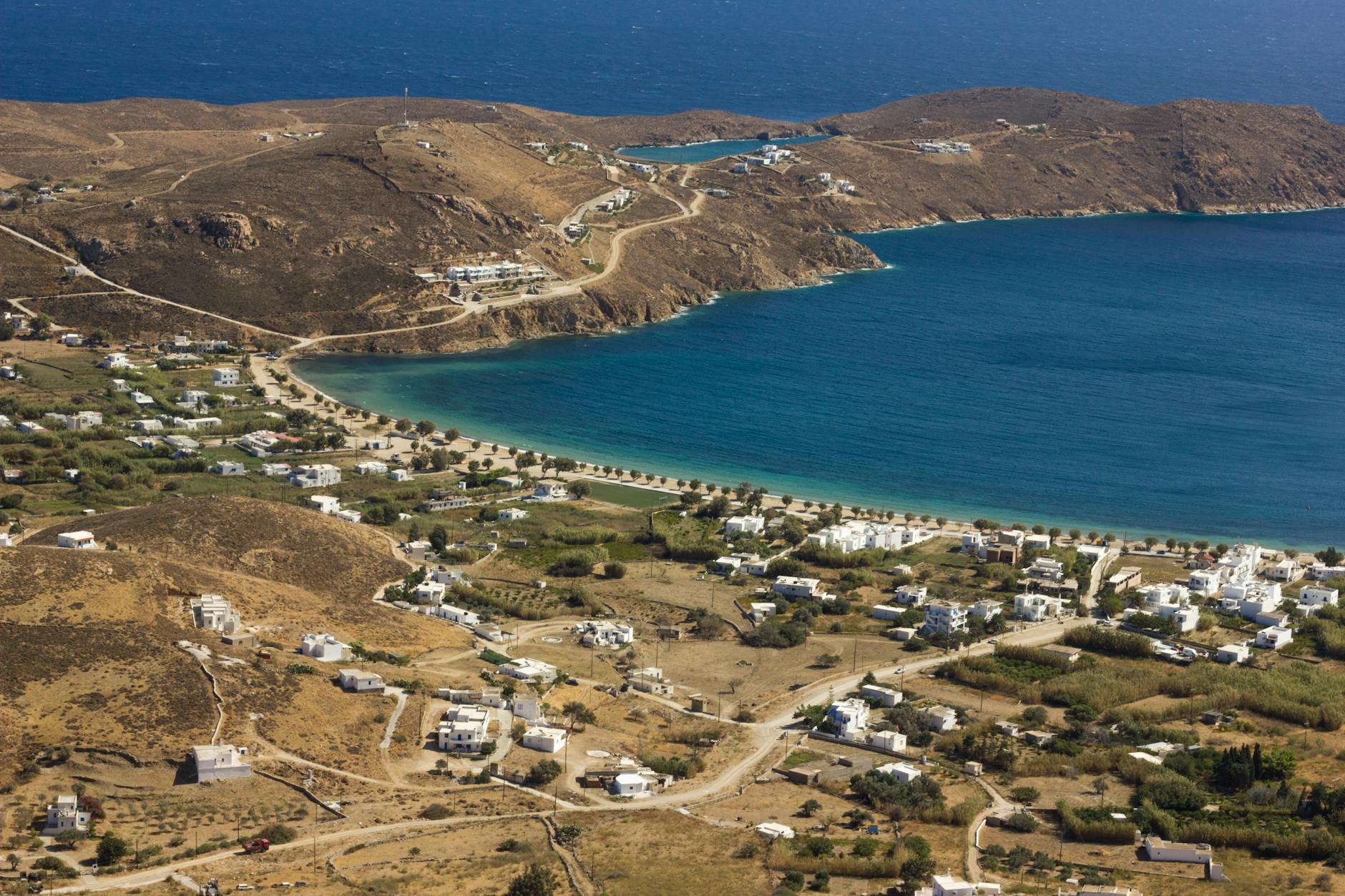
Kerry Needham brought her toddler son Ben to Kos in 1991 to help her parents, Eddie and Christine, renovate a farmhouse they’d purchased in the village of Iraklis. The property sat on a remote hillside, surrounded by olive groves and dirt roads rarely traveled by tourists. On the afternoon of July 24, Christine was watching Ben while Eddie worked on the farmhouse with a local construction crew.
Ben was playing near the front of the property. Christine stepped inside briefly. When she came back out, he was gone.
The timeline was impossibly tight. Witnesses later placed the window of his disappearance somewhere between 2:30 and 2:45 p.m. Twenty-one minutes, maybe less. In that fragment of time, a blonde-haired British toddler wearing a white t-shirt and shorts simply ceased to exist.
The immediate search
Local police were notified within the hour. Volunteers from the village combed the hillside, checked wells, searched abandoned buildings. The terrain was unforgiving. Steep drops, dense brush, open cisterns. A child could fall, get lost, or wander into danger in seconds.
But there was no body. No clothing. No sign of a struggle or accident. Within 48 hours, Greek authorities began considering the possibility that Ben had been abducted. The island had a transient population during summer. Ferries came and went. Tourists cycled through. If someone had taken him, they could have been off Kos before anyone realized what happened.
Kerry Needham refused to leave Greece. She stayed on Kos for months, distributing flyers, speaking to anyone who might have seen something. The case drew international attention. Photos of Ben’s face appeared in British newspapers. The family issued appeals on television.
Nothing came back.
Sightings that went nowhere
In the years following the Ben Needham disappearance, dozens of reported sightings surfaced across Greece and beyond. A boy matching his description was allegedly seen with a couple in northern Greece. Another report placed him with a Romani family. None of the leads produced credible evidence.
Greek police faced criticism for their handling of the initial investigation. The farmhouse site was not secured as a potential crime scene. Witnesses were not systematically interviewed. There was no coordinated search effort in the critical first 72 hours. By the time British authorities became involved, the trail had gone cold.
In 2012, South Yorkshire Police took over the investigation at the request of the Needham family. Detectives traveled to Kos and began re-examining every piece of evidence, every witness statement, every theory that had emerged over two decades.
The excavation theory
In 2012, investigators received new information that shifted the focus of the case entirely. A witness came forward claiming that a digger driver named Konstantinos Barkas, who had been working at the farmhouse site the day Ben disappeared, may have accidentally struck and killed the toddler with his excavator, then buried the body to cover it up.
Barkas had died in 2015, but the lead was specific enough to warrant action. In September 2016, British police launched a major excavation operation near the farmhouse. They brought in ground-penetrating radar, forensic archaeologists, and search dogs. For weeks, they dug through tons of soil, sifting for bone fragments, fabric, anything that might confirm Ben’s fate.
They found a small toy car similar to one Ben had been playing with the day he vanished. But there were no human remains. No definitive evidence linking Barkas to the disappearance. The excavation closed without answers.
Detective Inspector Jon Cousins, who led the 2016 investigation, told the media he believed Ben had died in a tragic accident near the farmhouse and that his body had likely been buried or disposed of in the immediate aftermath. But belief is not proof. The case officially remains open and unsolved.
A mother still searching
Kerry Needham has never accepted the theory that her son is dead. She continues to believe Ben was abducted and could still be alive, possibly raised by another family with no knowledge of his true identity. She has pushed for age-progressed images of Ben, showing what he might look like as a teenager, as a young man, now in his thirties.
She has criticized Greek authorities repeatedly for what she views as investigative failures. In interviews, she has described feeling abandoned by a system that did not prioritize her son’s case with the same urgency as high-profile disappearances in the UK. She remains vocal, relentless, unwilling to let Ben’s story fade.
DNA samples from the Needham family remain on file with British and Greek authorities. If human remains are ever discovered, or if someone comes forward with new information, there is a mechanism in place to confirm identity. But as the years stretch on, the likelihood of resolution grows thinner.
What the case still lacks
There is no clear evidence of abduction. No ransom demand was ever made. No credible witness ever reported seeing Ben being taken or led away from the farmhouse. The sightings that followed his disappearance were geographically scattered, inconsistent, and none were verified through forensic or investigative follow-up.
There is no confirmed evidence of an accident. The excavation in 2016 turned up no remains. Barkas, the alleged digger driver, never confessed or implicated himself before his death. The theory relies entirely on secondhand testimony and circumstantial suspicion.
There is no crime scene. The farmhouse was not treated as one in 1991. Any physical evidence that might have existed was disturbed, degraded, or lost in the days and weeks after Ben disappeared. The ground has been dug up, built over, and altered in the decades since.
What remains is a 21-minute void. A toddler who existed at 2:30 p.m. on a summer afternoon and did not exist at 2:51 p.m. Everything else is theory, speculation, and grief.
The unresolved question
More than 30 years have passed since Ben Needham disappeared. The farmhouse still stands. The village of Iraklis remains quiet and remote. Kos continues to draw tourists who have never heard his name.
In the UK, his case is often compared to that of Madeleine McCann, another British child who vanished abroad under circumstances that have never been fully explained. But while McCann’s case has remained in the media spotlight for years, Ben’s story has been quieter, less politically charged, harder to keep in the public eye.
Kerry Needham continues to mark every birthday, every anniversary. She has said publicly that she will never stop searching. Not until there is proof. Not until there is a body, or a confession, or a reunion she still believes is possible.
Greek authorities have not declared the case closed. British police maintain it is a live investigation. But there are no active searches. No new excavations planned. No fresh leads being pursued.
Somewhere on Kos, or somewhere far from it, the answer to what happened to Ben Needham still exists. It just hasn’t been found yet.
Where to dive deeper
- Documentary: “What Happened to Ben?” (BBC)
- Documentary: “The Investigator: A British Crime Story” (Investigation Discovery)
- Podcast: “The Disappearance of Ben Needham” (“Casefile True Crime”, Casefile Presents)