

Case snapshot
Three-year-old Jaryd Atadero disappeared on October 2, 1999, while hiking with a Christian singles group on the Big South Trail in Colorado’s Roosevelt National Forest. Within minutes of being seen running ahead on the path, the boy was gone. Despite one of the largest search efforts in Colorado history, no sign of Jaryd surfaced for nearly four years, and what searchers eventually found only deepened the mystery.
The hike that changed everything
Jaryd Atadero lived in Littleton, Colorado, with his father Allyn and older sister Josallyn. On that October morning, Allyn dropped both children off with members of a local Christian singles group planning a day hike near Poudre Canyon. The group included approximately eleven adults and a handful of children. Jaryd’s sister stayed at the lodge. The toddler joined the hike.
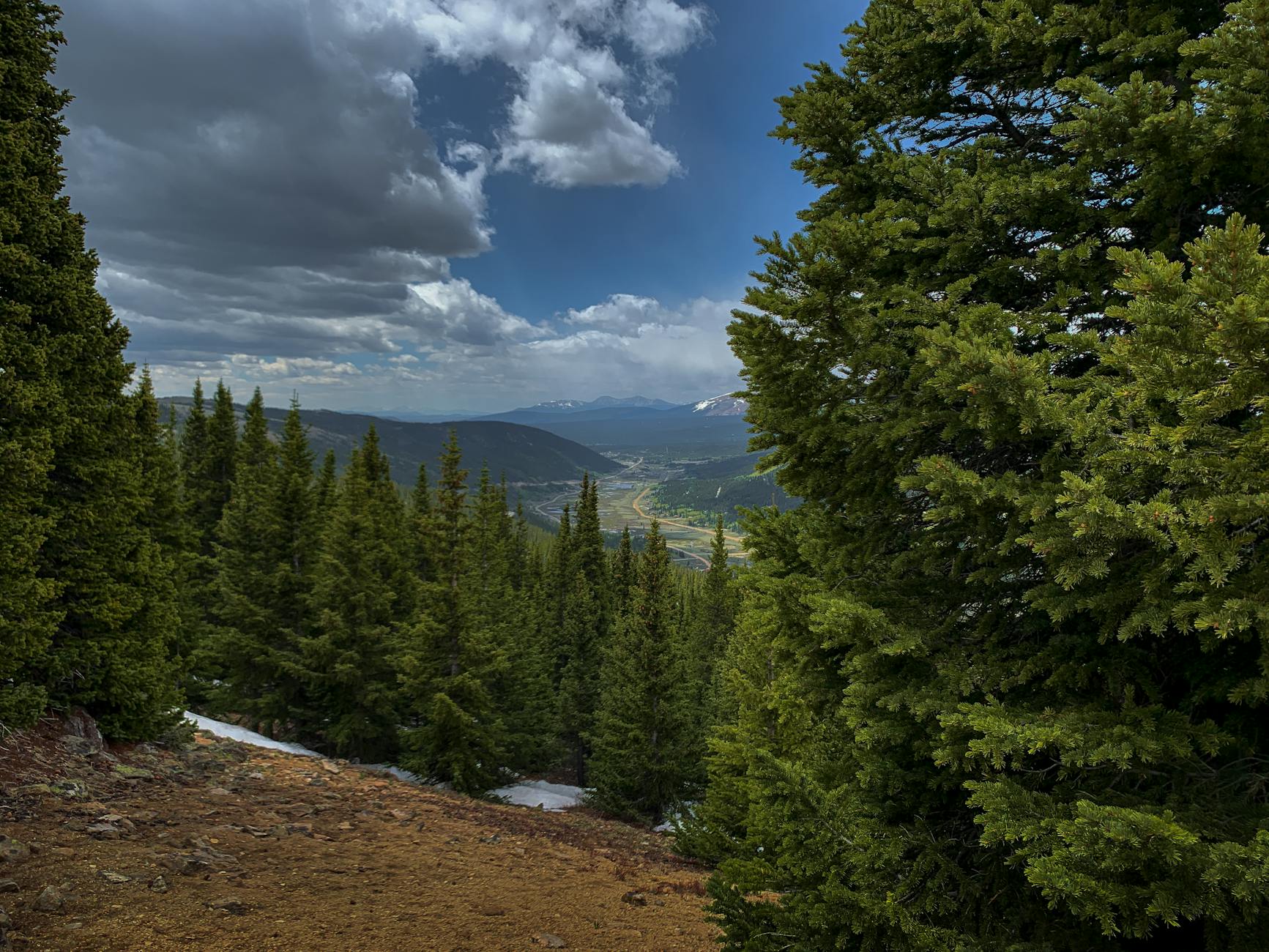
The Big South Trail wound through dense forest at an elevation where aspens had turned gold and the air carried the bite of early autumn. Witnesses recalled Jaryd wearing a gray fleece jacket, jeans, and white tennis shoes. He walked ahead of the group at times, but adults could still see him on the trail.
Around midday, hikers watched Jaryd run ahead with two other children. When those children returned moments later, Jaryd was not with them. They said he had continued up the path. Adults called his name. No answer came back.
The group split up to search the immediate area. Within minutes, panic set in. Jaryd had vanished.
The search begins
Larimer County Search and Rescue mobilized that afternoon. Volunteers, deputies, and trackers combed the trail and surrounding forest. Helicopters swept overhead. Search dogs followed scent trails that ended abruptly in certain areas, offering no clear direction.
Temperatures dropped overnight. Searchers knew a small child would not survive long in the cold without shelter. The search expanded to cover miles of rugged terrain, including steep ravines, creek beds, and thick underbrush. Days passed. Weeks followed. Jaryd remained missing.
Allyn Atadero arrived at the search site and stayed. He camped near the trailhead, coordinating with authorities and volunteers. He handed out flyers. He spoke to reporters. He refused to believe his son had simply wandered off and succumbed to exposure.
The official search eventually scaled back, but Allyn continued to return to the area, walking the trails, calling Jaryd’s name into the silence.
The discovery that solved nothing
On June 4, 2003, nearly four years after Jaryd disappeared, hikers found a child’s shoe along the Big South Trail, roughly 550 feet above the point where the boy was last seen. The shoe was a white tennis shoe, weathered but identifiable. Allyn confirmed it belonged to Jaryd.
Searchers returned to the area and recovered more items over the following days: a second shoe, a fleece jacket, a partial skull, teeth, and scattered bone fragments. Forensic analysis confirmed the remains were Jaryd’s. His clothing lay relatively intact, inconsistent with years of exposure to the elements and wildlife activity.
Investigators found no evidence of foul play, but the condition and location of the remains raised questions. Some items were spread over a wide area. Others appeared deliberately placed. Wildlife experts suggested a mountain lion could have been responsible, though the pattern did not fit typical predator behavior. No claw marks or bite damage appeared on the clothing.
Allyn rejected the mountain lion theory. He pointed to inconsistencies in the scene, the lack of blood evidence, and the way the items were positioned. He believed someone had been involved in Jaryd’s disappearance.
Theories that refuse to settle
Larimer County authorities concluded that Jaryd likely wandered off the trail, became lost, and either fell or was attacked by an animal. The remote location and treacherous terrain made it plausible that a small child could disappear quickly.
Allyn and others close to the case disputed that explanation. They noted that searchers had covered the area where the remains were found multiple times in the initial weeks after Jaryd went missing. How could trained search teams, cadaver dogs, and helicopters miss a body so close to the trail?
Some investigators theorized that a mountain lion could have moved the remains over time, dragging them uphill or relocating them after the initial search. Mountain lions are known to cache kills, but the lack of typical predation signs complicated that theory.
Another possibility involved human involvement. Allyn suggested that someone in the hiking group or a stranger on the trail could have taken Jaryd. He questioned why no one saw the boy after he ran ahead and why no screams or signs of struggle were heard. The timeline between the last sighting and the moment adults realized he was gone remained unclear, measured in minutes rather than documented intervals.
No arrests were made. No suspects were named. The case was never classified as a homicide.
What the timeline reveals
The compressed timeline complicates every theory. Jaryd was seen running ahead on the trail. Within minutes, adults noticed he was missing. The trail did not offer many opportunities to veer off unnoticed. Thick forest bordered the path, but a child Jaryd’s size would have made noise moving through underbrush.
Search dogs picked up Jaryd’s scent in multiple directions, including areas off the trail, but the scent trails stopped without leading anywhere. Some handlers suggested the scent pattern indicated Jaryd had been carried or moved, though that interpretation remains disputed.
The gap between his last confirmed sighting and the alarm being raised was short, yet it was enough for a child to disappear completely. Whether he walked, ran, was taken, or encountered an animal in those brief minutes remains unanswered.
A father’s fight for answers
Allyn Atadero spent years challenging the official conclusions. He filed requests for case files, questioned investigative decisions, and continued to search the area on his own. He maintained that the evidence pointed to something other than a simple lost child scenario.
He also criticized the Christian singles group for not keeping closer watch on Jaryd. In his view, the adults failed to supervise the children properly, allowing a toddler to run ahead unsupervised on a trail with hazards and wildlife.
Allyn passed away in 2014, never receiving the answers he sought. Josallyn, Jaryd’s sister, has continued to speak publicly about her brother’s case, echoing her father’s belief that the full story has not been told.
The trail that went cold
No new evidence has surfaced since 2003. The case remains open but inactive. Larimer County authorities have not changed their position that Jaryd’s death was likely accidental, possibly involving a mountain lion.
The Big South Trail still sees hikers. Some stop near the area where Jaryd’s remains were found, aware of the tragedy that unfolded there. Memorials have appeared and disappeared over the years. The forest holds no answers, only the silence that followed a child’s last steps.
What happened in those minutes when Jaryd ran ahead? How did he vanish so completely that trained searchers found nothing for nearly four years? Why were his remains discovered in a location that had been searched repeatedly?
The timeline offers no clarity. The evidence offers no resolution. Jaryd Atadero’s disappearance remains a case defined by what was never found, never heard, and never explained.
Where to dive deeper
- Podcast: “The Curious Case of Jaryd Atadero” (“Going West: True Crime”, audiochuck)
- Podcast: “Jaryd Atadero” (“Trace Evidence”, Steven Pacheco)
- Documentary: “Missing on the Mountain” (Investigation Discovery)