


Case snapshot
On July 1, 1874, four-year-old Christian K. Ross was lured into a buggy on a Philadelphia street and disappeared, setting off the first ransom kidnapping for money in American history. Two men had spent days grooming the boy and his brother with candy and rides before taking Charley and abandoning his older sibling miles away. The case ended in a burglar’s death and a century of unconfirmed sightings, but Charley Ross was never found.
The setup
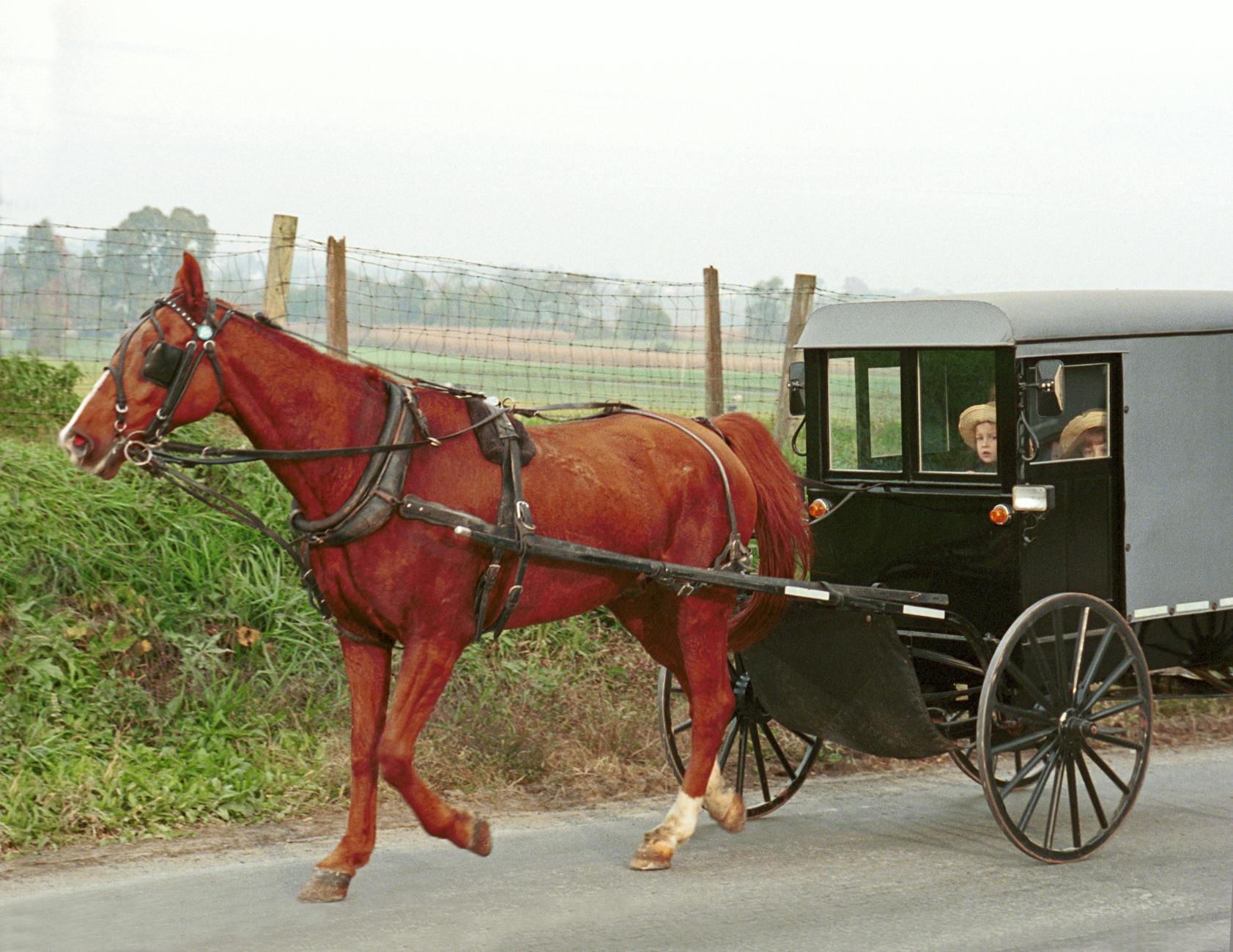
Charley Ross lived with his family in Germantown, a quiet Philadelphia neighborhood. His father, Christian K. Ross, ran a successful grocery business. The summer of 1874 started like any other until two men in a horse-drawn buggy began showing up on the street where Charley and his older brother Walter played.
The men were patient. They handed out candy and firecrackers. They offered short rides around the block. Over several days, they became familiar faces. The boys saw no reason to be afraid.
On the afternoon of July 1, the men came back with a new offer. They invited both boys for a longer ride and promised to buy fireworks. Walter and Charley climbed in.
The disappearance
The men drove through Philadelphia and out into the countryside. When they finally stopped in a busy commercial district, they handed Walter a quarter and told him to go inside a store and buy fireworks.
Walter went in. When he came back out, the buggy was gone. So was Charley.
Walter stood alone, miles from home, with no idea where his brother had been taken. Strangers helped him find his way back to Germantown. When he told his parents what happened, they understood immediately. Charley hadn’t wandered off. He’d been taken.
The ransom demand
Three days later, the first ransom letter arrived. It was rambling and strangely written, filled with odd phrasing and veiled threats. The kidnappers demanded $20,000. They warned Christian Ross not to contact police. They said they were watching.
Ross went to the authorities anyway. He also hired private detectives. The story exploded. Newspapers across the country picked it up. Charley’s face appeared on flyers in cities and towns from coast to coast. It was the first missing child case to receive mass media attention in the United States.
More letters came. Twenty-three in total. The kidnappers kept changing drop locations, issuing contradictory instructions, growing more unstable with each note. Ross tried to negotiate. He offered to pay less. He begged for proof his son was alive. They never gave it.
The investigation
Walter gave police everything he could remember. The men’s faces. The buggy. The route they’d taken. Detectives went door to door. Tips flooded in from across the region.
One name surfaced again and again: William Mosher, a career criminal known for using horses and buggies in burglaries. His partner, Joseph Douglas, fit the description Walter had given. But investigators had no physical evidence tying either man to the kidnapping, and both had vanished.
Christian Ross poured his savings into the search. He published a book to keep Charley’s story alive. Hundreds of letters arrived claiming knowledge of the boy’s whereabouts. Not one led anywhere.
The break
On the night of December 14, 1874, five months after Charley disappeared, two men broke into a home in Bay Ridge, Brooklyn. The homeowner’s brother was inside. He confronted them. Gunfire erupted.
One burglar died at the scene. The other was shot and critically wounded. The dead man was William Mosher. The dying man was Joseph Douglas.
Police questioned Douglas in the hospital. According to reports, he confessed that he and Mosher had kidnapped Charley Ross. But when pressed for the boy’s location, Douglas said only Mosher had known. Then he died.
Investigators tore through everything connected to the two men. They found nothing. Mosher’s wife denied any knowledge. The boy’s location died with them.
The aftermath
Christian Ross refused to give up. For years, he chased leads across state lines and international borders. Sightings came in constantly. People brought forward boys they swore were Charley. Families, strangers, and con artists all claimed to have answers.
None of them did.
In 1878, a man named William Westervelt, Mosher’s brother-in-law, was convicted of conspiracy in the kidnapping. He served seven years but never said what happened to the boy. He insisted he didn’t know.
Charley Ross was eventually declared dead. But the case never faded. It became the story parents told their children to teach them caution. The warning “Don’t take candy from strangers” traces its roots to this abduction.
The case also reshaped law enforcement. It exposed gaps in how authorities handled missing children and laid early groundwork for coordinated response systems.
The legacy
For the next hundred years, men came forward claiming to be Charley Ross. Some believed it. Others were looking for money or attention. In 1934, a man named Gustave Blair said he was Charley and that the kidnappers had raised him. His story collapsed under investigation.
In 1939, an elderly man in Phoenix claimed he remembered being taken as a child in Philadelphia. He died before anyone could verify it.
Modern researchers have tried using genealogical tools and historical records to solve the case. Nothing has surfaced to explain what Mosher and Douglas did with Charley after they took him.
Some believe the boy was killed soon after the kidnapping when the ransom plan failed. Others think he was sold or handed off to another family and raised under a new identity. Without a body, a confession, or documentation, the answer remains lost.
Charley Ross became the first child in America whose image was mass-distributed on missing posters. His disappearance set the template for every system used today, from Amber Alerts to age-progression photos to nationwide awareness campaigns. He was four years old when he vanished. More than 150 years later, he still hasn’t been found.
Where to dive deeper
- Book: “We Is Got Him: The Kidnapping That Changed America” by Carrie Hagen
- Podcast: “The First Kidnapping for Ransom in America” (“Criminal”, Radiotopia)