


Case snapshot
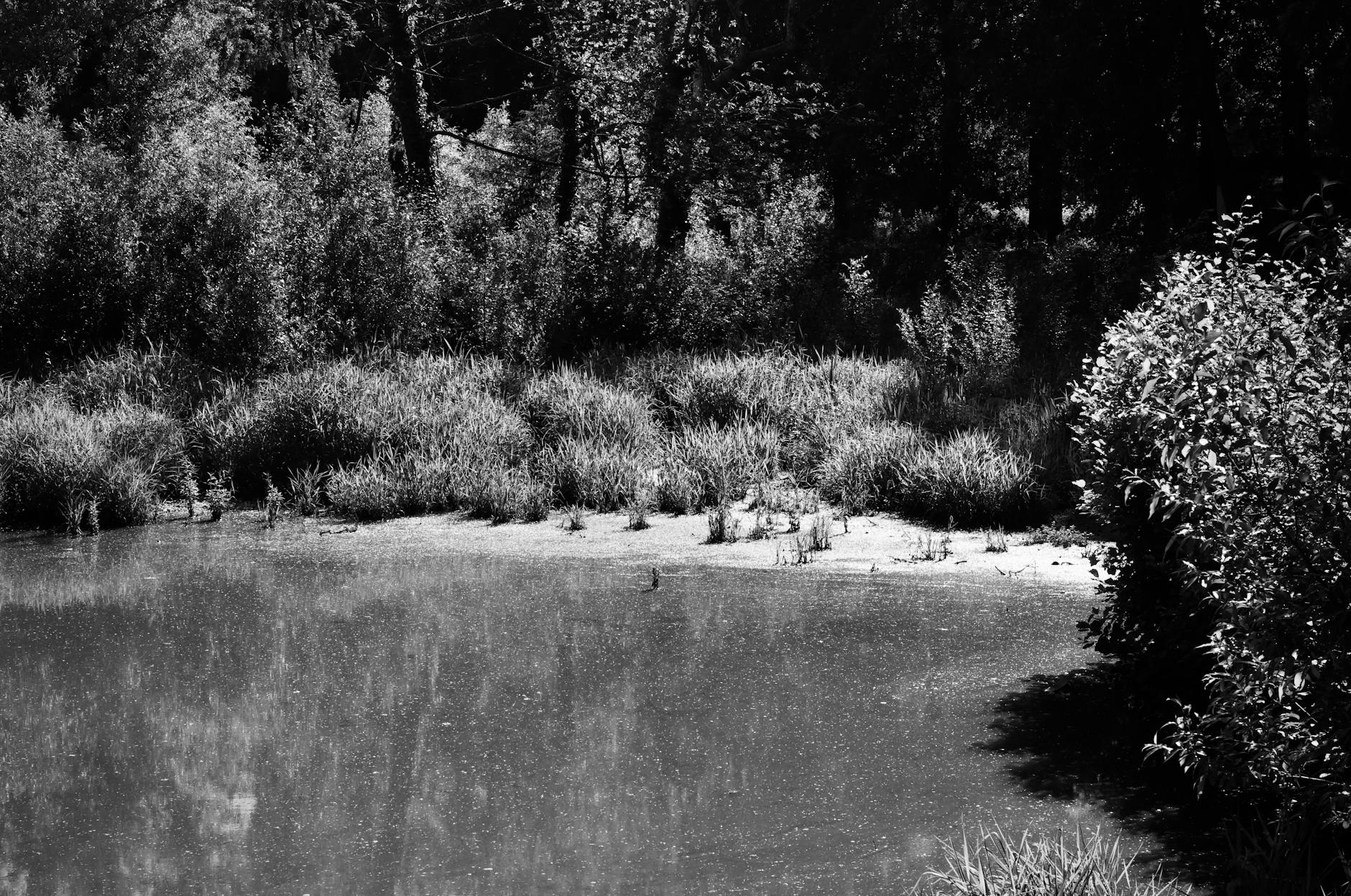
On July 11, 1908, farmhands found Hazel Drew floating face-down in Teal’s Pond near Sand Lake, New York. She had been missing for four days. The investigation that followed became a media spectacle, but no one was ever charged with her murder.
The discovery
Hazel Irene Drew was 20 years old when her body was pulled from the shallow water of a remote pond in Rensselaer County. She was still wearing a dark skirt and white shirtwaist. Her hat floated nearby. There were no immediate signs of struggle, but bruises on her head and body suggested violence before she entered the water.
Local newspapers seized on the case immediately. The victim was young, attractive, and employed as a domestic servant in Troy. She had told her employer she was taking a brief trip to visit family. She never arrived.
The victim
Hazel Drew worked for the Cary family, a well-to-do household in Troy. By all accounts, she was competent, reserved, and kept her personal life private. She had grown up in Sand Lake, the daughter of a laborer. Domestic work offered modest independence and a small income.
In the days before her death, Hazel had received letters. Witnesses later claimed she seemed anxious or distracted. She left Troy on the afternoon of July 7, telling her employer she would return in a few days. She was seen boarding a trolley toward Sand Lake. After that, her movements became harder to trace.
The investigation begins
Authorities quickly ruled out accidental drowning. The bruising on her body, combined with the secluded location of the pond, pointed to foul play. An autopsy revealed no water in her lungs, meaning she had likely been dead or unconscious before entering the water.
Investigators canvassed the area. Several witnesses came forward with conflicting stories. A farmhand claimed he saw Hazel walking near the pond with a man on the evening of July 7. Another witness reported seeing her in a different part of town. A third said she had boarded a carriage with two men.
The timeline fractured. No single account could be confirmed. The investigation became a tangle of hearsay, innuendo, and dead ends.
Suspects and theories
Authorities questioned multiple men, including a local farmer, a Troy businessman, and a man Hazel had reportedly been seen with in the weeks before her death. None were charged. Some were never publicly named.
One theory centered on a romantic entanglement. Hazel had been seen in the company of men on several occasions, leading to speculation that jealousy or a secret relationship had turned deadly. Another theory suggested robbery, though nothing of value was missing from her person.
A third possibility involved unwanted pregnancy, a common motive in cases involving young women at the time. No evidence confirmed this, but the rumor persisted in local gossip and press coverage.
The district attorney convened a grand jury. Witnesses testified. Evidence was presented. No indictment followed.
The press takes over
The Hazel Drew murder became a sensation in the New York press. Papers in Troy, Albany, and beyond ran daily updates, often filled with speculation and thinly sourced allegations. The coverage was lurid, sensational, and unrelenting.
Reporters descended on Sand Lake. They interviewed neighbors, former employers, and anyone who claimed to know Hazel. The coverage painted her variously as an innocent victim, a woman of loose morals, or a tragic figure caught in circumstances beyond her control.
Public fascination only grew as the investigation stalled. The case became a kind of regional ghost story, whispered about in parlors and debated in barbershops. Hazel Drew was no longer just a murder victim. She became a symbol of unsolved mystery.
Theories that refuse to die
Over the decades, amateur sleuths and historians revisited the case. Some pointed to the Cary family, suggesting a cover-up to protect someone of social standing. Others focused on a mysterious stranger seen in the area around the time of Hazel’s death.
One persistent theory involved a man named Frank Crape, a local figure who had been questioned and released. Years later, some claimed he had confessed on his deathbed, though no verifiable record of such a confession exists.
Another theory linked Hazel’s death to organized crime or political corruption in Troy, a city known at the time for vice and influence peddling. No concrete evidence supported this, but the city’s reputation lent the theory a certain plausibility.
Why the case still matters
The Hazel Drew murder became a template for how sensational crimes were covered in the early 20th century. The press, unburdened by modern ethical standards, turned a local tragedy into a sprawling narrative that blurred fact and fiction.
The case also highlighted the limitations of early forensic science. Investigators had few tools beyond witness testimony and circumstantial evidence. Without fingerprints, DNA, or reliable autopsy techniques, solving the case was nearly impossible.
But perhaps the most enduring aspect is its refusal to fade. More than a century later, Hazel Drew’s name still appears in local histories, true crime forums, and academic studies of unsolved murders. She remains frozen in time, a young woman whose death was never explained.
Cultural echoes
Some researchers have noted similarities between the Hazel Drew case and the fictional murder at the center of the television series “Twin Peaks.” Creator David Lynch spent summers near Sand Lake as a child, and the case was still a topic of local lore during that time. Lynch has never confirmed a direct connection, but the parallels are striking: a young woman found dead in water, a small town gripped by rumor, and an investigation that spirals into ambiguity.
Whether or not the case inspired Lynch, it has inspired countless others. Local historians continue to comb through archived newspapers and court records, hoping to uncover a detail that might finally close the case.
What remains
Hazel Drew is buried in Taborton Cemetery, not far from the pond where she was found. Her gravestone is simple, marked only with her name and the years of her short life. Visitors still leave flowers.
The case file, such as it exists, is incomplete. Key documents were lost or destroyed over the years. What survives are newspaper clippings, fragmented witness statements, and a coroner’s report that raises more questions than it answers.
No suspect was ever tried. No motive was ever proven. The Hazel Drew murder remains unsolved, a historical cold case that refuses to grow cold.
Where to dive deeper
- Book: “The Unsolved Murder of Hazel Drew: The Killing That Inspired ‘Twin Peaks'” by J. Patrick Barrett
- Podcast: “The Mystery of Hazel Drew” (“Dark Histories”, Benjamin Cutmore)