

By November 1984, detectives around Tampa Bay were hunting a serial killer they could not name, but they knew his work. Women were turning up strangled or beaten near rural roads, dusted with the same red synthetic carpet fibers. The one thing missing from the pattern was a living witness.
TLDR
In 1984, Tampa serial killer Bobby Joe Long was finally stopped after 17-year-old survivor Lisa McVey escaped his captivity and turned her trauma into evidence.
Behind the scenes was Bobby Joe Long, a convicted rapist whose shift to killing had left at least ten women abducted, sexually assaulted, and murdered across the Tampa Bay region. Victims vanished from streets and parking lots, then reappeared days later, discarded in isolated spots. The fibers hinted at a car interior, and the geography suggested a driver who knew the area and moved fast.
Abduction That Changed the Pattern
On November 3rd, 1984, 17-year-old Lisa McVey left her late shift at a doughnut shop and pedaled her bicycle through north Tampa. A car cut in front of her, a man stepped out with a gun, and she was shoved into a dark Dodge Magnum. Blindfolded, bound, and shoved low on the seat, she focused on what she could still sense: the glow of a Magnum badge on the dashboard, the feel of the upholstery, the turns and stops on the way to an unknown apartment.

Inside that apartment, over roughly 26 hours, Long raped, threatened, and controlled her. McVey quietly tried to leave a trail. During bathroom breaks, she pressed her fingertips onto hard surfaces. She counted each stair up to his unit, listened for nearby traffic and distant trains, and noted the layout of the rooms. She spoke to him in a calm, almost sympathetic tone, telling him she cared for a sick father and offering to be his secret girlfriend if he let her live.
Turning Survival Into Evidence
Long eventually drove her out again, still blindfolded, and let her go near a church not far from home. When McVey reported the abduction, initial doubt met the precision of her story. She described the Dodge Magnum, the glowing emblem, the stair count, and mentioned that he had stopped at an automated teller machine late in the night, fixing a rough window in time.
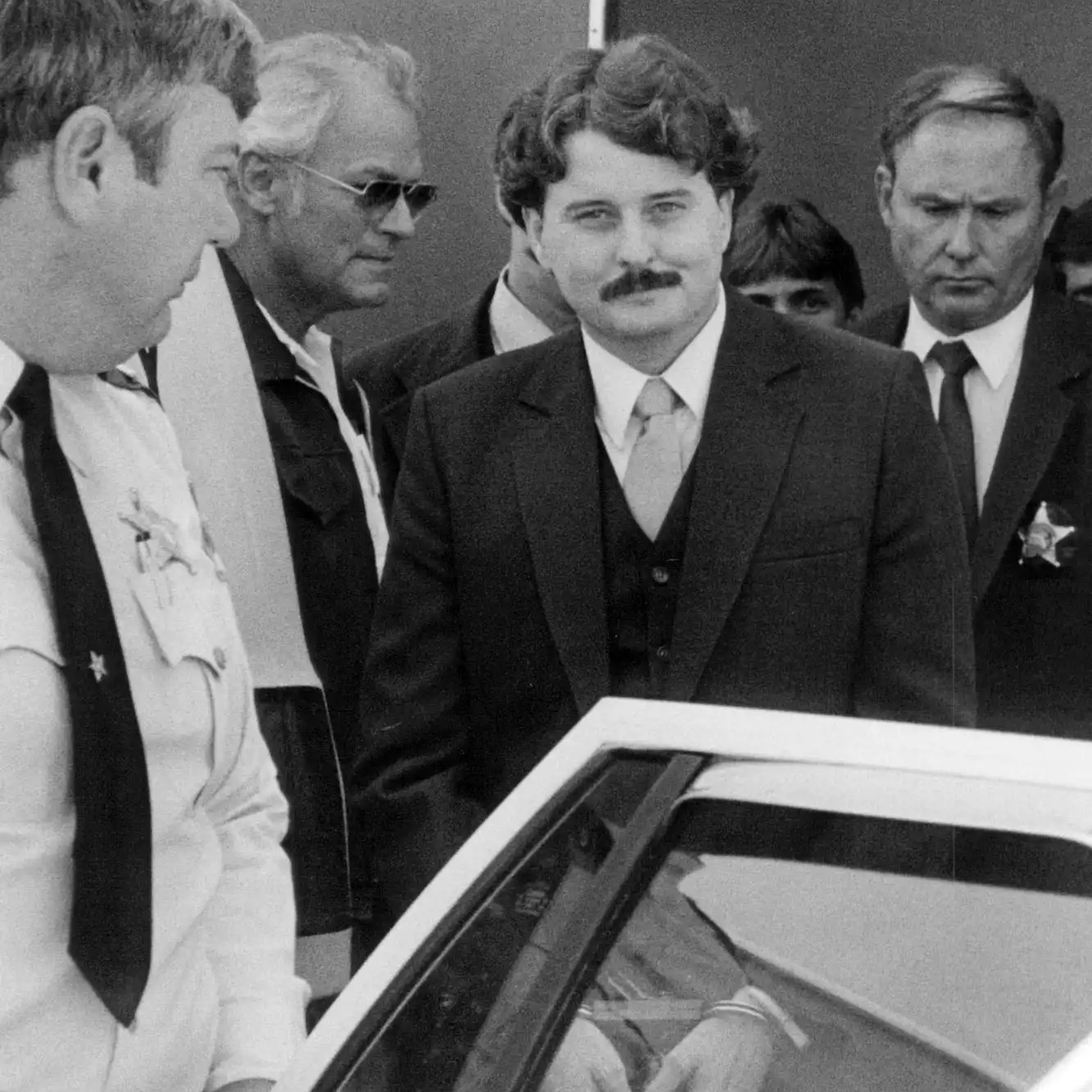
A forensic analysis identified red fibers on McVey’s clothing that matched fibers recovered from several homicide victims. Records show investigators pulled registration lists for Dodge Magnums, then cross-checked those names against bank activity that fit McVey’s ATM timeline. One name surfaced with a history of violent sexual assaults: Bobby Joe Long. Surveillance footage shows Long driving a dark Magnum in the same corridors where women had disappeared. On November 16th, 1984, officers moved in and arrested him.
From Death Sentence To Front Row
DNA testing linked Long and his car to multiple victims, and trial testimony established that he confessed to a string of rapes and killings. A jury found him guilty of the murder of 22-year-old Michelle Simms, and a judge ruled that he would die for that crime. He received additional life sentences for other murders, as well as for kidnapping and raping McVey.
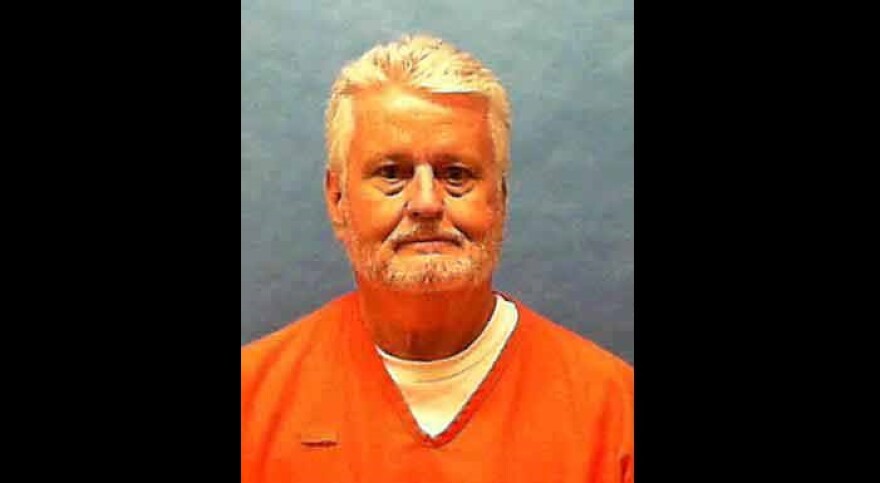
Long spent decades on Florida’s death row while appeals challenged his conviction and sentence. A prior ruling stated that the death sentence would stand, and on May 23rd, 2019, he was executed by lethal injection at Florida State Prison. In the front row sat McVey, by then a deputy with the Hillsborough County Sheriff’s Office, watching the man whose spree her memory had helped end. Two women were killed in the days before Long’s arrest, a reminder that the window was closing fast. Without a teenager who treated captivity as a crime scene, the red fibers and roadside bodies might have remained a mystery far longer.